Leave Your Message

How to Choose the Right Thermal Roll Printer for Your Business Needs?

Choosing the right Thermal Roll Printer for your business is vital. A wrong choice can lead to inefficiencies and wasted resources. This decision requires thoughtful consideration of your specific needs.

Thermal Roll Printers vary in features, size, and functionality. Some are designed for high-volume printing, while others cater to small-scale operations. Identifying your printing volume and requirements is essential. You may find that a more compact model suits your space, but it might not handle your output needs.

The reputation of a printer brand matters, too. Industry expertise often guides you towards reliable models. Reading user reviews and expert opinions can provide insight into performance. However, remember that what works for one business may not fit another's unique requirements. Thus, be critical and reflect on your own situation. This approach will help you make a well-informed choice.

How to Choose the Right Thermal Roll Printer for Your Business Needs?

Understanding Thermal Roll Printers and Their Functionality

How to Choose the Right Thermal Roll Printer for Your Business Needs?

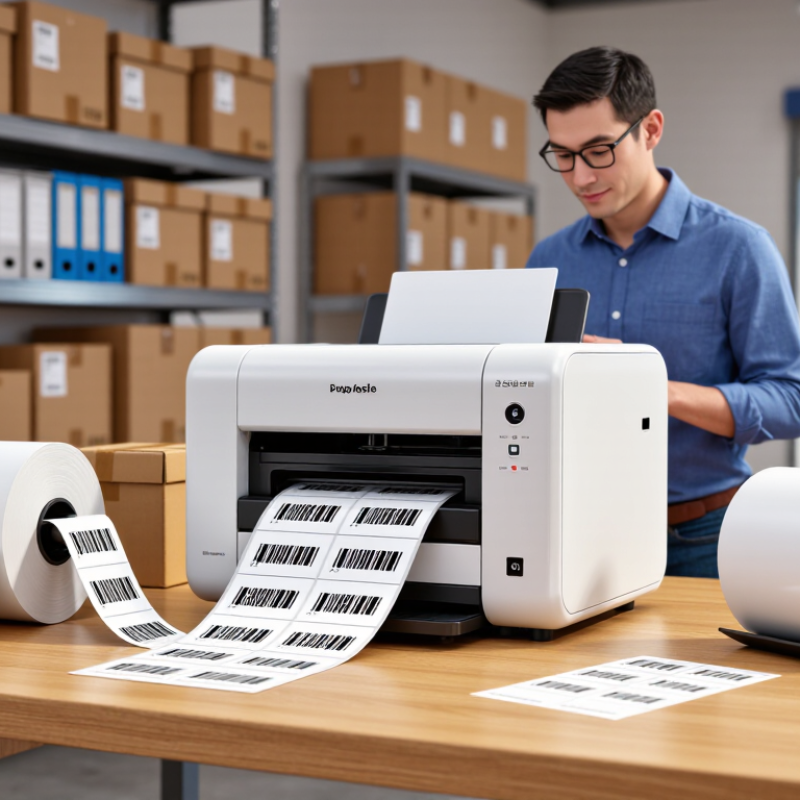
Thermal roll printers are essential for many businesses. They utilize heat to print directly onto special thermal paper. This technology ensures fast and quiet printing. Businesses often rely on these devices for receipts, labels, and tickets.

Understanding the functionality of thermal roll printers is crucial. They come in two types: direct thermal and thermal transfer. Direct thermal printers use heat-sensitive paper, making them suitable for short-term applications. However, images can fade over time. Thermal transfer printers, on the other hand, employ ribbons to produce durable prints. These prints last longer and are ideal for labeling products.

Choosing the right printer involves assessing your specific needs. Consider the volume of printing and the required print quality. Not every printer suits every business. Reflect on how often you will use it and the types of materials you'll print on. Analyzing these factors will guide you to make a better decision. It’s important to remember that cost shouldn’t be the only factor. Long-term reliability and print clarity are equally significant.

Identifying Your Business Requirements for a Thermal Printer

How to Choose the Right Thermal Roll Printer for Your Business Needs?

When choosing a thermal roll printer, understanding your business’s specific needs is essential. Different industries have unique requirements. For example, retail may prioritize speed and compact design. In contrast, logistics might need durability and high-volume capabilities. According to a recent industry report, 40% of businesses cite printing speed as the most critical factor in their selection.

Consider the volume of printing required. High-demand environments, like supermarkets, might need printers that handle thousands of receipts daily. On the other hand, smaller businesses can opt for less robust models. Furthermore, evaluate connectivity features. A printer with wireless options can streamline operations. In a study, 35% of companies highlighted connectivity as a key factor for efficiency.

Reflecting on these elements can enhance your decision-making. Know that there is no one-size-fits-all solution. A printer that suits one business may underperform for another. Assessing aspects like print quality and cost-efficiency is necessary. Making informed choices today can lead to better long-term outcomes for your business.

Comparing Different Types of Thermal Roll Printers

When selecting a thermal roll printer, understanding the different types available is crucial. There are direct thermal printers and thermal transfer printers. Direct thermal printers use heat-sensitive paper. They are ideal for short-term labels, like shipping tags. However, the prints can fade over time. If durability is key, thermal transfer printers are a better option. They use a ribbon to transfer ink, creating long-lasting labels that resist fading.

Another critical aspect is printing speed. Faster printers save time during high-demand periods. If your business experiences heavy workloads, investing in a high-speed model might be worth it. On the downside, high-speed printers can be more costly. Their maintenance might also require more attention, leading to potential additional expenses. Consider the type of print applications you need. This decision influences both efficiency and cost-effectiveness.

Finally, connectivity options matter too. Many businesses prefer models that support wireless printing. However, some printers lack this feature. This can limit flexibility in workspaces. Always assess which connectivity options best suit your operational environment. Balancing these factors will lead to a more informed decision on the right thermal roll printer.

Key Features to Consider When Choosing a Thermal Printer

When selecting a thermal roll printer, consider your specific business needs. Different models come with various features. Print speed is crucial. A fast printer helps maintain productivity. If you handle high volumes, look for printers that can output several inches per second. However, some models may sacrifice quality for speed. Always find a balance that suits your workflow.

Print resolution matters too. A higher resolution delivers clearer images and barcodes. If your business relies on precise labeling, choose a printer with at least 300 dpi. Yet, high-resolution printers can be pricier. Think about your budget and the quality you require for labels.

Connectivity options should also be on your list. USB, Bluetooth, or network capability can enhance usability. Wireless connections can improve workflow in larger setups. However, not all businesses need advanced connectivity. Assess what fits your current operations. Choosing a thermal roll printer is not just about features; it’s also about matching these to your operational needs.

How to Choose the Right Thermal Roll Printer for Your Business Needs? - Key Features to Consider When Choosing a Thermal Printer

Feature Description Importance
Print Speed Measured in millimeters per second (mm/s), it indicates how fast the printer can produce receipts or labels. High speed is essential for busy environments, reducing wait times.
Print Resolution Measured in dots per inch (DPI), it affects the clarity and quality of printed images and text. A higher resolution is important for detailed graphics or barcodes.
Connectivity Options Includes USB, Ethernet, Bluetooth, and Wi-Fi options to connect with different systems. Versatile connectivity allows integration with various devices and systems.
Durability Refers to the build quality and how well the printer withstands daily use and environmental factors. Essential for long-term investment, reducing repair and replacement costs.
Paper Width Compatibility The range of paper widths the printer can handle for different printing needs. Flexibility to choose different paper sizes for various applications.
Automatic Cutter A feature that allows the printer to cut the paper automatically after printing. Increases efficiency in high-volume printing environments.
Cost of Consumables Includes the cost of thermal paper and other consumables needed for printing. Lower costs can significantly impact overall operational expenses.
User Interface Refers to how users interact with the printer, including controls and display. A user-friendly interface can reduce training time and improve productivity.

Evaluating Cost vs. Value in Thermal Printer Selection

Choosing the right thermal roll printer requires careful consideration of cost and value. Many businesses fall into the trap of focusing solely on the initial purchase price. While low-cost printers may seem appealing, they often lead to increased long-term expenses. Consider factors such as print quality, speed, and durability. A lower-quality printer might save money upfront but may require frequent replacements or repairs, adding to your overall costs.

Understanding your specific business needs is crucial. Evaluate how often the printer will be used and the type of materials it will handle. For example, a high-volume shipping operation may benefit from a more robust model, even if it costs more initially. Think about the total cost of ownership, including supplies like thermal rolls and maintenance services. What seems affordable at first glance might not align with your operational goals.

In the end, the balance between cost and value is subjective and depends heavily on your unique situation. Investing in a reliable printer that meets your requirements can enhance efficiency and productivity. Reflect on how your choice will impact your business over time. A thoughtful approach can lead to better decision-making. Your printer should support your growth, not hinder it.

Cost vs. Value in Thermal Printer Selection