What is a Thermal Receipt and Why is it Important for Businesses?
In today’s fast-paced business environment, the importance of a Thermal Receipt cannot be overstated. This type of receipt is not just a piece of paper; it is a crucial component of financial tracking and customer satisfaction. A Thermal Receipt is created using heat instead of ink, making it quick and efficient. It provides vital information about transactions, including date, time, and items purchased.
Businesses rely on Thermal Receipts for accurate record-keeping. They are essential for inventory management and accounting practices. However, the durability of Thermal Receipts can be a concern. Over time, these receipts can fade and become unreadable. This poses a potential issue for audits and customer returns. Businesses need to consider the implications of fading thermal print.
Moreover, not all Thermal Receipts are created equal. Some businesses may overlook the significance of quality in thermal printing. Investing in better thermal paper can improve legibility and longevity. Ultimately, a reliable Thermal Receipt can enhance the customer experience, fostering trust and repeat business. Understanding these elements can transform the perspective on what seems like a simple receipt.
What is a Thermal Receipt?
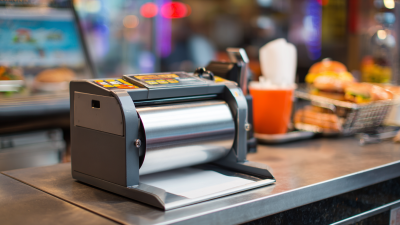
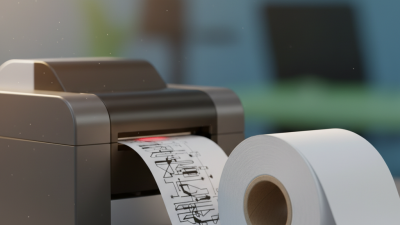
A thermal receipt is a printed record generated by thermal printers using heat-sensitive paper. This paper reacts to heat, allowing text and images to appear without ink. Commonly seen in point-of-sale systems, these receipts are essential for various transactions in retail and hospitality sectors.
Businesses benefit from thermal receipts because they provide fast and effective documentation. According to industry reports, 70% of consumers prefer receiving digital or printed receipts for their transactions. A thermal receipt is a viable choice, evidenced by its quick printing speed and reduced operational costs. Additionally, these receipts have a shelf life of about four to five years when stored properly, making them reliable for record-keeping.
Tips: Ensure your thermal printer is properly maintained. Regular cleaning can improve print quality and extend device life. Consider using eco-friendly thermal paper to reduce environmental impact. Remember, while the technology is efficient, not all thermal paper is created equal. Poor quality thermal paper can fade quickly, affecting document legibility. Keep an eye on the quality you choose for your business needs.
The Technology Behind Thermal Receipts
Thermal receipts are printed using thermal paper, which reacts to heat. The technology relies on a thermal printer, equipped with a heating element. When the printer activates, it generates heat on specific areas of the thermal paper, causing color changes. This process creates clear, easily readable text and images.
One key advantage of thermal receipts is speed. Businesses can print transactions quickly, reducing waiting times for customers. The technology also requires less maintenance compared to traditional printers. However, the fragility of thermal receipts can be a drawback. They can fade when exposed to light or heat, making long-term preservation challenging. Businesses must consider additional storage solutions if they need to retain these receipts for extended periods.
Additionally, the environmental impact of thermal paper is worth noting. Many thermal papers contain BPA, a chemical that raises health concerns. Transitioning to BPA-free options can be a positive step for businesses. This not only addresses health issues but also enhances a company’s reputation as environmentally responsible. Embracing these changes can lead to a more sustainable approach in the long run.
Benefits of Using Thermal Receipts for Businesses
Thermal receipts are widely used in retail and service industries. They are created through thermal printing, which uses heat instead of ink. This technology offers several advantages for businesses. One significant benefit is cost-effectiveness. According to a report by Research and Markets, businesses can save up to 30% on printing costs by switching to thermal receipts.
Additionally, thermal receipts improve transaction speed. Consumers expect quick and efficient service. A study by the National Retail Federation found that 70% of customers prefer businesses that provide fast checkout processes. Thermal printers can produce receipts in seconds, enhancing customer satisfaction.
Moreover, thermal receipts are environmentally friendly. Unlike traditional receipts, they do not require ink or toner. However, many thermal papers contain BPA, which raises health concerns. Businesses should consider using BPA-free thermal paper to address this issue. While thermal receipts offer impressive benefits, businesses must remain vigilant about the materials they use.
Environmental Impact of Thermal Receipts
Thermal receipts are commonly used in retail for transactions. However, their environmental impact raises concerns. These receipts often contain BPA, a harmful chemical linked to health issues. When discarded, they contribute to waste in landfills. Unlike traditional paper that can be recycled, thermal receipts often cannot be processed effectively. This reality forms a crucial consideration for businesses aiming for sustainability.
Tips: Consider switching to digital receipts. They reduce paper waste and are more convenient for customers. If digital options aren't feasible, explore alternatives like eco-friendly thermal paper. This choice can significantly lessen the environmental footprint while maintaining transaction efficiency.
The prevalence of thermal receipts is a challenge. Many consumers remain unaware of their environmental effects. This lack of awareness can hinder the push toward greener practices. Businesses should educate both staff and customers about these impacts. Implementing awareness campaigns can inspire change within the community. Emphasizing sustainability aligns with modern values, attracting eco-conscious customers.
Best Practices for Handling Thermal Receipts in Business
Thermal receipts play an essential role in modern businesses. They are printed using heat-sensitive paper, making them convenient yet vulnerable. Many companies rely on these receipts for transactions. However, improper handling can lead to fading or damage. Studies suggest that thermal receipts can fade within a few days due to exposure to light or heat.
Handling thermal receipts requires careful attention. Businesses should store them in cool, dark places. Avoiding direct sunlight can significantly enhance their lifespan. A recent report from the Retail Industry Leaders Association found that about 30% of receipts fade before being processed. So, training staff on proper storage methods is vital.
Customer experience also hinges on receipt handling. Clear, legible receipts foster trust. If a receipt is unreadable, it can lead to customer frustration. Businesses must evaluate their practices regularly to ensure optimal handling of thermal receipts. Implementing a digitization strategy can reduce paper waste and improve accessibility. Balancing these practices can lead to greater customer satisfaction while protecting important financial records.