Leave Your Message
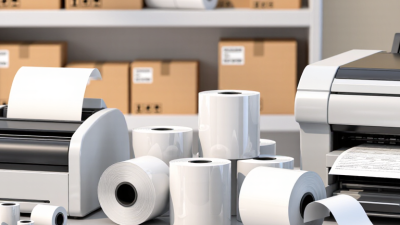
Choosing the right Paper Receipt Rolls can keep a busy checkout moving and make receipts easier to read. In 2026, the best option still depends on your POS printer, daily sales volume, and storage conditions. A roll that looks right on a shelf may have the wrong width or core diameter. Small details matter.
This guide compares receipt rolls by practical features: size, paper quality, roll length, and compatibility with common thermal printers. Check your printer’s manual or existing roll before ordering; a few millimeters can affect feeding and cutting. We also consider print clarity, so item names and totals remain legible under ordinary handling. No roll suits every counter. A compact café may value fewer roll changes, while a small shop may prefer easy-to-store packs. Not every roll fits.
Price deserves a closer look, too. A lower-cost pack may require more frequent changes or produce prints that fade sooner, depending on paper and storage. Keep rolls away from heat, sunlight, and moisture, and compare specifications rather than relying on a product photo. That advice is practical, but it is not a guarantee: printer condition and usage also affect results. Some differences are subtle until a roll jams during a rush. This overview helps you narrow the choices, verify the details, and select Paper Receipt Rolls that fit your equipment and workflow. There is no perfect pick for everyone, and that is worth remembering.
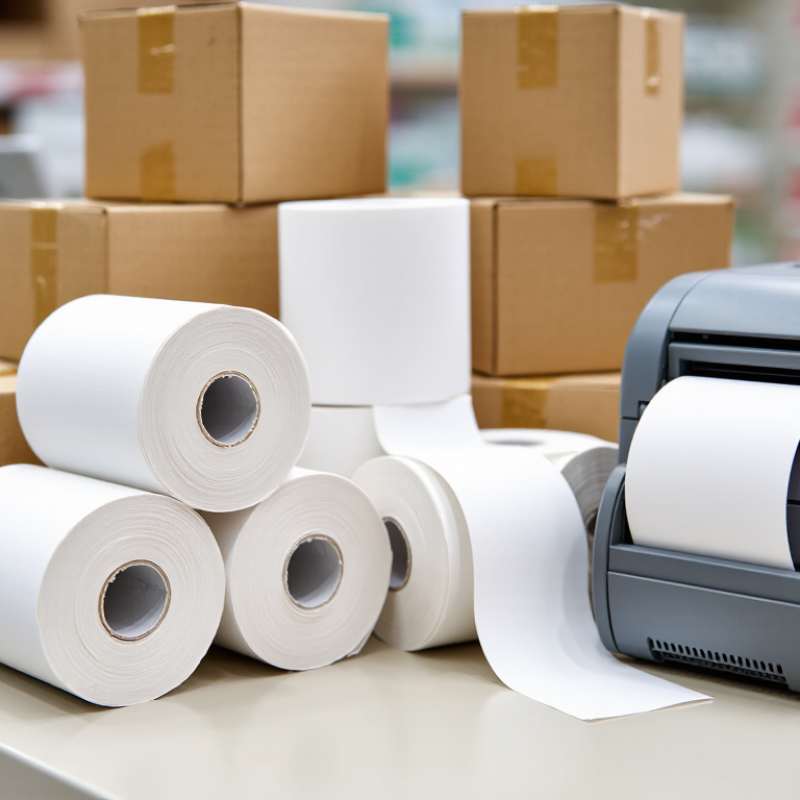
Thermal POS rolls work through heat, not ink. A thermal printhead presses tiny heated elements against coated paper, darkening selected areas into numbers, timestamps, and barcodes. There is no ribbon to load. Fewer consumables can make routine roll changes simpler. The paper still matters. Dust on the printhead, an incorrect roll width, or damp storage can cause pale lines and unreadable totals. Keep rolls sealed and away from sunlight and hot counters. Check the width and core size against the printer specifications. Small details, big difference.
The technology also has real market scale. Grand View Research’s thermal paper market report estimates a global market value of about US$4.4 billion in 2023, with 5.2% annual growth projected for 2024–2030. That is an estimate, not a promise for any retailer. For POS use, consistent coating, clear print, and verified printer compatibility matter more than market size. Thermal print can fade with heat, light, and time; a receipt left on a sunny dashboard may lose contrast. Direct thermal is convenient. It is not automatically archival. For bookkeeping or returns, keep digital transaction records too, and test a new roll batch before a busy shift. I would not assume every roll performs identically.
| Paper or Roll Feature | Common Specification | Practical Guidance |
|---|---|---|
| Direct Thermal Printing Basics | ||
| Printing method | Heat-sensitive coating darkens when heated by the printhead. | No ink, toner, or ink ribbon is required. |
| Print side | Thermal coating is on one side of the paper. | Load the roll with the coated side facing the printhead. If unsure, test with a fingernail or follow the printer instructions. |
| Print durability | Image life varies with paper grade and exposure to heat, light, friction, and chemicals. | Store receipts away from heat and direct sunlight; use a paper grade suited to the required record-retention period. |
| Ribbon compatibility | Direct thermal paper is designed for direct thermal printers, not thermal-transfer printing. | Check the printer’s printing method before ordering paper. |
| Common POS Receipt Roll Sizes | ||
| Narrow receipt roll | About 57–58 mm wide | Used in some compact POS printers and handheld devices. Confirm the printer’s specified paper width. |
| Standard-width receipt roll | About 79–80 mm wide | Common for countertop POS receipts. The usable print width may be narrower than the paper width. |
| Core inner diameter | Often around 12.7 mm (0.5 in), but other sizes are available. | Match the core to the printer’s roll holder or spindle. |
| Roll outside diameter | Varies by roll length, paper thickness, and core size. | Check the printer’s maximum roll diameter; a roll that is too large may not fit. |
| Roll length | Depends on paper weight, thickness, and outside diameter; there is no single standard length. | Compare stated length and roll diameter rather than relying on width alone. |
| Choosing Paper for a POS Printer | ||
| Paper weight | Many receipt papers are approximately 48–80 g/m²; available grades vary. | Check printer guidance and paper specifications. Heavier paper can affect roll capacity and handling. |
| Coating quality | Thermal sensitivity and image stability differ among paper grades. | Choose a grade that provides clear printing and suits the expected storage conditions. |
| Compatibility check | Width, core diameter, maximum roll diameter, and printer type all matter. | Use the printer manual or existing roll label to confirm the required specifications. |
| Receipt storage | Heat, sunlight, abrasion, and contact with certain chemicals may affect thermal images. | Keep unused rolls in a cool, dry place and protect printed receipts from prolonged heat and light. |