10 Best Printing Paper Options for Every Printing Need?
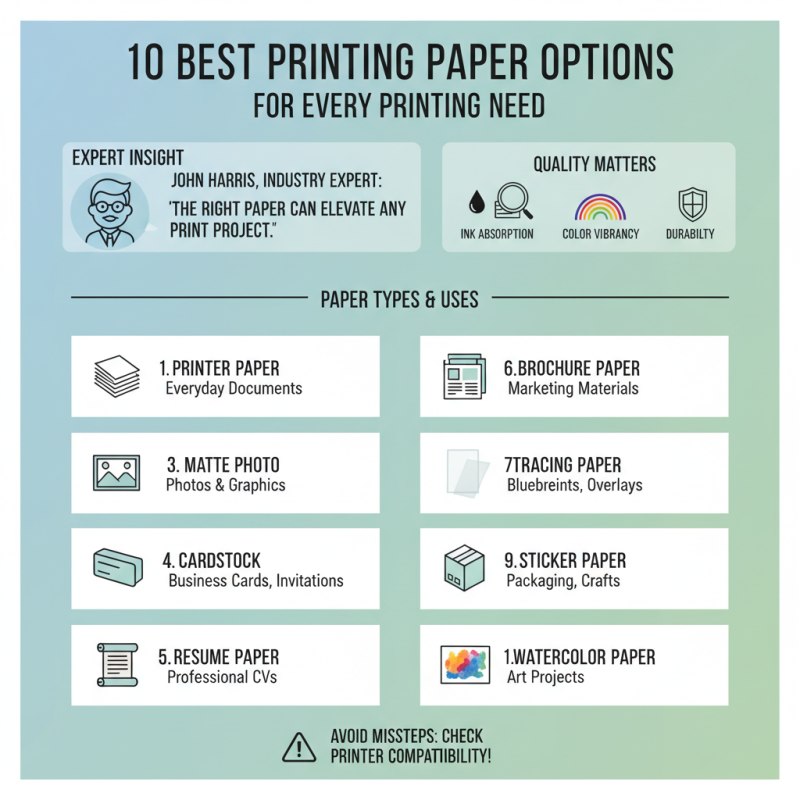
When it comes to choosing the right printing paper, expertise is essential. According to John Harris, a printing industry expert, "The right paper can elevate any print project." This highlights the importance of understanding your printing needs and the options available.
Different printing papers cater to diverse requirements. From glossy photo paper to sturdy cardstock, choosing the suitable type can dramatically affect the final outcome. Quality matters in printing paper, influencing ink absorption, color vibrancy, and overall durability. Those who overlook these details may face unsatisfactory results.
Furthermore, the array of choices can be overwhelming. Not all paper types are compatible with every printer or project. Missteps in selection can lead to waste and frustration. Consequently, having a well-rounded understanding of printing paper types is crucial for anyone looking to achieve professional-quality results.
Understanding Different Types of Printing Paper Available in the Market
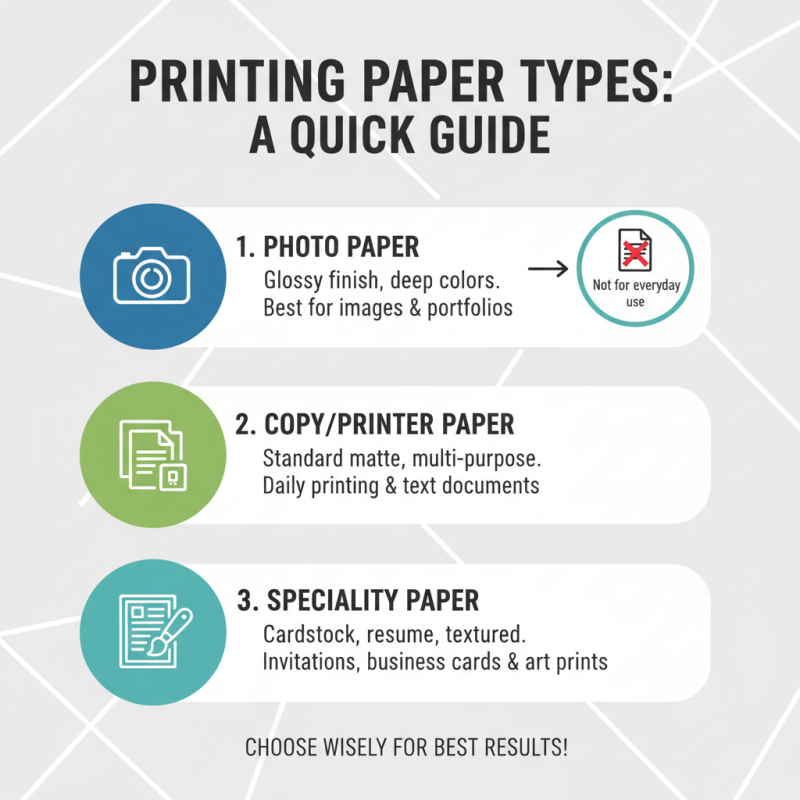
Choosing the right printing paper can significantly impact your projects. There are various types available, each serving a specific purpose. For instance, photo paper is ideal for images, offering a glossy finish that enhances colors and details. However, this type may not suit everyday printing needs.
Consider using matte paper for documents and presentations. It reduces glare, making text easily readable. Yet, it may not present images as vividly as glossy paper. Another option is recycled paper, which is eco-friendly. While it’s a sustainable choice, some might find its texture less appealing.
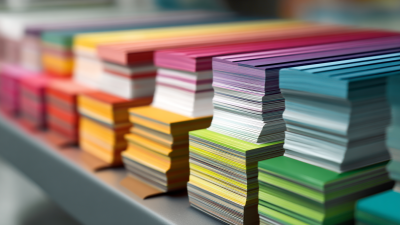
Specialty papers like cardstock provide rigidity. They’re perfect for invitations and business cards. On the downside, they can jam printers if the settings are not adjusted properly. Each paper type has strengths and weaknesses. Evaluating your printing needs is essential. Aim to select a paper that balances quality and usability without overspending.
Factors to Consider When Choosing Printing Paper for Specific Needs
When selecting printing paper, several factors are critical. The paper weight is essential for determining the final result. Heavier paper, ranging from 180 to 300 gsm, is ideal for professional documents and presentations. For everyday printing, 70 to 100 gsm is commonly used. A study from the Paper and Print Industries Association found that paper weight can significantly affect the perception of quality.
Another important element is brightness. A brighter paper can enhance colors and make images more vivid. Brightness levels typically range from 80 to 100 on the ISO scale. Research indicates that images printed on brighter papers are perceived as more professional. Texture also plays a role; a smooth finish can suit high-resolution images, while a textured surface often complements artistic prints.
Moreover, the intended use significantly influences paper choice. For archival printing, acid-free papers ensure longevity and durability. In contrast, eco-conscious consumers might prefer recycled options. A report by the Environmental Paper Network highlights that around 50% of consumers consider sustainability when making printing choices. Understanding these factors helps meet specific needs efficiently.
Top 10 Printing Paper Options for Home and Office Use
When selecting printing paper for home and office use, you have many options. Each type serves specific needs. For standard printing, multipurpose paper fits the bill. It provides good quality for everyday documents. This paper type offers a balance between cost and quality, making it a popular choice.
For presentations or important documents, consider using higher-quality paper. A thicker, heavier weight enhances professionalism. Even a small change can elevate your work's appearance. But, using premium paper can be an overkill for personal notes. An honest approach helps in making the right choice.
If you're often printing photos, opt for photo paper. Its glossy finish produces vibrant colors. Yet, this type of paper may not work well for text documents. Be cautious; not all printers handle every paper type. Understanding your printer's capabilities is essential. This awareness helps avoid frustrating results.
10 Best Printing Paper Options for Every Printing Need
| Type of Paper |
Weight (gsm) |
Finish |
Best For |
| Standard Copy Paper |
80 |
Matte |
Everyday Printing |
| Inkjet Paper |
90 |
Glossy |
Photos and Graphics |
| Photo Paper |
240 |
Glossy |
High-Quality Photos |
| Cardstock |
200 |
Smooth |
Invitations, Cards |
| Brochure Paper |
120 |
Glossy |
Marketing Materials |
| Recycled Paper |
75 |
Matte |
Eco-Friendly Printing |
| Translucent Paper |
100 |
Translucent |
Overlay Designs |
| Business Card Paper |
250 |
Coated |
Professional Cards |
| Label Paper |
120 |
Matte |
Custom Labels |
| Resume Paper |
120 |
Linen |
Professional Resumes |
Specialty Papers for Creative Projects and Professional Printing
When it comes to specialty papers for creative projects, choices abound. Fine art papers, for instance, offer texture and depth, crucial for capturing vibrant colors in prints. The Fine Paper Association reports that over 40% of artists prioritize paper quality, emphasizing the role of paper in enhancing artwork.
Professional printing also demands specialized papers, like glossy or matte finishes. These options can elevate marketing materials, brochures, and business cards significantly. Quality paper can impact consumer perception; studies show that 70% of customers equate solid paper stock with a professional brand image.
Tips for selecting the right paper:
Choose the texture wisely. A textured paper can add sophistication to invitations or portfolios.
Keep in mind the print technology. Not all papers suit every printer type. Using the wrong paper often leads to wasted resources.
Experiment with different weights. A heavier weight can convey quality, but it may increase mailing costs. Consider your budget and project needs carefully.
Tips for Storing and Maintaining Your Printing Paper Collection
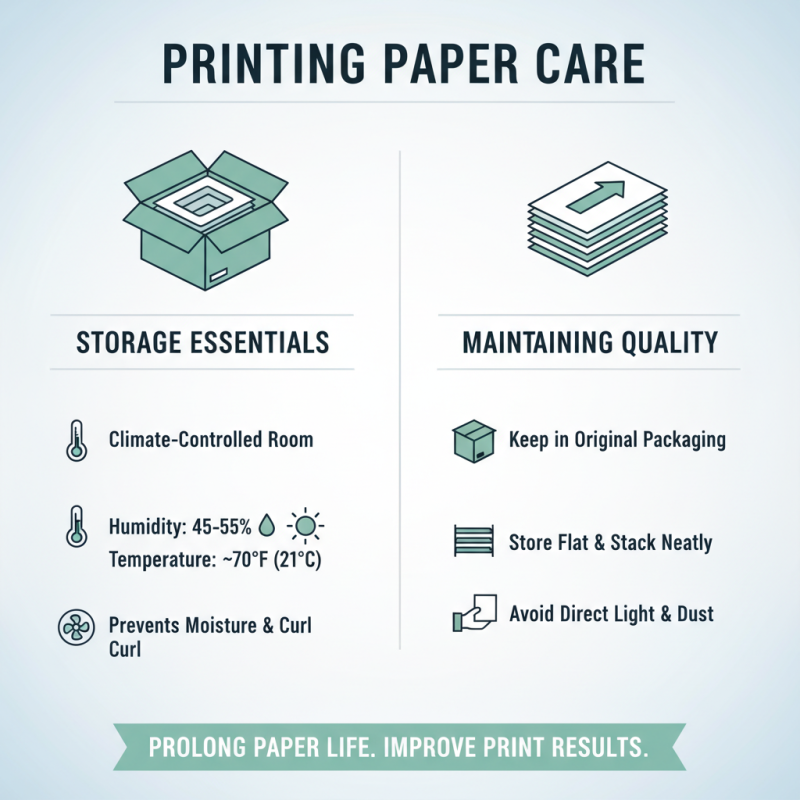
When it comes to storing printing paper, maintaining its quality is crucial. Proper storage methods can significantly prolong the lifespan of paper. According to industry studies, improperly stored paper can warp or degrade quickly, leading to unsatisfactory print results. A climate-controlled environment is essential. Aim for a relative humidity level of about 45% to 55%. Additionally, keep the temperature around 70°F (21°C). These conditions help prevent moisture absorption and minimize paper curl.
It is advisable to store printing paper flat, ideally in its original packaging. This protects the sheets from dust and light exposure. Even slight variations in storage conditions can cause issues. For instance, paper left in a humid area may become brittle or develop mold. While it may seem convenient, stacking large amounts of paper can lead to warping or damage. Consider using protective covers or envelopes for extra protection.
Rotating your paper stock is a good practice. Using the oldest sheets first can prevent deterioration and ensure that your collection remains usable. Take note of the expiry dates if they exist, as some specialty papers have a shelf life. By ensuring these storage practices, you can experience fewer printing challenges and maintain a reliable paper supply for all your printing needs.