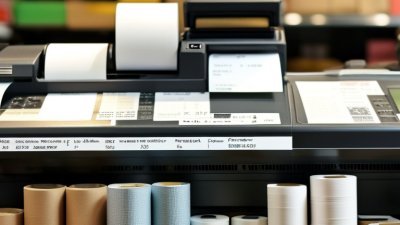
Which Cash Register Rolls Are Best for Buyers in 2026?
In 2026, choosing Cash Register Rolls is not just a matter of finding the lowest price. A roll must fit the printer, feed without snagging, and produce receipts customers can read. A poor match can mean faint text, wasted paper, and a busy counter paused for a reload. Small details matter.
The right choice depends on your equipment and daily workload. Check the roll width, diameter, core size, and paper type against your printer’s specifications. Thermal rolls suit compatible printers and need no ink ribbon; bond paper works with impact printers. Storage matters, too. Heat, sunlight, and friction can affect printed thermal receipts, so keep spare rolls in a cool, dry place. Buying in bulk may lower the unit cost, but only if the rolls fit and can be stored properly. Cheap is not always economical.
A genuine expert quotation needs a verifiable source. I can’t responsibly invent a specialist’s name or attribute an unverified statement to one. Insert a confirmed industry expert’s name and approved quote here: “[Expert’s verified statement about matching roll specifications to printer requirements].” That check strengthens the advice and gives buyers a reliable starting point. This guide compares the practical trade-offs, including print clarity, compatibility, paper quality, and value. Some buyers may still prefer a familiar product, even when another roll looks better on paper. That is worth weighing.
How Cash Register Rolls Work and What Buyers Need to Know
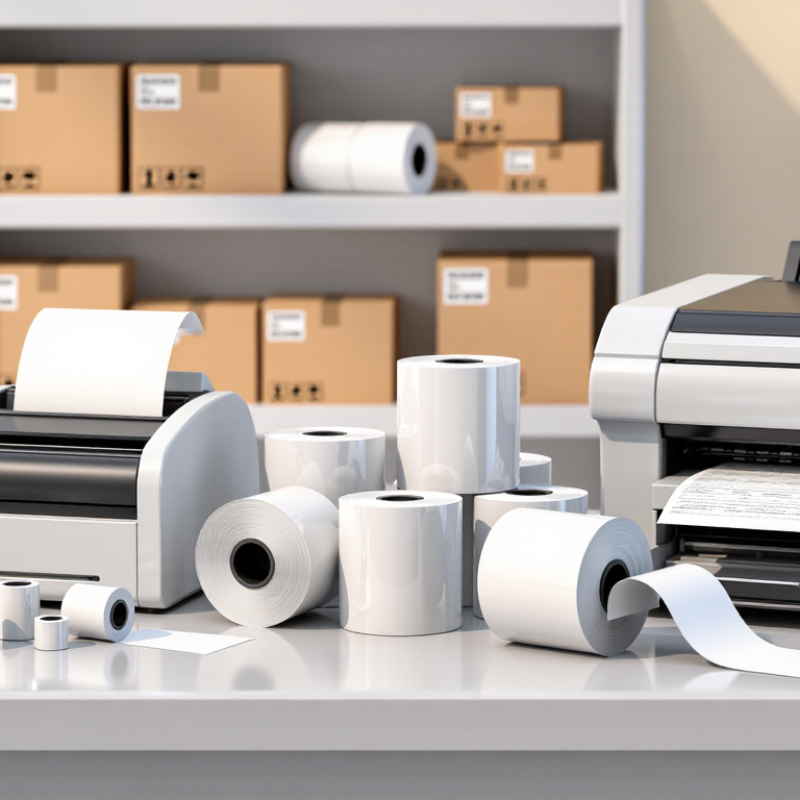
A cash register roll feeds paper through a printer so each transaction leaves a readable record. In thermal printers, a heated printhead darkens a special coating on the paper. No ink ribbon is needed. Other printers use plain paper and an ink ribbon, so the two roll types are not interchangeable. Check the printer’s instructions before ordering.
Roll fit depends on more than width. Buyers should confirm the paper width, maximum roll diameter, and core size their machine accepts. A roll that is too wide may not feed correctly; one with an oversized diameter may not fit the compartment. Paper length affects how often staff replace rolls, but advertised length can vary with paper thickness. A small trial order can reveal feed problems before a larger purchase.
Paper quality matters at the counter. Uneven coating can produce faint text, while dust or rough edges may contribute to jams. Keep thermal rolls away from direct sunlight, hot windows, and damp storage areas; heat can darken the paper before printing. For receipts that must remain legible, check the supplier’s stated image-retention conditions. A detail buyers sometimes overlook: even a correctly sized roll can disappoint if stored poorly.
Which Cash Register Rolls Are Best for Buyers in 2026?
How cash register rolls work—and what buyers need to know
How to choose: Thermal rolls use a heat-sensitive coating, so they work without ink ribbons. Both 58 mm and 80 mm are common nominal widths, but the right choice depends on your printer. Check its supported paper width, maximum roll diameter, and core size before buying. Widths shown are typical nominal sizes; exact dimensions can vary.
Types of Receipt Paper and Their Key Differences
Receipt rolls generally use thermal, bond, or carbonless paper, and each type works differently. Thermal paper reacts to heat from a compatible printer head, producing text without an ink ribbon. It is quick and quiet, making it common at busy counters. However, heat, sunlight, and oily fingers may cause print to fade. Small detail, big impact. Store spare rolls away from windows and warm equipment.
Bond paper needs an ink ribbon, so the printer must support that setup. It can suit older impact printers and environments where receipts are handled roughly, but ribbon replacement adds upkeep. Carbonless paper uses pressure to transfer writing onto additional layers. That helps when a customer and shop need separate copies, though it requires a compatible impact printer and costs more per set. Check roll width, core size, and printer specifications before ordering; a roll that nearly fits can jam or feed unevenly. A low unit price is not always a saving if the paper type slows service or prints poorly. I’d also test a small batch first—printer wear and storage conditions can change the result.
Which Cash Register Rolls Are Best for Buyers in 2026? - Types of Receipt Paper and Their Key Differences
| Receipt Paper Type |
How It Works |
Does It Need Ink or a Ribbon? |
Main Advantages |
Limitations |
Best-Suited Uses |
What Buyers Should Check |
| Direct thermal |
A heat-sensitive coating darkens where the printer’s thermal head applies heat. |
No. Printing uses heat rather than ink or a ribbon. |
Fast, quiet printing with few consumable parts; convenient for high-volume checkout. |
Print can fade over time, especially with heat, light, friction, or some chemicals. It is not ideal when long-term readability is essential. |
Retail checkouts, restaurants, kiosks, and other systems designed for thermal printing. |
Confirm that the printer is direct thermal and check the required roll width, maximum roll diameter, core size, and paper specification. |
| Bond or plain paper |
Ordinary paper receives text or images from an impact printer’s print head and ink ribbon. |
Yes. An impact printer generally requires an ink ribbon. |
Does not rely on a heat-sensitive coating; printed paper can be suitable for records that need to remain readable for longer, depending on ink and storage conditions. |
Printing is typically noisier and slower than direct thermal printing. Ribbon replacement adds a consumable and maintenance step. |
Impact-printer tills and settings where the printer is specifically designed for plain-paper rolls. |
Check the printer manual for paper width, roll dimensions, paper weight, and ribbon compatibility. |
| Carbonless multi-ply paper |
Pressure from an impact printer transfers an image through coated sheets, producing matching copies on multiple plies. |
Usually yes for impact printing; requirements depend on the printer and form construction. |
Can create a customer copy and one or more retained copies in a single printing process. |
Thicker multi-ply stock may not feed through standard receipt printers. It is less common for everyday single-copy checkout receipts. |
Specialized impact-printer systems that require duplicate or triplicate transaction records. |
Verify that the printer supports the number of plies, paper thickness, roll dimensions, and carbonless form format. |
Common sizing reference: Receipt-roll widths often include approximately 57 mm (2¼ in) and 80 mm (3⅛ in), but dimensions vary by printer. Confirm roll width, maximum roll diameter, and core size against the printer manual before ordering. Paper length per roll also varies with roll diameter and paper thickness.
How to Match Roll Size to a Register or Printer
A correct cash register roll must match the printer’s width, maximum roll diameter, and core size. Common thermal-paper widths include 57 mm and 80 mm, but the printer’s specification is decisive. Measure the paper path, not just the loose roll: a roll that is slightly too wide may rub against the housing. Check the core, too. A snug fit matters.
Grand View Research’s Thermal Paper Market report estimated the global market at about $4.3 billion in 2023 and forecast 5.7% annual growth through 2030. That figure reflects broad use, not a universal roll standard. Before buying, look for the printer’s listed paper width and maximum roll diameter. If the manual is missing, measure the old roll’s width, outside diameter, and core opening. Then compare them with the printer compartment. I still measure twice; an old, partly used roll can be misleading.
Tip: Keep one used core as a reference. Confirm that the new roll feeds in the correct direction, with the thermal coating facing the print head. A test receipt can reveal faint printing or poor feed before you order in bulk. Don’t assume a similar-looking roll will fit.
Evaluating Print Quality, Durability, and Paper Safety
Which Cash Register Rolls Are Best for Buyers in 2026?
Print quality is easiest to judge with a real test. Look for crisp numbers, smooth gray shading, and barcodes without fuzzy edges. Compare samples using the same printer and settings; otherwise, the test may mislead you. Feed several receipts in a row. Watch for curling, paper dust, faint lines, or jams. These small flaws can become frustrating during a busy checkout. A roll that looks good once is not always consistent.
Tips: Store rolls in a cool, dry drawer, away from sunlight and heaters. Check that the width, diameter, and core fit your printer. Keep a sample receipt for comparison.
Durability matters when receipts are handled, folded, or kept for later reference. Ask for clear information about image stability and recommended storage, since heat and friction can affect thermal printing. Paper safety deserves the same care. Request current material disclosures and check whether the paper is BPA-free or uses an alternative developer. A label alone is not the whole story; supplier documentation is more useful. I would not assume every “eco” claim means safer paper. Compare the details, and test how the roll prints in your own equipment.
Comparing Costs, Supply Needs, and Environmental Impact in 2026
In 2026, the best register roll is not automatically the cheapest per case. Compare the cost per 1,000 transactions, including roll changes, storage space, and delivery fees. A thinner roll may reduce shipping weight, but it can run out sooner at a busy checkout. Keep a small reserve and test roll length on the actual printer; stated capacities do not always match real use.
Supply choices affect waste, too. The U.S. Environmental Protection Agency’s 2018 Facts and Figures report puts paper and paperboard recycling at 68.2 percent. That is a broad category, not a receipt-specific rate. Coated thermal receipts may not belong in local paper recycling, so check municipal guidance before labeling them recyclable. The American Forest & Paper Association’s paper recycling reports also show why collection systems matter: recycling performance depends on what local facilities accept. Small detail. Ask suppliers for fiber sourcing, coating, and packaging information, then compare evidence rather than vague “eco” claims.
For many stores, standard thermal rolls remain practical because they print quickly and need no ink ribbon. Yet the environmental trade-off is easy to overlook. Digital receipts can reduce paper use, but customers still need a clear choice and printed copies when requested. I would track monthly roll use, stockouts, and discarded partial rolls before switching specifications. That record may expose waste a price-per-case comparison misses.