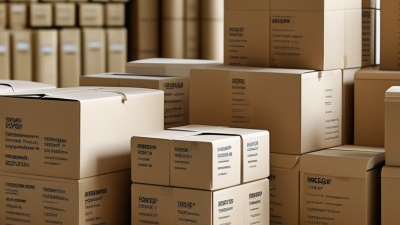
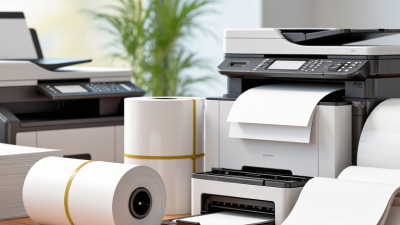
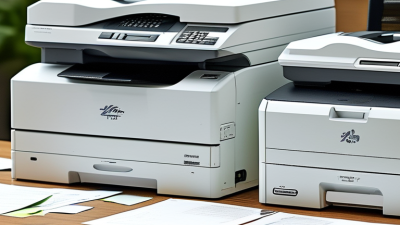
Why Choose Office Paper for Global Business Needs?
Why Choose Office Paper for Global Business Needs?
Global business still depends on documents that can be read, signed, archived, and reviewed without technical barriers. Office Paper supports these tasks across offices, warehouses, courts, schools, and customer service desks. A printed invoice remains usable during a network outage. That practical resilience matters.
Smithers’ global printing industry outlook identifies continued demand for business and transactional printing, despite rapid digital adoption. The Confederation of European Paper Industries reported approximately 79.5 million tonnes of European paper and board production in 2023. These figures show a changing market, not a disappearing one. Businesses still need dependable paper for records, forms, shipping documents, and internal communication.
Jonathan Tame, Managing Director of Two Sides Europe, has stated, “Paper is a renewable, recyclable and sustainable product.” Responsible sourcing makes that claim more credible. Buyers should check FSC or PEFC certification, recycled content, fiber quality, and supplier transparency. Office Paper also needs consistent thickness and reliable feeding. A low-cost ream that jams twice can waste time, toner, and staff attention.
The argument is not flawless. Paper consumption can create unnecessary waste when printing policies are careless. Digital workflows should replace avoidable copies. Yet global operations need practical choices, especially where connectivity, language, or infrastructure varies. The strongest approach is balanced: print what matters, use certified Office Paper, and measure waste honestly. Sustainability should be visible in procurement records, not merely promised in marketing language.
What Office Paper Is and Its Role in Global Business
Office paper is a standardized material for everyday business communication.
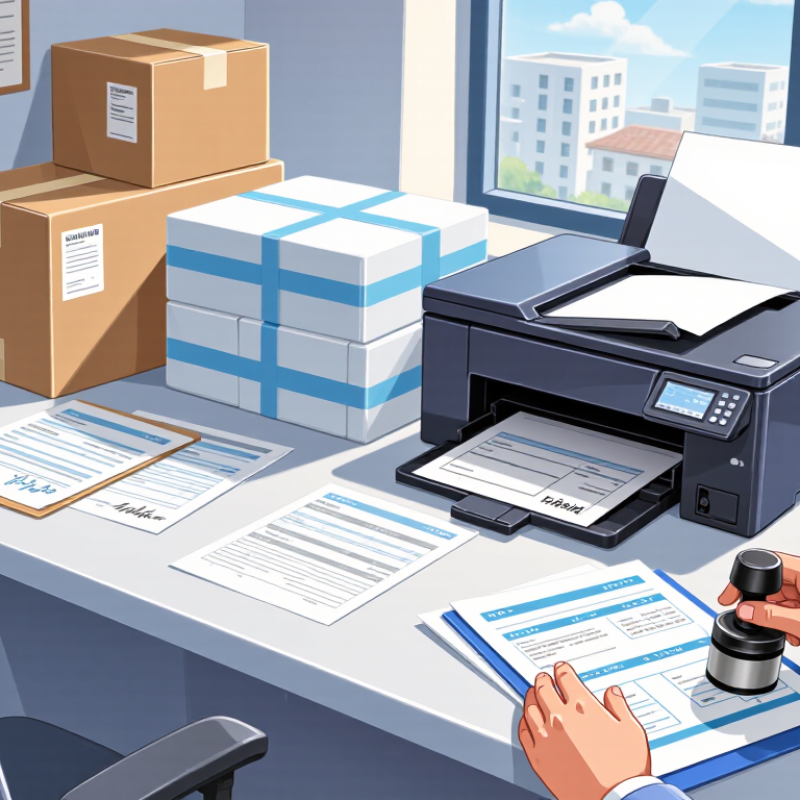
It supports invoices, contracts, shipping labels, meeting notes, and archived records. Typical office paper uses 75–90 grams per square meter, balancing readability with printer performance. That small choice matters when documents move across offices, warehouses, and borders.
The FAO’s Global Forest Products Facts and Figures 2023 reported approximately 423 million tonnes of paper and paperboard production worldwide in 2022.
Office paper is only one segment, but the figure shows its industrial scale. In practice, consistent brightness, moisture control, and sheet dimensions reduce jams and reprints. A poorly stored carton can absorb humidity overnight. That creates curled pages, wasted time, and unnecessary material use.
Sustainability also affects global purchasing decisions.
The European paper industry’s 2023 statistics reported a paper recycling rate of about 79% in Europe. Recycled content can support circular procurement, although it is not automatically better in every application. Businesses should check fiber sources, durability, printer compatibility, and local recovery systems. The data can be imperfect. Reporting methods differ between regions, and recycled paper may require more careful equipment settings. Still, clear specifications help purchasing teams compare suppliers fairly and maintain reliable document workflows.
Key Features That Support International Office Operations
Why Choose Office Paper for Global Business Needs?
International office operations depend on small details that rarely attract attention. Paper is one of them. Reliable office paper should feed smoothly through printers, copiers, scanners, and high-speed document systems. Consistent sheet size reduces jams across offices using different equipment. A balanced weight also supports contracts, invoices, reports, and training materials without feeling fragile.
Paper opacity matters when documents are printed on both sides. Clear text improves reading during meetings and reduces reprints. A bright, even surface helps scanned pages remain sharp under ordinary office lighting. In my experience, moisture resistance is equally important. Paper stored near a loading area can curl quickly. That simple problem can delay a shipment of documents.
Tips: Test paper with your actual printers. Check sheet size, weight, opacity, and packaging before bulk purchasing. Store cartons flat in a dry room. Let new paper adjust to room temperature before use.
Sustainable sourcing should also be examined carefully. Responsible procurement teams can review recycled content, fiber sources, packaging, and supplier documentation. Claims should be supported by clear records, not attractive wording alone. This is where practice can expose weak assumptions. A paper described as “universal” may still perform poorly in older machines. Small pilot tests are worth the time. Keep sample results from different locations, because humidity and equipment settings can change performance.
How Office Paper Meets Diverse Workplace and Industry Needs
Why Choose Office Paper for Global Business Needs?
How Office Paper Meets Diverse Workplace and Industry Needs
Global teams often need one paper supply for many daily tasks. Finance staff print invoices, while designers review color drafts. Administrative teams handle forms, labels, meeting notes, and multilingual documents. Office paper supports these different routines without requiring specialized materials for every department.
Paper size matters across international workplaces. A4 remains common in many regions, while Letter size is widely used elsewhere. Choosing compatible sizes reduces trimming, misaligned forms, and wasted storage space. Paper weight, opacity, brightness, and moisture tolerance also affect performance. In a busy office, thin sheets may jam during duplex printing. High-opacity paper helps prevent text from showing through.
Small details matter.
In humid environments, paper can curl or feed unevenly. A procurement team can test sample packs before placing a larger order. This practical step reveals problems that product descriptions may miss. Recycled content can support environmental goals, but the paper must still suit printers and scanners. Not every document needs premium stock. Using the wrong grade, however, can create delays and extra costs.
Reliable purchasing also means checking technical specifications, packaging protection, and storage guidance. Paper should remain sealed until needed and kept away from damp floors. Even careful teams make mistakes. A rushed purchase may favor price over compatibility. Reviewing actual workplace usage can lead to a more balanced and dependable choice.
Standards, Sustainability, and Quality in Global Paper Supply
Global business paperwork still depends on a simple material: office paper. In procurement work, I have seen small quality differences create large costs. Uneven sheets can jam printers, blur invoices, and slow warehouse teams. Reliable supply begins with measurable standards, not attractive packaging. Sheet size should follow ISO 216 dimensions. Brightness, opacity, moisture, and basis weight should be tested consistently. Independent laboratory reports add confidence when shipments cross borders.
Sustainability requires more than choosing recycled paper. Buyers should examine fiber sources, chain-of-custody records, water use, energy data, and packaging volume. A credible supplier can explain these figures clearly. Recycled content may reduce pressure on forests, yet it can affect smoothness or printer performance. That trade-off deserves testing. A practical trial uses several printers, double-sided documents, and humid office conditions. Results should be recorded before signing a large contract. Small details matter.
Quality also means continuity. Global teams need stable specifications across regions, compatible carton labeling, and backup production capacity. Customs documents, delivery forecasts, and damage controls should be reviewed together. I would not promise identical performance in every climate; paper reacts to storage. That is an important limitation. Even good planning can miss a port delay or sudden fiber shortage. The better approach is honest reporting, routine sampling, and corrective action when results fall short. Trust grows through evidence, not slogans.