Top 10 Office Paper Types for Global Buyers?
In today's digital age, the importance of Office Paper remains undeniable. Global buyers seek quality paper to meet diverse needs. According to Mark Thompson, an industry expert in office supplies, “The right paper can elevate any project.” His insight emphasizes the impact of paper choice on efficiency and presentation.
There are many types of Office Paper available in the market. Each serves a unique purpose, from everyday printing to specialized tasks. Buyers often overlook specialty papers, which can enhance a project’s professionalism. Selecting the right paper is not just about cost. It requires understanding the specific requirements and intended use.
Navigating this landscape can be tricky. Many users might choose the same type of paper without considering alternatives. This can lead to missed opportunities for improvement. In a competitive business environment, understanding Office Paper options is crucial. It can directly affect the quality of work produced and overall satisfaction.

Overview of Office Paper Types Used Globally
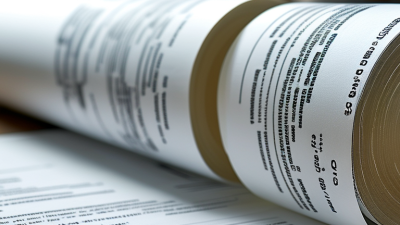
Office paper types play a crucial role in everyday business functions. Buyers around the globe often seek options tailored to their specific needs. Here’s an overview of common office paper types that stand out internationally.
Copy paper is the most widely used in offices. It is versatile and suitable for everyday printing. This paper usually has a weight of 20 lbs. and is well-suited for high-volume tasks. Many professionals prefer it for its affordability. Yet, not all copy paper is created equal. Consider factors like brightness and thickness before making a choice.
Another popular option is recycled paper. It reflects a commitment to sustainability. This type often comes with various weights and textures. However, the quality can vary. It’s essential to test it out to ensure it meets printing needs effectively. Users should also be aware of potential ink bleeding with lower-quality recycled papers.
When purchasing paper, always keep in mind the intended use. Selecting the right type can improve both cost and efficiency. Avoid bulk buys without considering the specific paper needs of your workplace. It might save money but can lead to waste. Staying informed about different paper types helps to make the best choices for your business.
Key Features That Define Quality Office Paper
When selecting office paper, quality features play a critical role. The paper's weight is crucial. Most office papers range from 70 to 120 grams per square meter (gsm). Heavier paper feels more professional and durable. For everyday use, a lighter weight can suffice, but your choice should align with the purpose of the documents.
Brightness levels impact print quality. A higher brightness means sharper images and text. Generally, a brightness rating of 90 or above is preferred for vibrant colors. Additionally, paper opacity is essential. A good level of opacity prevents ink bleed-through, ensuring clarity on both sides.
Fiber content is another factor that defines quality. Papers made from 100% wood pulp often offer a superior feel and printability. However, some recycled papers can match this quality while being environmentally friendly. It's important to remain mindful of sustainability in your choices. While great features drive quality, it’s also necessary to assess your specific office needs. Sometimes, cost may compromise quality. Balancing price with features requires careful consideration.
Top 10 Office Paper Types for Global Buyers
Popular Types of A4 Paper for Everyday Office Use
When choosing A4 paper for everyday office use, several types stand out due to their versatility.
One of the most common options is standard copier paper. It's suitable for printing documents and everyday tasks. The smooth texture provides good print quality and is cost-effective for bulk use.
Another popular choice is inkjet paper. This type has a special coating that absorbs ink better, resulting in vibrant colors. It's ideal for promotional materials and important presentations. Consider using this type when quality is crucial.
For those focusing on environmental impact, recycled paper is a great option. It's made from post-consumer waste, helping reduce deforestation. However, its texture may not be as smooth as other types, which could affect print quality. Evaluate if the eco-friendly choice outweighs potential printing issues.
When buying A4 paper, opt for reams wrapped in plastic for easy storage. Check for a universal compatibility symbol to ensure it works with all printers. Always assess your needs before purchasing. This can prevent waste and ensure that you choose the right type for your tasks.
Specialty Paper Options for Unique Office Needs
Choosing the right specialty paper is essential for many office needs. Specialty papers can enhance presentations, elevate marketing materials, or simply provide a unique touch to everyday tasks. With various options available, it's vital to consider specific requirements.
One option is textured paper, which can add depth and interest to documents. Its tactile quality makes reports feel more distinguished. Another choice is recycled paper, appealing to environmentally conscious offices. This option reflects sustainability and responsibility.
Moreover, consider colored paper for creative projects. It can capture attention and convey information in a vibrant way. However, using colored paper indiscriminately may lead to confusion. Some might not take it seriously in professional settings. Always evaluate the context before choosing. Lastly, specialty papers can be costly. Budget constraints can limit choices. This factor often leads to reflections on balancing quality and expense in the office.
Sustainable and Eco-Friendly Paper Choices for Businesses
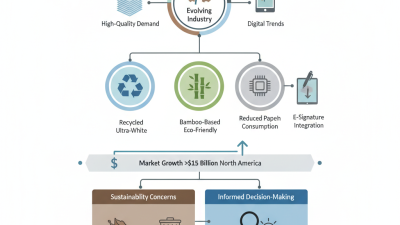
In today's eco-conscious world, businesses face pressure to adopt sustainable practices. Office paper types that prioritize environmental health are critical for any business looking to reflect its values. Recycled paper is a popular choice, reducing waste and conserving resources. However, not all recycled papers are created equal, so companies should seek out types that use a high percentage of post-consumer waste.
Tree-free papers made from agricultural byproducts, such as hemp or wheat straw, also offer an innovative alternative. These materials often require less water and energy to produce. Such options can pose challenges, as they may not always perform as well in printers or copiers. Buyers should be prepared to test these papers, balancing functionality with sustainability.
Another consideration is the certification of paper products. Look for certifications like FSC or SFI, which ensure responsible forest management. These details can help businesses make informed decisions. Often, the journey to finding the perfect paper includes trial and error. By reflecting on these challenges, businesses can better align their purchasing habits with a commitment to sustainability and responsibility.