What is Recycled Paper and Why Should You Use It?
Recycled paper is more than just an eco-friendly option; it represents a shift toward sustainable practices. According to Lisa Turner, a leading expert in the recycled paper industry, "Choosing recycled paper is a small step that can lead to significant environmental impact." This highlights the importance of recycling in conserving resources and reducing waste.
The benefits of using recycled paper extend beyond reducing deforestation. It also utilizes less energy and water during production, making it a smart choice. However, many people remain unaware of its advantages. It's crucial to increase awareness about recycled paper's role in promoting sustainability.
Despite its numerous benefits, not all recycled paper is created equal. Some products may contain only a small percentage of recycled content. This raises questions about authenticity and effectiveness. Consumers should look for certifications to ensure they are making a responsible choice. By choosing recycled paper, we contribute to a healthier planet while holding manufacturers accountable.
What is Recycled Paper?
Recycled paper is made from old paper products that have been processed and repurposed. This includes newspapers, magazines, office paper, and cardboard. The recycling process involves several steps. Paper is collected, sorted, and cleaned. Then, it is pulped and reformed into sheets. This method consumes less energy and water compared to making new paper from trees.
Using recycled paper has a number of benefits. It helps reduce waste in landfills, decreasing environmental pollution. Every ton of recycled paper can save up to 17 trees and thousands of gallons of water. However, not all recycled paper is created equal. The quality can vary, and some products may not perform as well as virgin paper. This inconsistency can be frustrating for consumers. Understanding where the paper comes from and its recycled content is essential.
Choosing recycled paper is a step toward sustainability. It contributes to a circular economy, where materials are reused rather than discarded. The challenge lies in balancing quality and environmental impact. Consumers may find themselves weighing the pros and cons. Increased awareness of the environmental benefits is needed. It can pave the way for better recycling practices and more reliable products in the market.
The Process of Making Recycled Paper
The process of making recycled paper begins with collecting used paper products. This includes newspapers, cardboard, and office waste. According to the Environmental Protection Agency, around 67% of paper products are recyclable. Once collected, these materials are sorted, cleaned, and processed. Contaminants like plastics and metals must be removed for effective recycling.
Shredding follows, which breaks the paper down into smaller pieces. These shreds are mixed with water to form a slurry. This step helps separate the fibers, critical for producing quality recycled paper. The slurry undergoes screening to remove any remaining impurities and is then bleached. It’s worth noting that chlorine-free bleaching methods are preferred to minimize environmental impact.
Finally, the pulp is dried and pressed into sheets. Interestingly, recycled paper uses 60% less energy compared to making new paper. The entire process illustrates a significant reduction in landfill waste. However, not all recycled paper is created equal. Some products may contain additives that compromise recyclability. It highlights the necessity for consumers to be informed and selective about recycled products.
Benefits of Using Recycled Paper
Using recycled paper offers numerous benefits that align with sustainable practices. One of the most significant advantages is its contribution to environmental conservation. By utilizing recycled materials, we significantly reduce the need for virgin pulp, which helps save forests. Recycling paper also requires less energy and water than producing new paper. This reduction is vital in combating climate change.
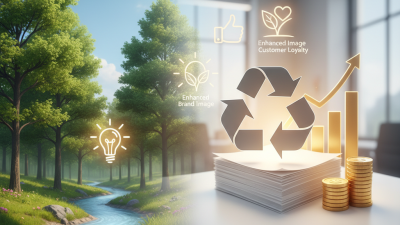
Choosing recycled paper can enhance your business's image. Customers appreciate companies that prioritize eco-friendly products. This choice can set you apart in a crowded market, attracting a more conscientious clientele. When you incorporate recycled paper in packaging or marketing materials, it reflects a commitment to sustainability that resonates with many.
Consider these tips for integrating recycled paper effectively. Look for certification labels that ensure quality and environmental standards. Start small by replacing standard notepads or office paper with recycled options. Even small changes can accumulate into significant impacts over time. Reflect on your consumption habits and make informed choices that support recycling initiatives. The journey toward sustainability involves continuous improvement and awareness.
What is Recycled Paper and Why Should You Use It? - Benefits of Using Recycled Paper
| Benefit |
Description |
Environmental Impact |
| Reduces Waste |
Using recycled paper diverts waste from landfills. |
Helps decrease landfill overflow, conserving space. |
| Conserves Resources |
Recycling paper uses 60% less energy compared to making virgin paper. |
Reduces deforestation and preserves natural resources. |
| Saves Water |
The process of recycling paper requires substantially less water than producing new paper. |
Conserves freshwater supplies and reduces water pollution. |
| Reduces Carbon Footprint |
Using recycled materials can lead to lower greenhouse gas emissions. |
Contributes to mitigating climate change effects. |
| Encourages Sustainable Practices |
Promotes an economy based on renewable resources. |
Supports a systematic approach to environmental conservation. |
Environmental Impact of Recycled Paper
Recycled paper plays a crucial role in reducing environmental harm. Its production uses fewer trees, conserves water, and lowers energy consumption. Compared to virgin paper, making recycled paper generates significantly less pollution. Manufacturing recycled paper can reduce carbon emissions, helping to combat climate change.
Using recycled paper also addresses waste management issues. A large percentage of paper ends up in landfills, contributing to increasing waste. By choosing recycled options, consumers can help minimize landfill overflow and support a circular economy. It is important to acknowledge that not all recycled paper is created equal. Some processes may still involve substantial energy use or produce waste.
Awareness is essential when navigating the recycled paper landscape. Consumers should research how different types of recycled paper are made. Understanding certifications and production practices can guide informed decisions. Embracing recycled paper requires critical thoughts on what sustainability truly means. There's room for improvement, but each small change can lead to a more eco-friendly future.
Environmental Impact of Recycled Paper vs. Virgin Paper
This chart illustrates the environmental impact of recycled paper compared to virgin paper across four different dimensions: CO2 emissions, water usage, energy consumption, and solid waste generation. Recycled paper significantly reduces each of these impacts, highlighting its importance for sustainable practices.
Common Uses for Recycled Paper
Recycled paper is not just eco-friendly; it has versatile applications. Many businesses and individuals are now opting for recycled paper for their everyday needs. This choice reflects a commitment to sustainability while providing superior functionality.
One common use for recycled paper is in the production of notebooks and stationery. Schools and offices are adopting these products to reduce their ecological footprint. These items serve the same purpose as traditional paper but with the added benefit of conserving natural resources. Additionally, recycled paper can be used for packaging materials. It can be transformed into boxes, wraps, and protective fillers that are just as sturdy as their non-recycled counterparts.
Art supplies often incorporate recycled paper as well. Artists appreciate how it can positively impact their creative work, though some argue it may lack the quality of newer materials. Despite this criticism, many find that recycled options often spark creativity and innovation in art projects. The growing interest in recycled paper showcases both an environmental awareness and a desire for practical solutions. Embracing these products fosters a culture of sustainability that everyone can partake in.