2026 Top Ultrasound Paper Innovations for Global Buyers?
The ultrasound market is evolving rapidly, demonstrating significant advancements in technology and applications. The 2026 report indicates a projected growth of over 8% annually, emphasizing the rising demand for efficient diagnostic tools. Ultrasound Paper innovations are at the forefront of this transformation, offering new solutions for global buyers seeking reliable and effective imaging techniques.
Recent industry analysis suggests that ultrasound technology is becoming essential in various fields, including obstetrics, cardiology, and emergency medicine. The shift towards portable devices and telemedicine highlights the need for innovative ultrasound methods. The advancements in ultrasound paper have expanded its capabilities, integrating AI for improved image analysis and diagnosis.
Despite these exciting innovations, challenges remain. For instance, the accessibility of high-quality ultrasound paper in low-resource settings is still a concern. Additionally, there is a need for comprehensive training for practitioners to fully leverage these advancements. As the industry moves forward, a commitment to ongoing research and development will be crucial in addressing these gaps. The future of ultrasound paper looks promising, but it requires collective efforts from manufacturers, healthcare professionals, and policymakers.

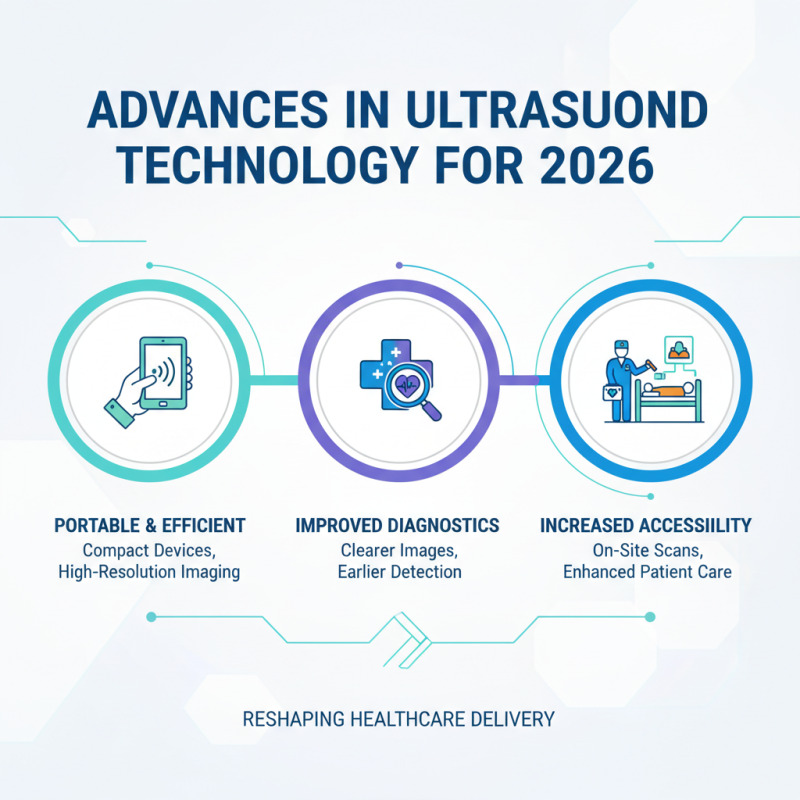
Advancements in Ultrasound Technology for 2026
Ultrasound technology is advancing rapidly. In 2026, we can expect significant innovations that will reshape the field. Portable devices are becoming more efficient. These devices offer high-resolution imaging, improving diagnostics. Accessibility is key; doctors can now perform ultrasounds in various settings. This versatility enhances patient experience and care.
Tips: When considering new ultrasound technologies, prioritize user-friendly interfaces. Training staff effectively can maximize the benefits of these innovations. Understand local regulations surrounding medical devices, as they can impact deployment and usage.
Moreover, we should reflect on the limitations of current technologies. While advancements are promising, challenges remain. Some devices may face issues with image quality under certain conditions. Ensuring that training is ongoing can address these gaps. It's essential for medical professionals to stay updated on best practices. Regular feedback from patients can drive improvements in the implementation of these new technologies.
Key Innovations in Ultrasound Imaging Techniques
Ultrasound imaging has seen remarkable advancements in recent years. These innovations provide clearer images and enhance diagnostic accuracy. New techniques, such as real-time 3D imaging, allow for better visualization of anatomy. They also improve the detection of abnormalities. This is especially useful in fields like obstetrics and cardiology.
Tip: Consider the patient's comfort during ultrasound procedures. A relaxed patient yields better imaging results.
Another exciting development is the integration of artificial intelligence. AI algorithms can analyze ultrasound images more quickly than ever. They help radiologists identify potential issues faster. This speeds up the decision-making process. However, the reliance on AI raises questions about training and oversight. Ensuring radiologists are equipped to interpret AI-assisted results is crucial.
Tip: Continuous education for healthcare professionals is essential. Staying updated on technology ensures accurate diagnoses.
2026 Innovations in Ultrasound Imaging Techniques
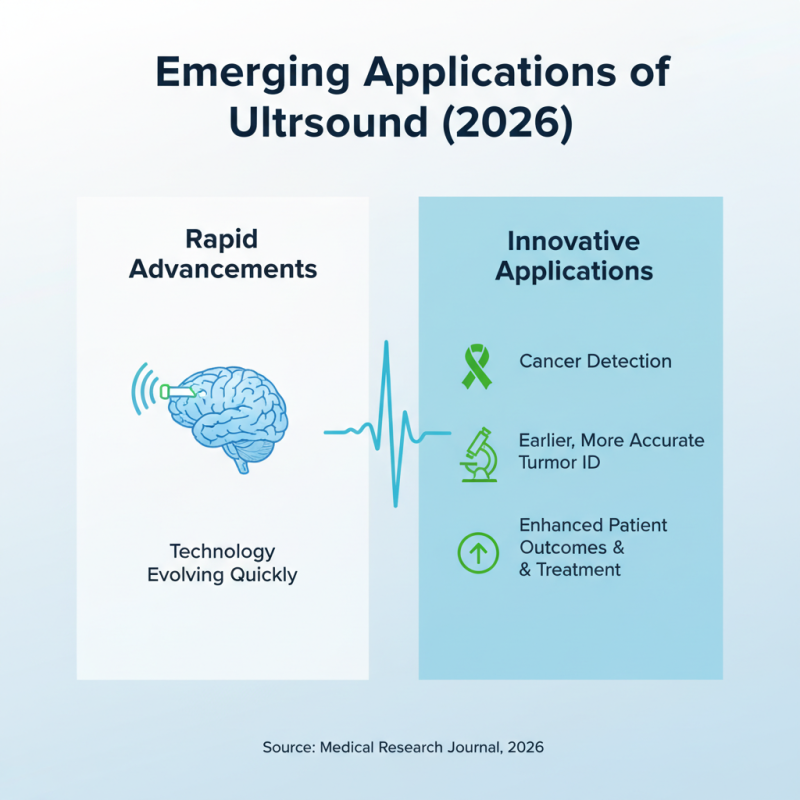
Emerging Applications of Ultrasound in Various Medical Fields
Ultrasound technology is advancing rapidly. In 2026, we see innovative applications emerging in various medical fields. One noteworthy area is in cancer detection. Researchers are developing ultrasound techniques that promise earlier and more accurate tumor identification. This could significantly enhance patient outcomes and treatment options.
Another exciting development is in prenatal care. New ultrasound applications can now provide detailed imaging of fetal health. This technology allows healthcare providers to detect potential issues early on. It holds great promise for reducing complications during pregnancy and childbirth. However, the accuracy of these new methods still requires validation.
Therapeutic ultrasound is also evolving. It is increasingly used for targeted drug delivery. This technique allows medications to be directed precisely to affected tissues. While promising, this approach must be refined to ensure safety and effectiveness. The potential is vast, but researchers need to proceed carefully to maximize benefits. As these ultrasound innovations unfold, ongoing assessment and adaptation will be crucial for their success in medical practice.
Global Market Trends Impacting Ultrasound Equipment Purchases
The global market for ultrasound equipment is experiencing significant shifts. Advances in technology are driving innovation. Buyers are now more focused on integrating cutting-edge features into their ultrasound systems. High-resolution imaging and portable devices are priorities for many healthcare providers. Cost efficiency remains a key factor in purchasing decisions.
Emerging markets are seeing an increase in demand. Accessibility to advanced healthcare plays a vital role. Areas with limited resources seek affordable yet effective ultrasound solutions. However, balancing cost and quality can challenge buyers. Decision-makers often reflect on how to maximize utility while staying within budget constraints.
Regulatory factors also influence purchasing trends. Compliance with global standards is essential for manufacturers and buyers alike. Equipments must meet varying regional requirements. This complexity can hinder some buyers’ abilities to make informed decisions. They need reliable data and expert insights to navigate their choices.
Future Directions and Challenges in Ultrasound Development
The future of ultrasound technology is bright yet challenging. Recent studies predict a market growth rate of over 10% annually, driven by rising demands for diagnostics. Innovations in imaging quality and portability are changing practices globally. However, addressing issues like cost, training, and regulatory standards remains crucial.
One pressing challenge is the accessibility of advanced ultrasound technology in underserved regions. For instance, more localized training programs are urgently needed. Moreover, integrating AI in ultrasound imaging is promising. Nevertheless, the ethical implications of AI usage raise concerns. Striking a balance between innovation and responsibility is essential.
Tips: Always consider the contextual factors affecting ultrasound application in different regions. A tailored approach enhances effectiveness. Collaborating with local health professionals can provide insights into specific needs. This is key to successful implementation.