Top 10 Benefits of Using Recycled Paper for Your Business?
In today's environmentally conscious world, businesses face increasing pressure to adopt sustainable practices. One effective method is the use of Recycled Paper. This choice not only benefits the planet but also offers substantial advantages for companies. By embracing Recycled Paper, businesses can significantly reduce waste and conserve natural resources. Each ton of recycled paper saves trees, energy, and water, making a measurable difference.
Moreover, using Recycled Paper can enhance a company's brand image. Customers appreciate companies that prioritize sustainability. This can lead to increased customer loyalty and trust. However, businesses must also recognize that the transition to Recycled Paper may come with challenges. Quality and consistency can vary. Not all suppliers offer the same performance levels. It's crucial for companies to find reliable sources that provide high-quality Recycled Paper.
As industries evolve, businesses must continually assess their materials and practices. Adopting Recycled Paper is a step in the right direction but requires thoughtful implementation. The commitment to sustainability must be genuine, reflecting the company's core values and mission. This creates a meaningful impact on both the environment and the bottom line.
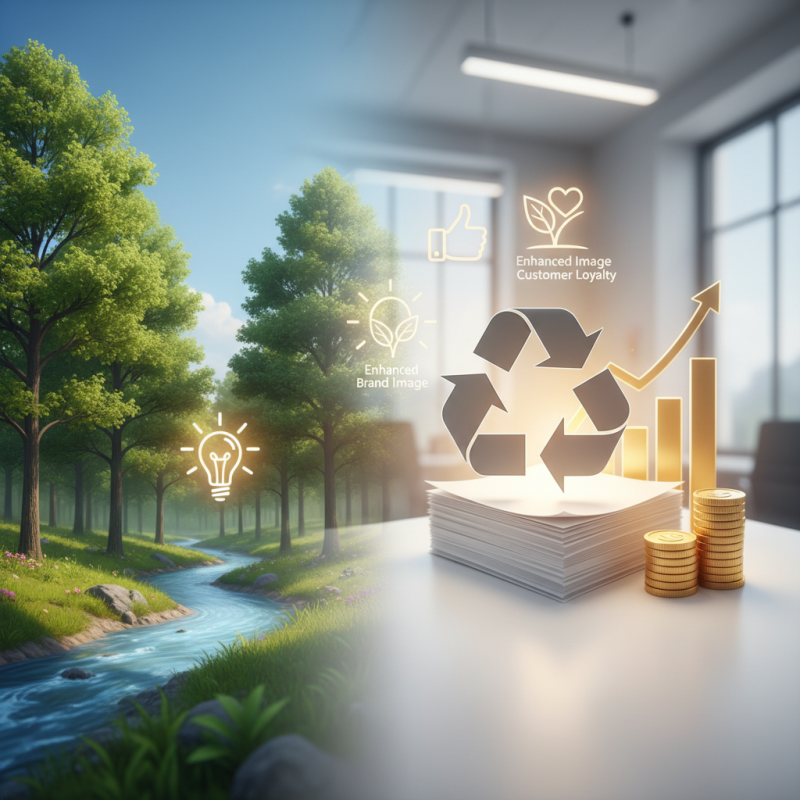
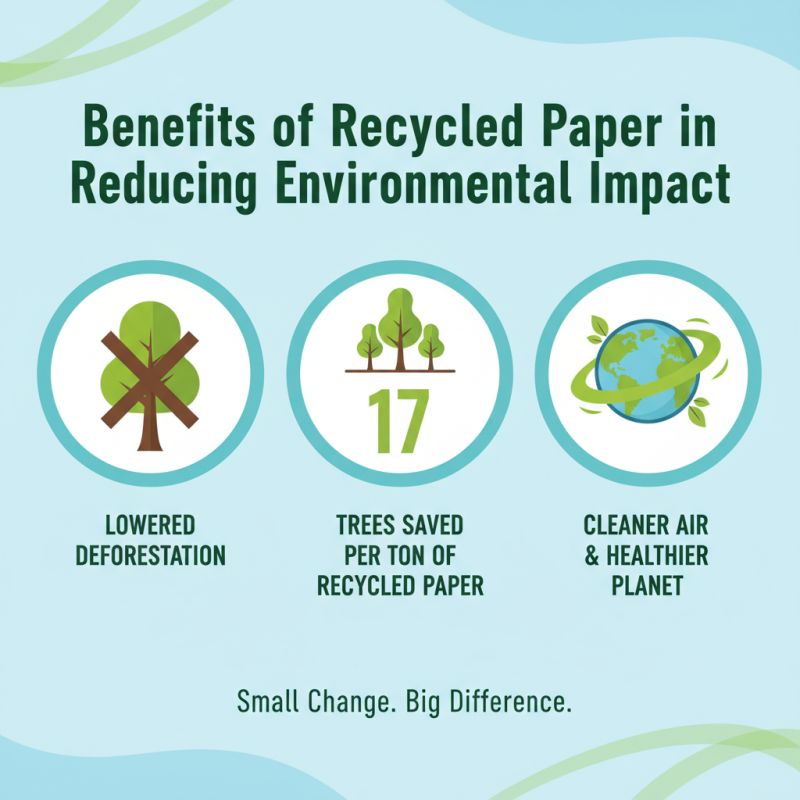
Benefits of Recycled Paper in Reducing Environmental Impact
Using recycled paper provides significant benefits in reducing environmental impact. By choosing recycled options, businesses can significantly lower deforestation rates. Every ton of recycled paper saves 17 trees. This is a small change that can make a big difference. More trees mean cleaner air and a healthier planet.
Moreover, recycled paper production requires less energy. It uses about 60% less energy than producing new paper. This reduction translates to lower carbon emissions. Companies can showcase their commitment to sustainability, which appeals to eco-conscious consumers. However, shifting to recycled paper may have challenges. Some businesses fear quality differences. It may take time to find suppliers that meet their needs.
It's essential to recognize that not all recycled paper is equal. Some contain more post-consumer waste than others. Businesses must research to ensure they select high-quality recycled products. This process can feel overwhelming, but the environmental benefits are worth the effort. A commitment to sustainability can enhance a brand's reputation and lead to a more responsible future.
Cost Savings Through the Use of Recycled Paper Products
The use of recycled paper products offers significant cost savings for businesses. According to the Environmental Protection Agency, recycling paper can save companies approximately 30% on their overall paper costs. This is particularly beneficial for small to medium-sized enterprises that operate on tighter budgets. When businesses opt for recycled paper, they can lower their operational expenses while still maintaining quality.
Additionally, the paper manufacturing process for recycled products consumes about 40% less energy compared to virgin paper. This energy-saving translates into reduced utility costs for businesses. A report by the Paper Industry Association indicates that using recycled paper can lead to a decrease in greenhouse gas emissions, ultimately having a positive environmental impact. Companies can advertise these eco-friendly practices, which can attract consumers who value sustainability.
However, transitioning to recycled paper products may come with challenges. Some businesses might face initial resistance from employees accustomed to traditional paper. Education and awareness are vital in overcoming these hurdles. Investing in recycled paper can yield long-term savings, but the shift requires thoughtful planning and execution. Recognizing these potential obstacles is important for businesses aiming to implement sustainable practices successfully.
Enhancing Brand Image and Consumer Perception with Sustainability
Consumers are increasingly prioritizing sustainable practices in their purchasing decisions. According to a Nielsen report, 66% of global consumers are willing to pay more for sustainable brands. This shift in consumer behavior creates an opportunity for businesses that embrace recycled paper. By incorporating recycled materials, companies can enhance their brand image significantly. Sustainable choices reflect a commitment to environmental responsibility, appealing to eco-conscious consumers.
Moreover, consumers often perceive eco-friendly brands as more trustworthy. A study by Cone Communications found that 87% of consumers would buy a product based on a company’s commitment to social and environmental issues. This perception can translate into stronger brand loyalty. However, not all brands effectively communicate their sustainable practices. Businesses must ensure transparency in their sustainability efforts to build genuine consumer trust.
Another important aspect is the potential challenges involved. Transitioning to recycled paper can come with quality concerns and higher initial costs. Some businesses might hesitate due to these factors. Yet, the long-term benefits often outweigh these challenges. Companies that effectively navigate these issues can position themselves as leaders in sustainability. By doing so, they can foster a positive consumer perception and create lasting brand loyalty.
Compliance with Environmental Regulations and Standards
Businesses face increasing pressure to comply with environmental regulations. Using recycled paper is an effective strategy for meeting these standards. According to research from the Environmental Protection Agency (EPA), recycling one ton of paper can save 3,700 pounds of timber. This statistic highlights the direct benefits of using recycled materials to reduce deforestation.
Many companies overlook compliance details when adopting recycled paper. Environmental standards, such as the ISO 14001 certification, require a commitment to sustainability. Implementing recycled paper supports adherence to these guidelines. It can also enhance a company's reputation. A study by the Paper and Paperboard Packaging Environmental Council shows that 78% of consumers prefer brands that practice eco-friendly initiatives.
Yet, challenges exist in changing long-standing practices. Employees may resist switching from traditional paper. Costs associated with sourcing recycled paper can also vary. Businesses must weigh these factors carefully. Nonetheless, the potential benefits in compliance and consumer perception make the transition worth considering.
Top 10 Benefits of Using Recycled Paper for Your Business
Utilizing recycled paper provides numerous benefits for businesses, from cost savings to enhanced compliance with environmental regulations. This chart illustrates the various advantages of adopting recycled paper, with scores reflecting the significance of each benefit.
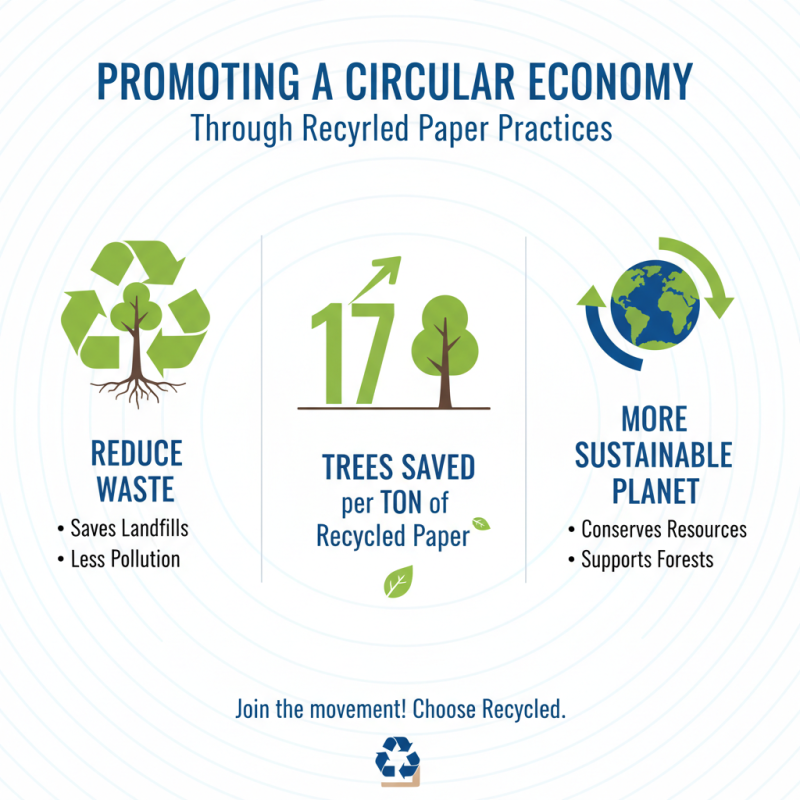
Promoting a Circular Economy through Recycled Paper Practices
Promoting a circular economy through recycled paper practices is crucial for businesses today. Using recycled paper not only reduces waste, but also saves trees. Each ton of recycled paper can save 17 trees, which is significant for our forests. By choosing recycled materials, companies can contribute to a more sustainable planet.
Customers appreciate eco-friendly practices. They value businesses that actively engage in environmental preservation. This positive perception can lead to increased brand loyalty. However, some may overlook the potential cost differences. While recycled paper can be more expensive, the long-term benefits often outweigh the costs. It's essential for companies to evaluate their purchasing strategies.
Transitioning to recycled paper can create challenges. Staff training may be required to ensure proper usage. It can be a learning curve for employees. Some may resist changing their habits. These hurdles provide opportunities for growth and reflection. Overall, the journey toward a circular economy is invaluable for future generations.