10 Essential Tips for Using A4 Paper Efficiently?
A4 paper is a staple in offices, schools, and homes. Its versatility makes it essential for various tasks, from printing documents to crafting. However, many people overlook how to use A4 paper efficiently. This oversight can lead to wasted resources and increased costs.
Understanding how to maximize A4 paper usage is crucial. Efficient use can save time and money. Small changes can have significant impacts. Proper planning and organization are necessary. For example, when printing, previewing documents helps catch errors. This step minimizes wasted sheets.
Additionally, learning to repurpose used A4 paper adds to efficiency. Some sheets can be reused for drafts or notes. Avoiding the immediate discard of imperfect prints benefits both the environment and budget. As we explore these essential tips, reflection on current practices will be valuable. Adopting efficient habits can transform how we engage with A4 paper.
Understanding A4 Paper Dimensions and Specifications
A4 paper is the most commonly used paper size worldwide. It measures 210 mm by 297 mm. This size is perfect for a variety of tasks, from printing documents to crafting. Understanding these dimensions helps users maximize efficiency.
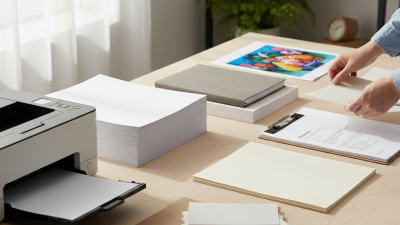
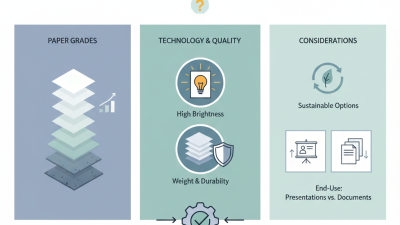
Many people overlook the importance of paper weight. A4 paper typically comes in weights like 80 gsm or 120 gsm. Heavier paper feels more professional but may jam in some printers. It’s essential to know your printer's specifications to avoid frustration.
Color and finish also affect usability. Glossy finish enhances images, but it smudges easily. Conversely, a matte finish provides a more classic look. Experimenting with different types helps clarify preferences. Keep in mind, not all A4 paper is created equal. Quality varies, impacting print results. Misprinting can lead to wastage and extra costs. Always invest in a reliable type that suits your needs.
Understanding A4 Paper Usage Efficiency
Optimal Paper Orientation for Different Printing Needs
When it comes to printing on A4 paper, the orientation can significantly impact efficiency and output quality.
Portrait orientation is ideal for documents with a linear textual layout.
Reports and essays typically benefit from this format. In contrast, landscape orientation suits
presentations and visual-heavy content. A study by the International Paper Association
highlights that choosing the right orientation can enhance legibility and reduce ink costs by up to 15%.
Understanding the nuances of orientation is vital. For instance, diagrams or wide tables perform best in landscape mode.
This usage can prevent awkward resizing and improve overall aesthetics. Correctly aligning content can save valuable time and resources.
Yet, many still neglect this aspect, leading to wasted paper and ink.
Tip: Always preview your document before printing. This initial step can reveal potential issues with margins and layout.
Another suggestion is to adjust printer settings according to your chosen orientation.
Misconfigured settings often result in unnecessary reprints. Adjusting these details can streamline your printing process and minimize errors.
As we embrace digital transition, reflecting on these factors remains crucial.
Techniques for Efficiently Organizing A4 Documents
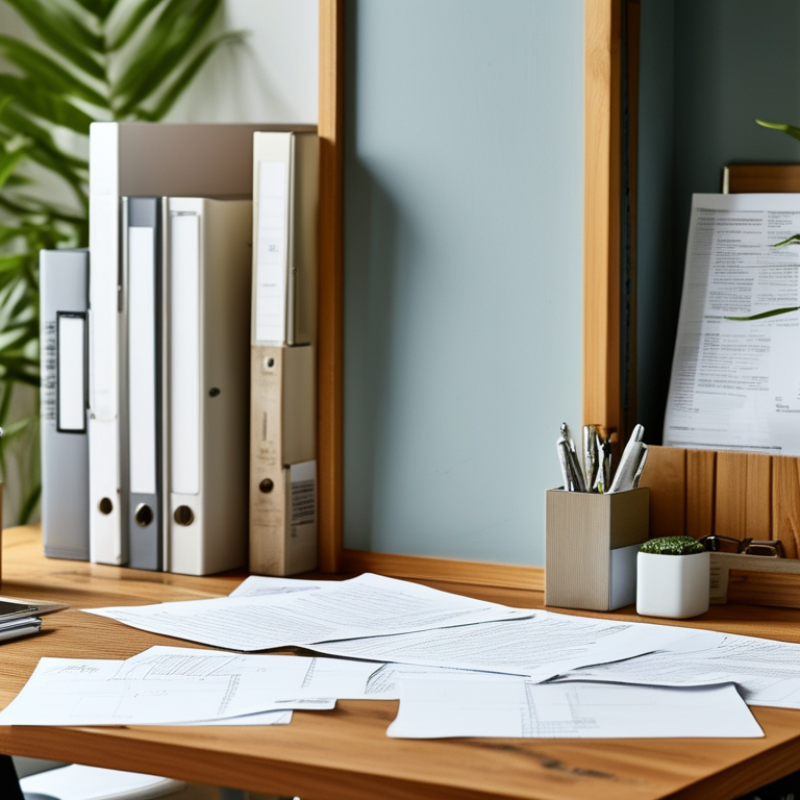
Efficiently organizing A4 documents can significantly enhance your productivity. Recent studies indicate that cluttered workspaces can reduce efficiency by up to 25%. Understanding this, one should focus on practical techniques. Start by categorizing documents into clear sections. Use color-coded folders or labels to make identification easier. This can help in saving time when searching for important papers.
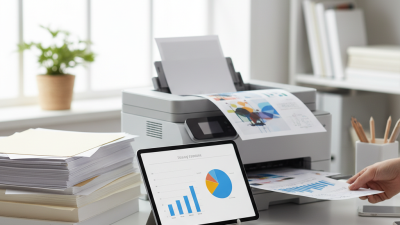
Digitization is another effective strategy. Scanning physical documents and storing them in the cloud can cut down on physical clutter. Research shows that businesses that implement digital solutions see a 30% increase in organizational efficiency. Regularly reviewing and purging unnecessary documents also plays a critical role. Many professionals hold onto outdated papers, which only adds to chaos.
Consider investing time in creating a systematic filing structure. A four-tier system can work wonders. Tier one includes immediate action items, while the last two can hold archived documents. A recent survey revealed that 40% of employees feel they waste time searching for misplaced documents. By refining your filing method, you can help mitigate these issues. Aim for simplicity and accessibility in your organization strategies.
Creative Uses for A4 Paper Beyond Printing
A4 paper is often seen as just a medium for printing. However, its versatility opens doors to various creative uses. While many people consume paper for documents, a 2021 survey showed that over 45% of respondents reported using paper for art and crafts, indicating a growing trend in innovative applications.
Repurposing A4 paper can be both fun and practical. For example, it's perfect for origami projects. Children and adults alike enjoy crafting animals and decorative objects from this simple paper. In offices, leftover paper can become notepads or unique scrapbook pages. These uses not only promote creativity but also help in minimizing waste, reflecting sustainable practices.
Interestingly, a report by the Paper and Paperboard Packaging Environmental Council found that recycling paper and cardboard can save over 24% of the energy used in producing new paper. Though these numbers are promising, many people still struggle to find new ways to use paper efficiently. Every creative project can lead to both success and learning experiences. Embracing imperfect attempts can inspire new ideas and remind us of the endless possibilities that A4 paper holds.
Best Practices for Recycling and Reusing A4 Paper
Recycling and reusing A4 paper is crucial in today's environmentally conscious world. According to the Environmental Protection Agency, recycling one ton of paper saves 17 trees, 7,000 gallons of water, and 4,100 kilowatts of electricity. Each time you recycle A4 paper, you contribute to conserving these valuable resources.
One effective practice is creating a paper reuse station. This can be a simple box where blank sides of printed sheets are collected. Studies show that about 45% of office paper can be reused before being recycled. Though many employees overlook this option, implementing a visible collection point can boost awareness and participation.
Moreover, businesses need to embrace a culture of mindful consumption. Encouraging employees to print on both sides reduces paper usage significantly. Yet, some offices still print excessively, leading to waste. Integrating habits like double-sided printing can reduce paper waste by up to 50%. This gradual shift requires consistent effort but is essential for meaningful change.