2026 How to Choose the Best Copy Paper for Your Needs?
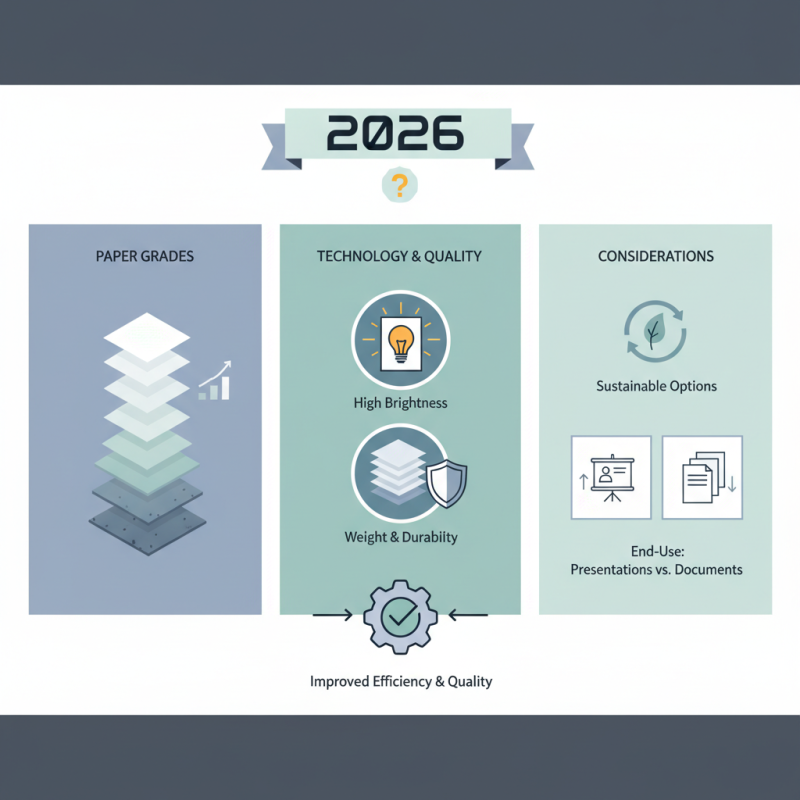
Choosing the right copy paper is essential for various printing needs. According to the Paper and Packaging Board, over 70% of office workers prioritize paper quality in their tasks. This statistic emphasizes the importance of understanding different paper types. There are various grades of copy paper available, ranging from basic to premium. Each grade offers distinct properties suited for specific uses.
With advancements in technology, modern copy paper is designed for optimal performance. High brightness levels improve print clarity, while weight affects durability. Not all papers are created equal. For instance, heavier paper weights can enhance the appearance of important documents. Additionally, the environmental impact of paper choices is becoming a significant concern. Sustainable options are increasingly popular, with many users looking for eco-friendly alternatives.
Before making a decision, consider the end-use. Will you print high-quality presentations or typical office documents? This choice will affect your selection. By understanding your specific needs, you can navigate the plethora of options available. Ultimately, the right copy paper improves efficiency and enhances the quality of your work.
Understanding Different Types of Copy Paper Available in the Market
When choosing copy paper, understanding the different types available is crucial. Not all paper is created equal. There are various grades of copy paper. Some are designed for everyday use, while others cater to specific needs like color printing or high-quality presentations.
For instance, standard copy paper typically has a brightness of around 92 to 96. However, for professional documents, a brightness of 100 or more may be preferred. A report by Smithers Pira shows that the demand for recycled paper has increased. This trend aligns with sustainability goals, as many businesses are now opting for eco-friendly options.
Another aspect to consider is weight and thickness. Copy paper usually ranges from 70 gsm to 100 gsm. Heavier paper feels more substantial and is often better for color printing. A research study indicated that using the right paper can improve print quality and reduce jams—issues that often lead to wasted time and resources. Choosing the correct type requires assessing these factors to ensure it meets your specific needs.
Evaluating the Paper Weight and Brightness for Your Specific Needs
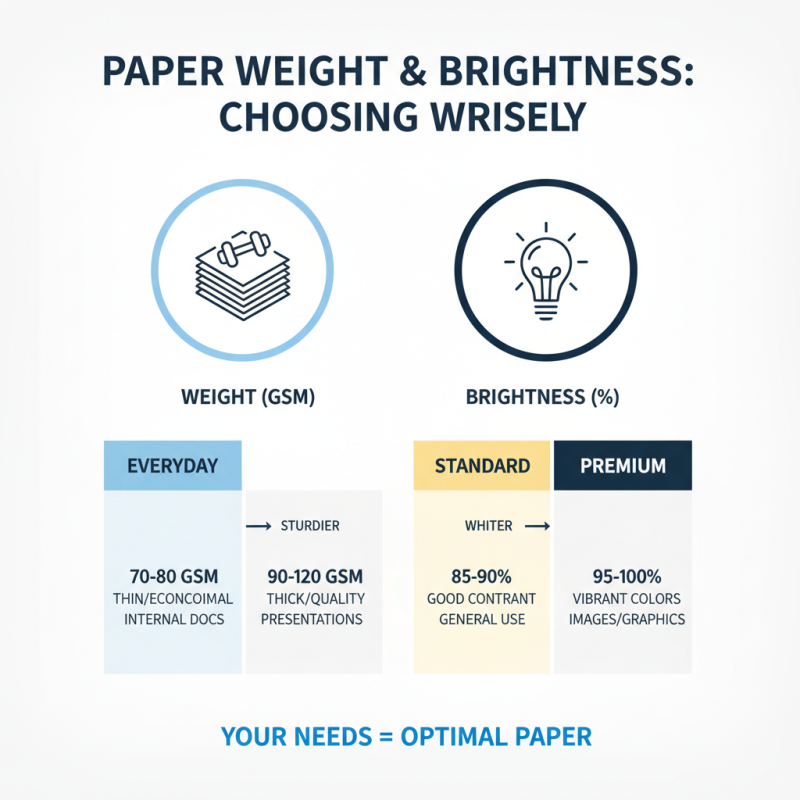
When choosing copy paper, two critical factors stand out: paper weight and brightness. Paper weight, measured in grams per square meter (GSM), affects the thickness and sturdiness. Lighter papers, around 70-80 GSM, are ideal for everyday printing. They are economical and work well for internal documents. Heavier options, like 90-120 GSM, are better for professional presentations. They convey quality and authority. Balancing these weights can be tricky depending on your needs.
Brightness is equally important. It affects how colors appear on the page. Papers rated between 90 and 100 brightness show vibrant colors and sharp text. However, higher brightness can sometimes lead to glare, making reading difficult. This may be surprising, but some tasks might benefit from lower brightness. A softer white can reduce eye strain during long reading sessions. Experimenting with different weights and brightness levels can lead to better printing results. Understanding these details ensures you're choosing paper that meets your specific requirements.
Considering the Finish: Matte vs. Glossy and Its Applications
Choosing the right copy paper involves understanding the finish.
Matte and glossy finishes offer distinct advantages and disadvantages.
Matte paper is often preferred for documents requiring a professional look. It is less reflective, making it easier to read.
Graphic designers frequently opt for matte finishes when printing brochures or reports.
Glossy paper, on the other hand, enhances color vibrancy. Images appear sharper and more vivid on glossy surfaces.
This finish is popular for photographs and marketing materials. However, glare can be a drawback, especially in brightly lit environments.
Readers may struggle to view text on glossy finishes, which can detract from the overall message.
Consider how you will use the printed materials. If the goal is to convey information clearly, matte may be the better choice.
If the focus is on aesthetics, glossy could be ideal. Reflect on your audience’s preferences as well, as this can impact your decision significantly.
The right choice depends on the balance between professionalism and visual appeal.
Assessing Environmental Factors: Recycled vs. Virgin Paper Options
When selecting copy paper, consider the environmental impact of your choice. The paper industry is a significant contributor to deforestation and greenhouse gas emissions. According to the Environmental Paper Network, producing one ton of virgin paper can emit around 1.4 tons of carbon dioxide. In contrast, recycled paper can greatly reduce this footprint, with reduced energy and water consumption during production.
Recycled paper options present several benefits. They often use fewer materials and produce less waste. Research indicates that recycling one ton of paper saves about 4,100 kilowatts of electricity and 7,000 gallons of water. This not only helps the environment but can also be cost-effective in the long run. Businesses adopting recycled options can showcase their commitment to sustainability, enhancing brand image.
Tips: When choosing paper, look for certifications like FSC (Forest Stewardship Council) or SFI (Sustainable Forestry Initiative). These labels ensure responsible sourcing. Measuring the balance between quality and sustainability is essential. Testing different recycled papers can yield insights into their performance for specific tasks. Remember, some users may find the texture or brightness of recycled paper different, so consider preferences carefully.
Environmental Impact of Recycled vs. Virgin Paper
Budgeting for Quality: Finding Cost-Effective Copy Paper Solutions
Choosing the right copy paper can be tricky. Budget constraints often dictate decisions. High-quality paper can improve print quality. But it usually comes at a higher cost. Finding a balance between affordability and quality is crucial. What if you could get better results without overspending?
Consider the weight and brightness of the paper. Standard copy paper typically weighs around 20 lb. But heavier options can enhance color vibrancy. Brightness levels affect how text stands out. Aim for a brightness rating of at least 90 for best results. While these factors can influence price, investing in good quality paper pays off in the long run.
However, it's essential to evaluate your specific needs. Are you printing reports, flyers, or everyday notes? Each use may require different paper attributes. Sometimes, lesser-known brands offer comparable quality at lower prices. Be open to experimenting; you might discover hidden gems. Reflecting on your priorities can lead to better purchasing decisions.
2026 How to Choose the Best Copy Paper for Your Needs? - Budgeting for Quality: Finding Cost-Effective Copy Paper Solutions
| Paper Quality |
Weight (GSM) |
Brightness |
Price per Ream |
Best Use Case |
| Standard |
80 |
92 |
$5.00 |
Everyday printing |
| Premium |
100 |
98 |
$8.00 |
Photographs & presentations |
| Recycled |
75 |
85 |
$6.50 |
Eco-friendly printing |
| Color |
80 |
92 |
$7.00 |
Color printing |
| Multipurpose |
75 |
90 |
$4.50 |
General use |