Top 10 Thermal Coating Paper Types for Global Buyers?
In the world of packaging and printing, "Thermal Coating Paper" has emerged as a vital component. Experts agree on its importance. Patrick Evans, a leading figure in the thermal coating industry, once said, "The right paper makes all the difference in thermal applications." This highlights the significance of understanding various thermal coating paper types.
Different types of thermal coating paper can cater to diverse needs. Buyers often face overwhelming choices. Selecting the right type requires awareness of performance, durability, and cost. It is essential to consider specific applications like labels, receipts, and packaging. Each category of thermal coating paper brings unique benefits and challenges.
Navigating the market can be complex. Every choice may impact production efficiency and sustainability. Some products may not perform as expected or have hidden costs. Buyers must reflect on their needs and priorities. Understanding the top ten thermal coating paper types can lead to better-informed decisions and increased satisfaction.
Understanding Thermal Coating Paper and Its Importance in the Market
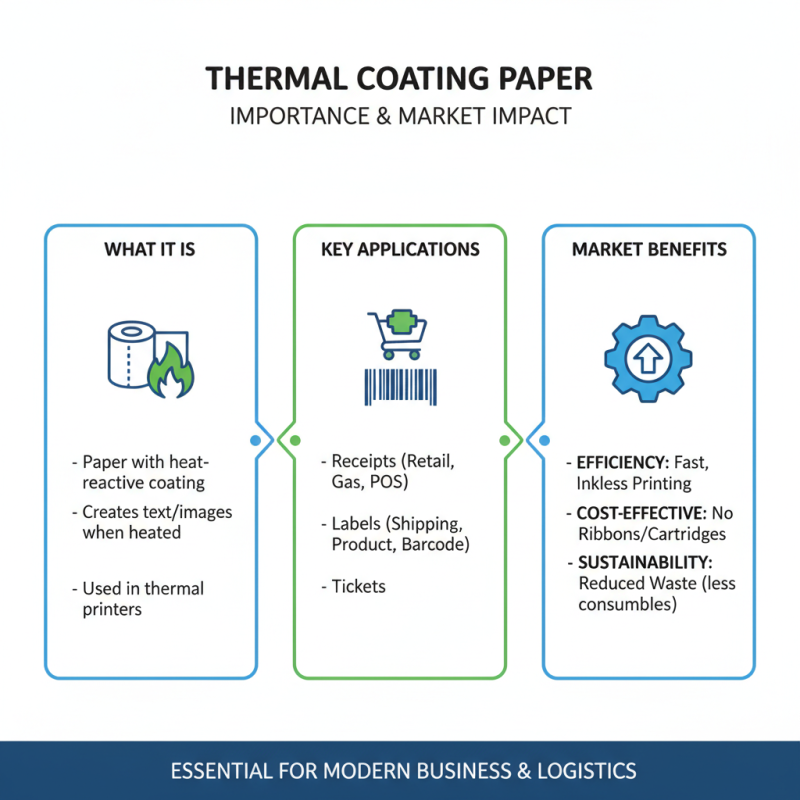
Thermal coating paper is essential in various industries, particularly for printing receipts and labels. This type of paper is coated with materials that react to heat. When a thermal printer applies heat, images and text appear clearly. The significance of thermal coating paper extends beyond mere printing—it influences efficiency, cost, and sustainability.
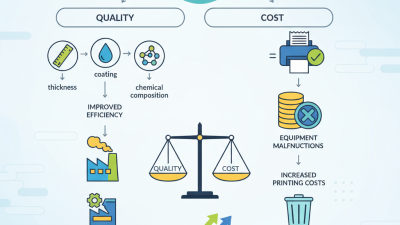
Buyers must recognize the various types of thermal coating paper available. Each type serves different purposes. For instance, some are designed for high-speed printing, while others focus on durability in harsh environments. Understanding these distinctions allows businesses to select the right paper for their needs. Yet, many buyers often overlook the importance of quality versus cost, leading to potential future inefficiencies.
Despite being a widely used material, the thermal coating paper market faces challenges. Issues like environmental impact and production consistency require attention. Buyers should reflect on their sourcing practices, questioning the sustainability of materials used. Being informed can lead to better choices and long-term benefits.
Types of Thermal Coating Paper: Key Characteristics and Applications
Thermal coating paper is essential in various industries due to its unique properties. The most common types include direct thermal and thermal transfer papers. Direct thermal paper relies on heat-sensitive coatings that change color upon exposure to heat. This type is often used in receipts and labels. In contrast, thermal transfer paper requires a ribbon for printing, making it more durable for long-lasting applications.
The global market for thermal paper is projected to reach $5.9 billion by 2026, according to industry reports. Users appreciate the high print quality of thermal transfer options. They often last longer and resist fading compared to direct thermal papers. Additionally, applications span across retail, logistics, and healthcare sectors.
However, not all thermal papers are suitable for every use. The choice of coating affects the thermal paper's environmental impact. For example, some coatings contain hazardous substances. Industry regulations are tightening, pushing for safer alternatives. Buyers must weigh performance against regulatory compliance. Understanding these nuances aids in making informed decisions while purchasing thermal paper.
Top 10 Thermal Coating Paper Types for Different Industries
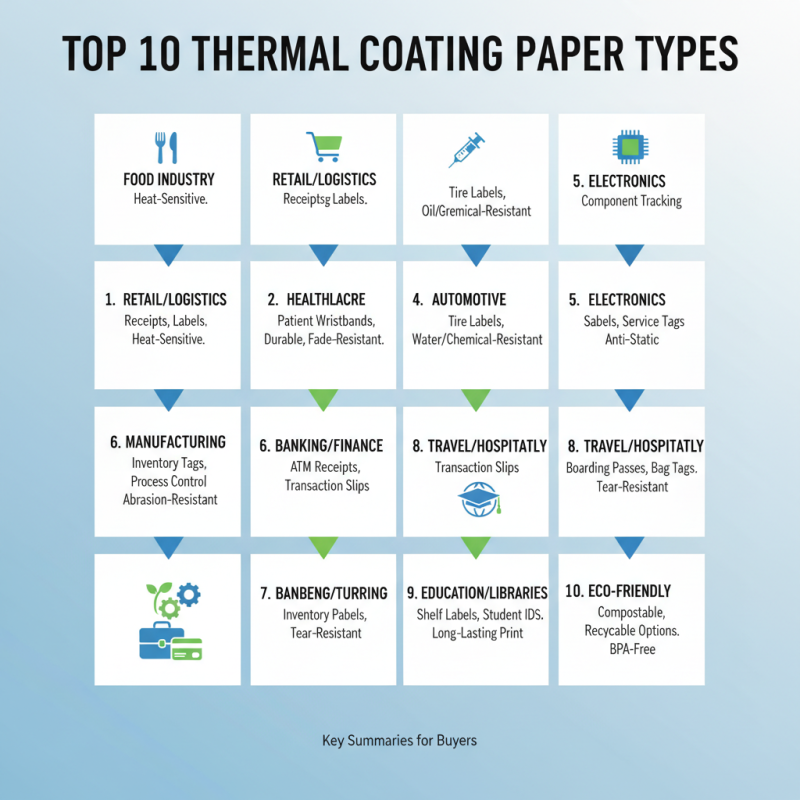
Thermal coating paper comes in various types, tailored for different industries. Each type serves specific functions, which makes understanding their differences crucial for buyers. The food industry often uses thermal paper for receipts and labels. This type ensures heat sensitivity, allowing printers to produce clear, quick results.
In the healthcare sector, medical-grade thermal paper finds its place. This paper often includes additional coatings to resist smudging and enhance legibility. The automotive industry also utilizes specialized thermal papers for storing critical information. These papers often have increased durability to withstand harsh environmental conditions.
There are challenges in selecting the right thermal coating paper. Not all papers provide the same level of performance, even within the same industry. Buyers may struggle with quality consistency, which impacts their operations. It's essential to conduct thorough research and sample different types before making a decision. Understanding these nuances can lead to better choices.
Factors Influencing the Choice of Thermal Coating Paper
When selecting thermal coating paper, various factors play a crucial role. The type of application significantly influences the decision. For instance, point-of-sale receipts require different durability than labels. Buyers need to understand the specific use cases. This helps in narrowing down suitable options.
Another important factor is environmental impact. Sustainable sourcing and recyclability are vital considerations nowadays. Many buyers prefer papers that reduce ecological footprints. Additionally, resistance to fading and smudging is essential. This attribute ensures that printed information remains legible over time.
Price remains a considerable concern, too. While cheaper options may seem appealing, they could sacrifice quality. Buyers must weigh cost against the performance and longevity of the thermal paper. Some users find themselves needing to replace low-quality options frequently. This creates additional costs and frustration. Balancing price with quality is an ongoing challenge.
Top 10 Thermal Coating Paper Types for Global Buyers
| Type of Thermal Coating Paper |
Thickness (Microns) |
Weight (g/m²) |
Temperature Resistance (°C) |
Application |
| Standard Thermal Paper |
80 |
70 |
80 |
Receipts, Labels |
| Topcoated Thermal Paper |
75 |
75 |
90 |
High-quality printing |
| Direct Thermal Label |
150 |
120 |
85 |
Product labeling |
| Thermal Transfer Paper |
200 |
140 |
75 |
Durable labels |
| Synthetic Thermal Paper |
100 |
90 |
70 |
Wet and oily environments |
| High-Quality Thermal Paper |
80 |
75 |
100 |
Luxury goods labels |
| Waterproof Thermal Paper |
120 |
100 |
95 |
Outdoor applications |
| Colored Thermal Paper |
85 |
70 |
80 |
Marketing materials |
| Economy Thermal Paper |
75 |
60 |
70 |
Basic receipt printing |
Tips for Selecting the Right Thermal Coating Paper for Your Needs
When selecting thermal coating paper, focus on several key aspects to meet your specific needs. Understanding the type of thermal coating paper available is essential. Different grades offer various temperatures and finishes, impacting print quality and durability. Consider which factors are most important—performance, price, or environmental impact.
Tips for selecting the right thermal coating paper include evaluating the intended application. If printing labels, ensure the paper offers strong adhesion and resistance to moisture. For receipts, opt for a type that provides clear, quick-drying prints. Another tip is to test small samples before committing to larger quantities. This helps identify any issues with compatibility or quality.
Additionally, pay attention to supplier reliability. A trustworthy supplier can provide consistent quality and customer support. Look for certifications that guarantee the product meets industry standards. Avoid choosing based solely on cost, as lower-priced options may compromise quality. Making informed decisions can save time and resources in the long run.
Top 10 Thermal Coating Paper Types for Global Buyers