How to Choose the Right Paper Receipt Rolls for Your Business?
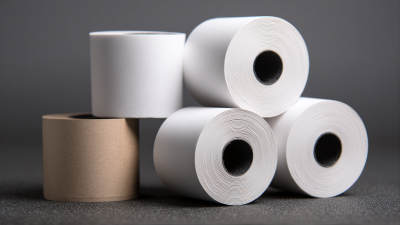
Choosing the right paper receipt rolls can significantly impact your business operations. Various factors come into play when making this decision. From the quality of the paper to the dimensions of the rolls, each element matters.
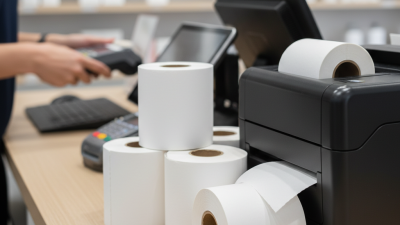
Paper receipt rolls varying in size and thickness can influence print clarity and durability. A well-made roll enhances customer experiences by ensuring legible receipts. On the other hand, poor-quality rolls can lead to smudged prints and frustrating transactions. It's vital to consider compatibility with your receipt printer. Checking specifications can save time and resources.
Many businesses overlook these details. They might choose cheaper options, thinking they will suffice. However, this could lead to additional costs down the line. Prioritizing quality over price can lead to long-term savings. Reflecting on choices can help improve your business efficiency. Ultimately, investing in the right paper receipt rolls can foster better customer relationships and smoother operations.

Understanding Different Types of Paper Receipt Rolls Available
When selecting paper receipt rolls for your business, understanding the different types is crucial. There are thermal rolls, bond paper rolls, and adds-on like security features.
Thermal rolls are popular for their ease of use and quick printing. They react to heat, producing sharp images without ink. However, they may fade over time, especially when exposed to heat or sunlight.
Bond paper rolls, on the other hand, offer a more durable option. They are less likely to fade and can withstand a variety of conditions. Many businesses prefer them for transactions that need to last longer. Yet, they require ink, which can increase maintenance costs.
It's essential to consider what your business needs. Do you want quick transactions? Or do you need the receipts to endure longer? Testing different types may lead to reflections on your choice. Remember, the right type not only supports your business operations but also enhances customer satisfaction. Each option has its pros and cons, which makes informed decision-making vital.
Factors to Consider When Choosing Paper Receipt Rolls for Your Business
Choosing the right paper receipt rolls is essential for any business. Several factors can affect this decision. One important aspect is the size of the rolls. Most standard rolls come in widths of 57mm to 80mm. It's crucial to match the roll size with your printer specifications to avoid any operational hiccups.
Another vital factor is the paper quality. Look for thermal paper that meets industry standards. Higher quality thermal paper ensures clear printing. According to industry reports, low-quality paper can result in smudged prints, affecting customer satisfaction. Approximately 30% of businesses face issues due to poor receipt legibility.
Additionally, consider environmental impact. Sustainable options are becoming increasingly important. A study indicated that businesses using eco-friendly paper can improve their brand image. However, the cost of green papers can be higher. Balancing these costs with benefits is essential for sustainable practices. Weighing these factors carefully can lead you to the right choice for your business needs.
Evaluating the Quality and Performance of Receipt Paper Rolls
When selecting receipt paper rolls for your business, focus on quality and performance. High-quality receipt paper enhances the customer experience. Quality can impact readability, durability, and printing speed. If the paper is too thin, receipts can tear or fade quickly, leading to customer dissatisfaction.
Consider the print technology your business uses. Thermal printers require specific paper types. The right paper ensures crisp, clear prints that resist smudging. Poor-quality paper may cause jams or misprints, disrupting service. Always evaluate roll size and compatibility with your printers. Misalignment can create delays.
Be aware of environmental factors. Some papers are treated with chemicals that may not be eco-friendly. This consideration is crucial for businesses aiming for sustainability. Review the source of your paper. Eco-conscious consumers appreciate businesses that prioritize sustainability. Reflect on your ongoing paper usage and its waste. Is there a better choice for your business?
Quality Evaluation of Receipt Paper Rolls
This bar chart evaluates various quality attributes of receipt paper rolls essential for businesses. The metrics include paper thickness, brightness, durability, print quality, and cost per roll. These factors are crucial in selecting the right receipt paper to ensure optimal performance and customer satisfaction.
Sustainability Considerations in Selecting Receipt Paper Options
When selecting paper receipt rolls for your business, sustainability should be a top priority. Most traditional receipt papers contain harmful chemicals like BPA. Choosing eco-friendly alternatives can significantly reduce your environmental impact. Biodegradable papers are a great option. These materials decompose more easily and lessen landfill burdens.
Additionally, consider the source of the paper. Look for options made from recycled content. This not only conserves natural resources but also promotes a circular economy. Certifications from reputable organizations add credibility. They ensure the paper meets strict environmental standards.
Yet, not all eco-friendly papers perform the same. Some might smudge or fade quickly. Businesses must balance sustainability with practicality. Evaluate how different options fit your specific needs. It’s important to ask questions, do research, and maybe test samples before committing. This approach fosters a more responsible and informed selection process.
Tips for Sourcing and Purchasing Paper Receipt Rolls Efficiently
When sourcing paper receipt rolls, efficiency is key. A study by the National Retail Federation reported that receipt management can impact customer satisfaction. Businesses should look for suppliers who provide reliable delivery and high-quality products. Quality plays a significant role in how well receipts hold up against varying conditions.
Another report from Smithers Pira indicates that receipts made from thermal paper often contain BPA. While BPA-free options are available, they may cost more. It’s crucial to weigh the benefits of safety against budget constraints. Additionally, sourcing from local suppliers can reduce shipping costs and delivery times.
Invoices and receipts affect cash flow directly. An accurate estimate based on past usage can prevent shortages or excess inventory. Businesses sometimes forget to track their typical usage. This oversight can lead to last-minute orders, which are often more expensive. Engaging with multiple suppliers can also create competitive pricing. Look for feedback from existing customers when selecting vendors.