Top 2026 Thermal Receipt Paper Options for Global Buyers
In the ever-evolving landscape of retail and services, thermal receipt paper plays a crucial role. Experts like Dr. Emily Chen, a renowned specialist in printing technologies, emphasizes its significance: “Quality thermal receipt paper can make a real difference in customer satisfaction.” This statement reflects the rising demand for high-quality thermal receipt paper among global buyers.
As businesses strive to optimize their operations, selecting the right thermal receipt paper is essential. Options vary in texture, sensitivity, and durability. Understanding these nuances can empower buyers to make informed choices. The right paper enhances not only print quality but also the overall customer experience.
However, challenges exist in the thermal receipt paper industry. Variability in paper quality and supplier reliability raises questions for buyers. It's important for businesses to conduct thorough research before making decisions. Only by understanding the nuances of thermal receipt paper can buyers ensure they meet their operational needs and customer expectations.

Top Global Manufacturers of Thermal Receipt Paper in 2026
The thermal receipt paper industry is evolving rapidly. By 2026, global demand is expected to witness significant growth, driven by advancements in point-of-sale technology. Reports suggest that the market could reach a value of over $4 billion, indicating a robust demand for quality products. Manufacturers are focusing on enhancing their production efficiency to meet this demand.
Leading manufacturers are investing in eco-friendly options. These alternatives not only meet consumer needs but also align with sustainability goals. Studies reveal that about 20% of consumers prefer environmentally friendly products. Yet, there remains a significant gap in awareness about the benefits of such materials, which calls for improved marketing strategies from producers.
Despite progress, challenges persist in the industry. Supply chain disruptions and fluctuating raw material prices are notable concerns. Many manufacturers are grappling with inconsistent quality standards, hindering their ability to compete. Continuous innovation and adherence to best practices will be vital for companies aiming to thrive in this competitive landscape. The drive for research and development is essential for creating superior products that meet modern consumer demands.
Key Features and Specifications of Premium Thermal Receipt Paper
When considering thermal receipt paper, several key features and specifications stand out in the premium segment. The quality of the base paper is crucial for optimal performance. It directly affects print clarity and durability. According to industry reports, a solid thermal paper should have a weight of around 50-70 grams per square meter. Thicker papers tend to produce sharper images and have better longevity, resisting fading over time.
Another significant factor is the thermal coating. Premium options offer high sensitivity, ensuring quick and crisp images upon printing. This results in less paper waste and improved transaction speeds. Recent studies indicate that papers with high thermal sensitivity can decrease waiting times at point-of-sale systems by as much as 30%. Additionally, buyers should be aware of environmentally friendly options. Many suppliers now provide BPA-free paper, which is a growing concern for businesses aiming to enhance their sustainability efforts.
It's important to remember that not all thermal receipt papers perform equally. Variability in texture and smoothness can lead to issues in printing. Some papers might jam in printers or produce uneven prints, which can frustrate users. Buyers should consider researching specific product reviews and testing samples before making a bulk purchase decision.
Top 2026 Thermal Receipt Paper Specifications
This chart illustrates key specifications for premium thermal receipt paper options available for global buyers, showcasing dimensions such as width, thickness, roll length, and core size.
Cost Considerations for Buying Thermal Receipt Paper Globally
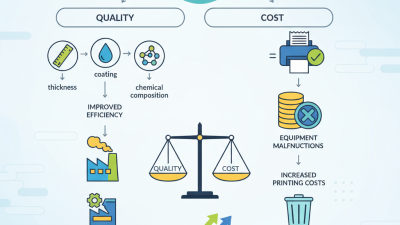
When considering global purchases of thermal receipt paper, cost plays a crucial role. The prices can vary significantly based on region and quality. According to a 2023 industry report, the price range for thermal papers typically falls between $0.03 to $0.10 per roll. In emerging markets, costs are often lower, but quality may also be compromised. Buyers must balance the price with the durability and printing quality of the paper.
Transportation fees can also complicate the overall cost structure. Shipping goods internationally adds another layer of expense. A study indicated that shipping costs can increase total procurement expenses by as much as 25%. Additionally, fluctuating exchange rates can impact the final cost. Buyers must factor in these variables to ensure they make informed purchasing decisions.
Research indicates that sustainable sourcing is becoming increasingly important. Many companies now seek eco-friendly options, even if they come at a higher price. The market for recycled thermal paper is growing. In 2022, about 20% of buyers prioritized sustainability over cost. However, this choice can lead to a trade-off between ethical considerations and budget constraints. Many still grapple with this confusion when placing bulk orders.
Sustainability Trends in Thermal Receipt Paper Production
In recent years, sustainability has become a focal point in thermal receipt paper production. As environmental concerns rise, manufacturers are increasingly adopting eco-friendly materials. Reports indicate that around 15% of the global thermal paper market now uses recycled content. This shift not only protects resources but also reduces waste significantly.
Moreover, innovations in digital printing technology are transforming the landscape. Recent studies show that digital solutions can decrease paper wastage by up to 30%. Companies are leveraging this to minimize their carbon footprint. However, there are challenges. The transition to sustainable practices demands upfront investment, which can be a major hurdle for smaller manufacturers. Balancing cost and sustainability remains a critical issue.
Another aspect to consider is the chemical treatment of thermal papers. Many traditional thermal papers contain BPA, raising health and ecological concerns. New alternatives, like BPA-free thermal paper, are emerging but often come with higher production costs. This requires dialogue within the industry to find economically viable solutions. The pursuit of sustainability in thermal receipt paper remains an ongoing challenge, yet the commitment to creating a greener future is increasingly evident across the sector.
Innovative Technologies Shaping the Future of Thermal Receipt Paper
The thermal receipt paper market is evolving rapidly, driven by innovative technologies. Recent reports indicate a projected market growth of over 7% annually until 2026. This growth is fueled by the increasing demand for eco-friendly and cost-effective solutions, showcasing the need for businesses to adapt.
Advanced manufacturing techniques are now being introduced. These technologies enhance the durability and print quality of thermal papers. For instance, the introduction of BPA-free thermal papers is notable. It reflects growing concern over health and environmental impacts. This shift aligns with global sustainability goals and consumer preferences.
**Tip:** When selecting thermal receipt paper, consider the environmental impact. Opt for products certified as eco-friendly.
Another area of innovation is digital printing technologies. These advancements reduce waste and streamline production. However, not all companies are equipped to implement such technologies effectively. Gaps in knowledge and resources may hinder progress for some suppliers.
**Tip:** Always assess the technical capabilities of your suppliers. A robust supply chain can ensure quality and reliability.
As the market adapts, buyers must remain vigilant. Technology can be a double-edged sword. While many innovations promise efficiency, they also require careful evaluation. Staying informed is critical to making the right choices in this evolving landscape.