Top 10 Benefits of Using Thermal Papers for Your Business
The use of Thermal Papers in businesses is rapidly growing. Experts like Dr. Emily Carter, a leading authority on printing solutions, emphasize their importance. She states, "Thermal Papers enhance efficiency and reduce costs, making them ideal for various applications."
Businesses can benefit immensely from Thermal Papers. They offer quick printing speeds and don’t require ink, reducing overall expenses. This means that businesses can save money while increasing productivity. The easy-to-store nature of Thermal Papers also simplifies inventory management.
However, it’s crucial to consider some drawbacks. While Thermal Papers are cost-effective, they may not be suitable for archival purposes due to fading over time. Businesses should weigh these pros and cons carefully. Proper use of Thermal Papers can lead to notable improvements in operations. Balancing their advantages with potential limitations is key to making the most of this technology.

Advantages of Thermal Papers for Business Operations
Thermal papers play a vital role in modern business operations. One significant advantage is their efficiency. According to a report by MarketsandMarkets, the thermal paper market is expected to reach $4.1 billion by 2026. This growth highlights the increasing reliance on thermal technology in various industries. Companies save time and resources using these papers for printing receipts, labels, and tickets.
Another benefit is cost-effectiveness. Businesses often face high printing costs, especially with traditional ink and toner. Thermal paper eliminates these expenses. It requires no ink, thus reducing the overall expenses associated with printing. A survey by Smithers Pira indicates that using thermal paper can lead to a 30% reduction in printing costs.
Quality is another area that deserves consideration. While thermal papers are convenient, they can degrade over time. This degradation can lead to unreadable receipts. Companies must ensure they use high-quality thermal papers to maintain clarity. Balancing cost and quality requires careful selection. Additionally, businesses should evaluate their operational needs continuously. Adapting to new products is essential for long-term success.
Enhanced Printing Efficiency and Speed with Thermal Technology
Thermal printing technology revolutionizes the way businesses operate. It enhances both printing efficiency and speed. Businesses can save time and resources by choosing thermal papers. This system bypasses traditional ink and toner, reducing printing costs significantly.
One critical advantage is that thermal printers can produce high-quality prints quickly. They are perfect for environments where speed is essential, like warehouses or retail stores. With minimal warm-up time, these printers are ready to go when you need them. They are also compact, fitting seamlessly into small workspaces.
Tips for using thermal papers effectively include keeping the printer clean to avoid smudging. Regular maintenance can extend the life of your printer. Additionally, proper storage of thermal rolls in a cool, dry place is crucial. On the other hand, checks on environmental factors like humidity can help maintain print quality. Recognizing these details can prevent common pitfalls and enhance your printing experience.
Top 10 Benefits of Using Thermal Papers for Your Business
Cost-Effectiveness of Thermal Papers Compared to Traditional Options
Thermal papers are gaining popularity in various industries due to their cost-effectiveness. Businesses today seek ways to reduce expenses while maintaining efficiency. Traditional ink-based printing methods often incur high costs associated with ink cartridges and maintenance. In contrast, thermal papers require fewer consumables, making them an economical choice.
Using thermal papers can significantly lower printing costs. The absence of ink means no need for frequent replacements. This is beneficial for companies that print numerous receipts or labels daily. Furthermore, thermal printers require less maintenance, which reduces service fees over time. A business can save money by choosing a thermal solution without sacrificing quality.
However, there are aspects to consider. The shelf life of thermal papers can be shorter than traditional printing options. Exposure to heat or sunlight may impact quality. It's essential to store these papers correctly to avoid waste. Balancing these factors can lead to more informed decisions. Ultimately, weighing the pros and cons of thermal papers can help businesses maximize their resources effectively.
Durability and Longevity: Why Thermal Papers Last Longer
When considering the longevity of thermal papers, it's essential to recognize their durability. These papers are designed to withstand various environmental factors. Studies have shown that thermal papers maintain their print quality for years, often outperforming traditional paper options. A 2022 industry report indicated that thermal papers can retain their legibility for up to 10 years if stored properly. This makes them ideal for businesses that require long-lasting documentation.
To ensure the longevity of your thermal papers, keep them in a controlled environment. Avoid exposure to direct sunlight or excessive heat. Moisture can also lead to degradation. Use airtight containers for storage. This tip can significantly extend the lifespan of thermal prints. Additionally, consider the quality of the printer and ink used. Using high-quality machines contributes to better durability.
While thermal papers offer many advantages, users must acknowledge potential issues like fading over time if not cared for correctly. Data from industry research also highlights that improper storage can lead to color shifting. Businesses should conduct regular checks on their stored documents. Staying informed about best practices enhances the reliability of thermal papers in any professional setting.
Environmental Benefits of Using Thermal Papers in Business Practices
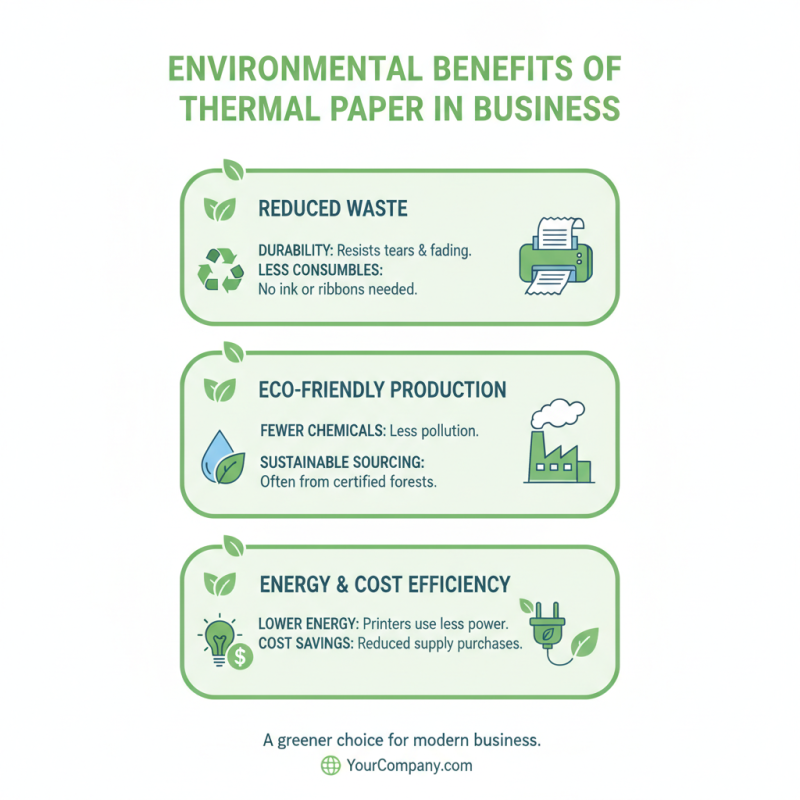
Thermal paper offers a range of environmental benefits, making it an ideal choice for modern businesses. This type of paper reduces waste due to its durability. Unlike traditional papers, thermal paper doesn't require additional ink. The production process for thermal paper often uses fewer chemicals, resulting in reduced pollution.
Most thermal papers are recyclable, supporting environmental sustainability. They also contribute to energy savings during manufacturing. Businesses can lower their carbon footprint by choosing thermal paper. However, some thermal papers contain BPA, raising concerns about safety. It's vital to select BPA-free options when available. While thermal paper presents many advantages, organizations should stay informed about the potential drawbacks. Making the right choices promotes a greener environment for everyone.