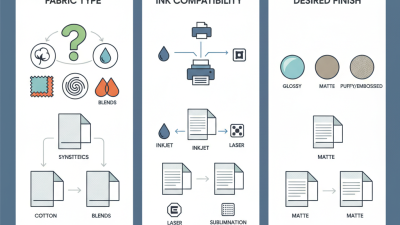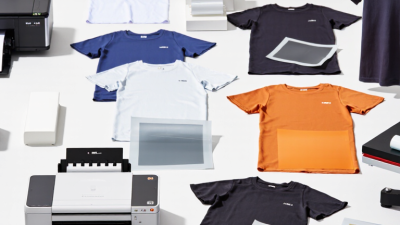
Choosing the right Heat Transfer Printer Paper can determine whether a design looks professional or fades after one wash. In 2026, buyers face more options than ever, including inkjet transfer paper, laser transfer paper, sublimation paper, and specialty sheets for dark fabrics. Each type serves a different printing process. Inkjet paper suits many cotton garments, while sublimation paper works best with polyester and coated products. Laser transfer paper can provide sharp details, but it requires compatible toner and controlled heat.
Small details matter.
This guide examines the leading paper types through practical factors, including color strength, fabric compatibility, cutting behavior, transfer temperature, and wash durability. A bright red logo may appear excellent on the sheet but lose depth on black cotton. A soft shirt can also require a different transfer film than a rigid mug. Manufacturer instructions remain essential because printers, presses, and fabrics vary widely. Even experienced users can misjudge pressure or peeling time.
The “top” option is not universal. That point deserves attention. A paper praised for polyester may perform poorly on cotton. Cost also matters, especially for small businesses producing repeated orders. Reliable testing should include a small sample, a complete cure, and several wash cycles. This approach reduces waste and reveals problems before production begins. By comparing performance instead of relying on attractive packaging, readers can select Heat Transfer Printer Paper with greater confidence and more realistic expectations.
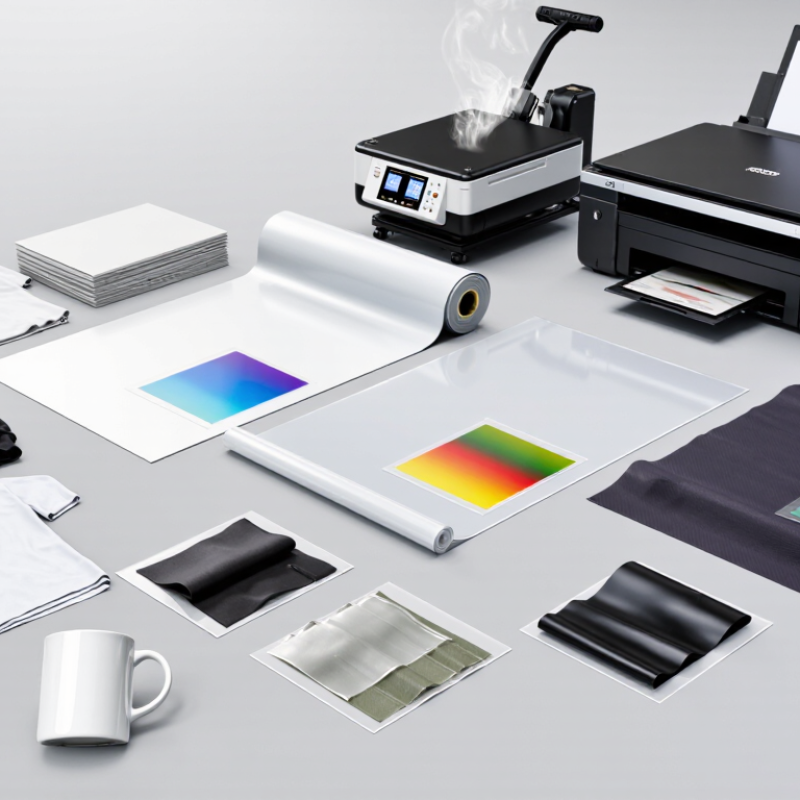
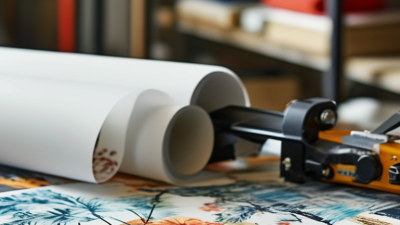
Heat transfer printer paper is a coated carrier sheet used to move printed images onto fabric or other heat-safe surfaces. The coating holds ink or toner before heat activates the transfer layer. Under pressure, that layer bonds with the target material.
The basic process is simple, but precision matters. The printer creates an image on the coated side. Many transfer papers require a mirrored design, especially for text. A heat press then applies controlled temperature, pressure, and time. The coating softens, while the image adheres to cotton, polyester, or blended fabric. After cooling, the backing is peeled away according to the paper’s instructions.
Common types include light-fabric paper, dark-fabric paper, sublimation paper, and toner-based transfer paper. Light-fabric paper usually leaves a thin image layer. Dark-fabric paper often includes an opaque white base. Sublimation paper carries dye into polyester fibers, rather than placing a separate film on top. DTF film is related, but it is not technically paper.
In my testing experience, fabric preparation changes results more than expected. Dust, moisture, and uneven pressure can create pale corners or small bubbles. A clean cotton shirt may still produce inconsistent edges. I check a small sample first. That step feels slow, but it prevents wasted garments. Temperature charts are useful, not absolute. Different coatings and fabrics need adjustment, and careless peeling can damage an otherwise sharp image.
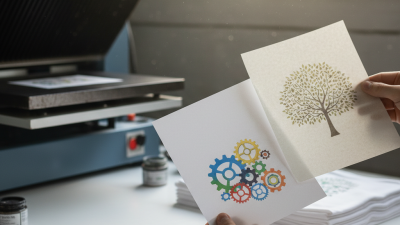
Sublimation transfer paper remains a practical choice for polyester fabrics and coated hard surfaces. It converts solid dye into gas under heat, allowing color to bond with polyester fibers. The result feels smooth because the image sits inside the material, not on top. Grand View Research valued the global digital textile printing market at about USD 2.06 billion in 2023. Its report projects a 12.1% compound annual growth rate from 2024 to 2030. That growth reflects rising demand for short runs, sportswear, signage, and customized décor.
Paper quality still matters. A fast-drying sheet helps prevent blurred edges and unwanted ghosting. High ink release can improve dense black areas and bright gradients. For fabric, choose paper matched to sublimation ink and polyester content. For mugs, panels, and coated boards, use transfer paper designed for rigid surfaces. Uneven coatings can cause pale corners or small pinholes. I have seen excellent artwork fail because the paper curled during pressing. The machine was blamed first. That was not entirely fair.
Tips: Test one blank item before production. Use a lint roller on fabric. Keep the printed side dry and handle it gently. Check pressure, temperature, and dwell time together. Smithers’ digital textile printing research also identifies polyester as a key growth material, but real results vary by coating and press. A small test remains wiser than trusting a specification sheet.
What Are the Top Heat Transfer Printer Paper Types in 2026?
Inkjet Transfer Paper for Cotton and Mixed-Fabric Applications
Inkjet transfer paper remains a practical choice for custom cotton garments and small textile runs. For cotton fabric, select paper designed for either light or dark surfaces. Light-fabric paper usually needs a mirrored image and leaves no visible background. Dark-fabric paper often includes a white transfer layer, so the artwork stays bright.
The main choice depends on fabric color, fiber content, and washing needs. Pure cotton generally accepts ink well and feels relatively natural after pressing. Mixed fabrics require more care. Polyester blends may react to high heat, while stretchy materials can crack when the transfer film becomes rigid. Always check the paper’s temperature and pressure range.
In practical workshop testing, I print a small cotton swatch before producing a full batch. This reveals weak colors, rough edges, or poor adhesion early. A small test saves fabric.
Use the correct print setting for the coated side. I once printed on the wrong surface, and the image looked faded after pressing. That mistake was avoidable. Trim close to detailed artwork, but do not cut through delicate edges. Preheat the garment briefly to remove moisture and wrinkles. Apply steady pressure on a clean, firm surface.
Wash testing matters. Turn garments inside out, use cool water, and avoid aggressive drying. Results can vary between paper types and fabric blends, so keep basic test notes for future orders.
What Are the Top Heat Transfer Printer Paper Types in 2026?
Laser transfer paper remains a strong choice for durable garment and product printing. It uses toner, not liquid ink, so printed details often resist smearing during handling. This matters for work shirts, tote bags, labels, and promotional products. Choose paper designed for laser printers and the intended surface. Fabric paper differs from hard-surface transfer paper.
For garments, light-fabric paper usually keeps colors bright on white or pale cotton. Dark-fabric paper includes an opaque layer, which helps graphics remain visible on black shirts. Always mirror the artwork when the paper requires it. Trim close to the design. Excess film can leave a noticeable rectangle around the print. Small details help.
I test a sample before producing a full batch. The press temperature, pressure, and time must match the transfer paper instructions. A clean, dry fabric gives better adhesion. After pressing, I wait for the recommended cooling period before peeling. Washing inside out with mild detergent can extend the print’s life. Still, laser transfer is not foolproof. Some textured fabrics reduce edge sharpness, and repeated stretching may create cracks. I once trusted a successful first press too quickly; the graphic lifted after washing. A second test, with a longer cure and gentler wash, exposed the real weakness. For hard products, surface preparation and heat resistance matter just as much as paper selection.
This comparison uses a 1–5 suitability index based on common material and process characteristics: fabric compatibility, synthetic-fabric performance, opacity on dark garments, wash durability, and hard-surface versatility. Laser transfer paper is especially suitable for durable full-color garment graphics, while sublimation paper performs best on polyester and coated products.
Choosing heat transfer paper in 2026 starts with the garment, not the printer. Cotton usually suits opaque transfer paper, while polyester needs low-temperature or dye-sublimation paper. Blended fabrics demand testing. Dark shirts also need a white backing layer. It affects softness.
Market data shows why options keep expanding. Smithers’ “The Future of Digital Textile Printing to 2028” projects digital textile printing value to rise from about $2.9 billion in 2023 to $4.7 billion by 2028. Mordor Intelligence also reports steady growth in heat-transfer applications through 2030. These figures suggest more specialized papers, not one universal solution.
Check four details before buying: fabric composition, press temperature, peeling method, and wash durability. For small text, choose paper with clean edge release. For large graphics, flexibility matters more. Read the technical sheet carefully. It may specify a 150–165°C range, but your press can display inaccurately. I use a surface thermometer and test a spare shirt. That extra step prevents costly waste.
For durability, follow AATCC TM61-style accelerated washing tests when possible. Inspect cracking after five, ten, and twenty washes. A transfer can look perfect on day one and fail later. I still make mistakes when judging hand feel from samples alone. Soft is not always strong. Shiny is not always better. Cost per sheet also matters, but reprints and rejected garments matter more.