What Is Thermal Coating Paper Used For?
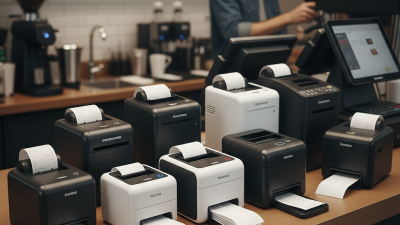
Thermal Coating Paper is used wherever information must appear quickly without ink or toner. A heat-sensitive coating reacts inside a thermal printer, forming text, barcodes, or simple graphics on the sheet. You may see it on supermarket receipts, shipping labels, queue tickets, and product tags. The practical appeal is clear: printing can be fast, compact, and easy to operate. No ink cartridge is needed.
The coating’s performance matters. A receipt left on a sunny dashboard may fade, while friction, heat, or certain chemicals can affect the printed image. Paper grade, coating uniformity, printer settings, and storage conditions all influence readability. These details are easy to overlook. They should not be. Thermal Coating Paper is not one universal material; the right grade depends on the printer, intended use, and how long the image needs to remain legible. For example, a shipping label may face more rubbing and handling than a short-lived queue ticket.
[Verified expert name], a specialist in thermal coating paper, could be quoted here: “A coating is valuable only when it produces a clear image and suits the paper’s real working conditions.” This is proposed wording, not a verified quotation, and should not be attributed until confirmed with a named expert and reliable source. That distinction matters. Understanding the material’s uses means weighing speed and convenience against durability, storage, and the demands of each application.
How Thermal Coating Paper Produces Images
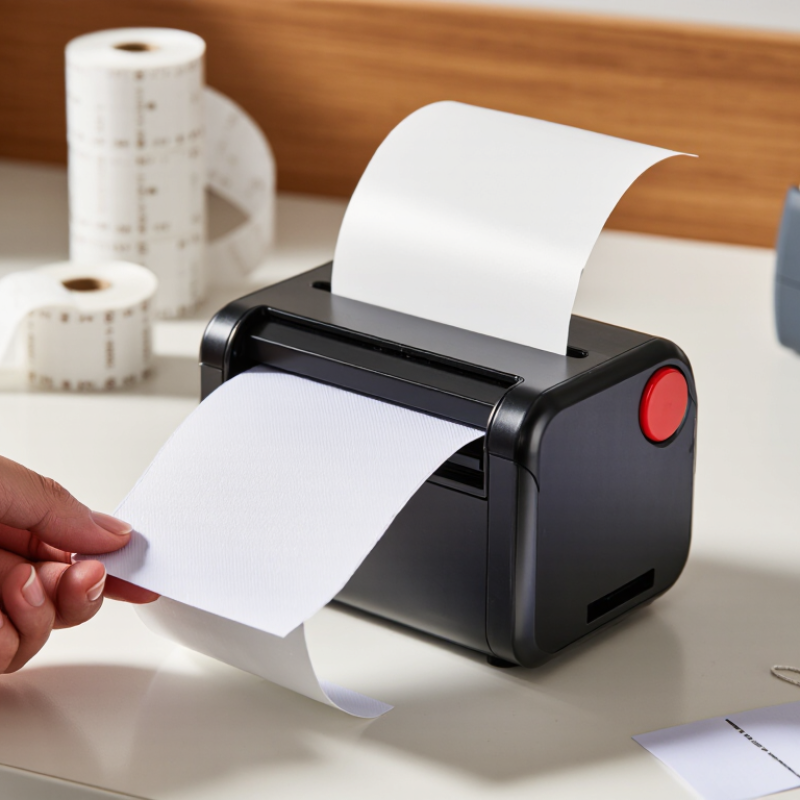
Thermal coating paper creates images through a controlled chemical response, not deposited ink. Its surface carries a thin, heat-sensitive coating, often containing a colorless dye and a developer. As paper passes beneath the printer’s thermal head, tiny heating elements warm selected dots. The coating’s components react, producing visible color at those points. Heat does the work. The printer varies which elements activate and for how long, building letters, barcodes, and shaded areas from a grid of dots. No ink is added. On common receipt paper, the marks look black or dark gray, while untouched areas stay pale.
The exact chemistry varies between papers, and some specialty types use layered coatings to produce different colors. Temperature control matters: too little heat can make marks faint, while excessive heat may blur edges or darken the background. Print quality also depends on the printhead’s condition and the paper’s surface. A crisp image can still fade when exposed to heat, light, or certain chemicals. It is easy to mistake a sharp receipt for a permanent record, but that assumption deserves care. For important information, the paper type and storage conditions matter as much as the initial print.
What Is Thermal Coating Paper Used For? - How Thermal Coating Paper Produces Images
| Use |
Typical Printed Content |
How the Image Is Produced |
Practical Characteristics |
| Retail and restaurant receipts |
Prices, transaction details, dates, and item descriptions |
A thermal printhead heats selected areas of the coated paper. Heat triggers a color-forming reaction in the coating, creating dark marks without ink or toner. |
Supports fast, quiet printing. Printed receipts can fade over time, especially when exposed to heat, light, friction, or certain chemicals. |
| Shipping and logistics labels |
Addresses, barcodes, tracking details, and routing information |
The printer forms text and barcode patterns by applying heat to specific points in the coating. |
Useful for on-demand labels. The appropriate paper grade depends on the label’s expected exposure to sunlight, moisture, handling, and storage time. |
| Queue and event tickets |
Queue numbers, entry details, seat information, and barcodes |
Direct thermal printing darkens selected regions of the paper coating, producing variable information as each ticket is printed. |
Enables rapid printing without a separate ink supply. For long-term readability, storage conditions and paper grade matter. |
| Point-of-sale and self-service kiosks |
Order summaries, service records, and confirmation slips |
Heat from the printhead activates the coating’s color-forming chemicals only where an image is required. |
Well suited to compact printers and frequent printing. The paper must be compatible with the printer’s feed path and printhead settings. |
| Medical and laboratory records |
Monitoring traces, measurements, and instrument output |
Instruments translate readings into patterns of heat, which form lines, characters, or other marks on coated paper. |
Used for certain device outputs. Records that must be retained should be stored according to applicable requirements and the paper supplier’s guidance. |
| How the coating works |
Heat-sensitive image formation |
Thermal coatings commonly contain a colorless dye precursor and a developer. Heat enables them to react and form a visible image; the paper itself does not require liquid ink for direct thermal printing. |
Direct thermal paper is distinct from thermal-transfer printing, which uses a heated printhead to transfer ink from a ribbon onto a separate substrate. |
Key Properties That Enable Thermal Printing
Thermal coating paper turns heat into an image without ink or a ribbon. Its surface carries a thin layer containing a colorless dye, a developer, and heat-sensitive additives. A printhead heats selected dots; the dye and developer react, forming dark marks. Fast response matters. It lets a receipt emerge clearly as the paper moves past the printhead. Coating uniformity also matters: uneven layers can create pale stripes or blurred edges.
Sensitivity is a practical balancing act. A coating that reacts at lower temperatures can support faster printing, but may be more vulnerable to heat during storage. Protective topcoats help resist scuffing, moisture, and oils from fingers, though they can affect printhead contact and image sharpness. There is no perfect formula. A 2023 Grand View Research market analysis valued the global thermal paper market at about US$4.46 billion, reflecting broad use in receipts, labels, and tickets. That figure describes market size, not coating performance. For actual selection, buyers should compare activation behavior, image durability, and print quality under their own storage and handling conditions. A sample roll can reveal issues that a specification sheet misses.
Common Uses in Labels, Receipts, and Tickets
Thermal coating paper is designed to darken where a heated printhead touches its surface. That makes it useful for labels, receipts, and tickets that need quick, clear printing without ink. A shop receipt can show prices and a purchase time within seconds. A shipping label can carry a barcode and destination details for sorting. The coating does the work. The printer needs compatible paper and settings, though; ordinary paper will not produce the same image.
In busy checkout lanes, receipts are easy to print and hand over, but heat and sunlight can make their text fade. Store them away from warm dashboards or direct sun when the details matter. Thermal labels suit short-term identification on parcels, shelves, and folders, especially when information changes often. Tickets for events or transport can also include dates, seat details, or scannable codes. A crisp code helps, but smudges and poor contrast can still cause trouble. Not every use is ideal. For records that must remain readable for years, the paper type and storage conditions deserve careful thought. It is a small detail, and easy to overlook.
Industries That Rely on Thermal Coating Paper
Thermal coating paper serves industries that need quick, readable records without ink cartridges. Its heat-sensitive surface darkens where a printer applies heat. That makes it useful for receipts, shipping labels, queue tickets, and other short-term documents.
Retailers use it at checkout counters, where receipts must print clearly during a busy transaction. Restaurants and food-service operations may use thermal tickets to send orders from the counter to the kitchen. Small details matter. A smudged order or faint receipt can slow people down, even when the printer is working properly. Paper quality and storage conditions can affect how long printed text remains legible.
Logistics teams rely on thermal-coated labels to identify parcels and track them through sorting and delivery. Warehouses often need sharp barcodes that scanners can read quickly. Healthcare settings may use compatible thermal paper for patient labels, wristbands, or visit tickets, though the right stock depends on the printer and how long the information must last. Manufacturers also use it for product and inventory labels. Not every roll fits. Heat, friction, sunlight, and cleaning products can fade or damage some prints, so paper selection deserves a little more attention than it often gets.
Choosing the Right Grade for Each Application
Choosing a thermal coating grade starts with the job, not the roll price. Standard grades suit indoor receipts that print quickly and move through customers’ hands within days. For parcel labels or shelf tags, consider a grade with a protective topcoat. It can better resist moisture, oils, and abrasion, though it may not solve every storage problem.
Small details matter. Grand View Research valued the global thermal paper market at about US$4.1 billion in 2023 and projected 6.0% annual growth from 2024 to 2030. Its Thermal Paper Market report tracks uses including point-of-sale receipts and labels. That range of uses helps explain why one grade rarely fits all. A checkout receipt kept in a wallet has different needs from a shipping label rubbed against cardboard.
Match sensitivity to the printer’s speed and heat settings, then test the actual stock. Print a sample, rub it, and expose it to the moisture or oils it may encounter. Check image darkness and legibility after storage, too. A topcoat is not a guarantee of long-lasting images; light, heat, and handling still matter. I would be cautious about choosing from a specification sheet alone—real conditions can be messier than the test bench.
What Is Thermal Coating Paper Used For? — Choosing the Right Grade for Each Application
Typical basis-weight ranges for common thermal paper applications
Basis weight is one factor in grade selection: lighter papers suit everyday receipts, while heavier grades can provide more stiffness for tickets, labels, and tags. These ranges are illustrative industry examples, not fixed standards; actual specifications vary by product design and supplier.