How to Choose the Best A4 Paper for Your Business Needs?
Choosing the right A4 paper for your business is crucial. It influences the quality of your documents and presentations. A4 paper comes in various weights, textures, and finishes. Each type serves different purposes, from printing simple reports to high-quality marketing materials.
Understanding your business needs is essential. You may require paper that is durable for frequent handling. Alternatively, you may want something elegant for client presentations. Consider the weight of the A4 paper; heavier paper often feels more professional. The finish, whether matte or glossy, can affect the document's appearance and functionality.
Reflecting on your options is necessary. Sometimes, the cheapest A4 paper may not meet your quality needs. Investing in higher-quality paper can enhance your brand's image. Finding the right balance between cost and quality is essential. Your choice of A4 paper can significantly impact your business's communication.
Understanding A4 Paper Sizes and Specifications
Understanding A4 paper sizes and specifications is crucial for any business. A4 paper measures 210mm by 297mm, making it the standard in many countries. It is widely used for printing, copying, and writing. Each ream usually contains 500 sheets. However, the weight and thickness of A4 paper can vary significantly.
Most businesses opt for 80gsm (grams per square meter) paper. Studies show that 80gsm provides a good balance between quality and cost. Thicker papers like 120gsm can be used for brochures and presentations, giving a more professional feel. On the flip side, lighter papers like 70gsm may save costs but can lead to issues like bleed-through when printing.
Tip: When selecting A4 paper, consider what you need it for. For everyday printing, 80gsm is often sufficient. For high-quality prints, invest in thicker options. Also, always check the printer specifications. Not all printers handle thicker papers well.
In conclusion, being informed about A4 paper sizes and specifications can influence your business's professional image. Accurate paper choice can reflect on your brand’s attention to detail. Regular evaluations of your paper use can lead to cost savings and improved quality.
Evaluating Paper Weight and Thickness for Business Use
When selecting A4 paper for business use,
weight and thickness are crucial factors. Paper weight typically ranges from 60 to 300 grams per square meter (gsm).
A lighter weight, like 75 gsm, is adequate for everyday printing.
However, if your documents require a more professional feel, consider options around 90-120 gsm.
These weights provide sturdiness and durability, impressing clients during presentations.
Thickness is closely related to weight. It affects how the paper feels in hand and how it processes through printers.
Thicker paper often leads to better color reproduction and less bleeding,
which is essential for marketing materials. While thicker paper enhances quality, it can lead to paper jams in some printers,
a detail worth considering. Not all printers handle every thickness well, so testing is advisable.
Choosing the right paper isn't solely about specifications. Factors like the purpose of the document and
the visual impact desired play significant roles. Balancing between cost and quality is often tricky.
Over time, businesses might realize that cheaper options lead to dissatisfaction.
Ultimately, refining your choice based on weight and thickness can make a subtle yet powerful impression.
Exploring Different Types of A4 Paper Finishes and Textures
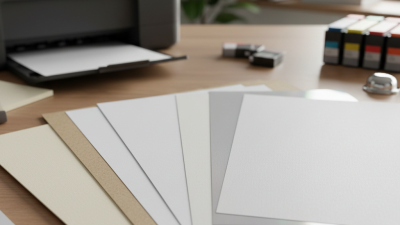
When selecting A4 paper, the finish and texture can significantly impact your projects. A glossy finish gives documents a vibrant look. It's ideal for marketing materials and promotional brochures. In contrast, a matte finish offers a more subdued elegance. This texture prevents glare and is better for professional reports.
Choosing the right texture also matters. Smooth paper works best for printing images. It ensures clear and sharp visuals. However, textured paper, such as linen or felt, can add a tactile element to your documents. This can create a memorable experience for your clients.
Here are some tips. Consider your target audience when choosing finishes. They affect how your message is received. Test different textures to see how they feel. Sometimes, a paper’s appearance might not translate well into professionalism. Balance attractiveness with functionality to ensure it meets business needs.
Assessing the Impact of Paper Color on Branding and Presentation
The color of A4 paper plays a significant role in branding and presentation. Research shows that colors can influence perception. According to a study by The Institute for Color Research, 93% of purchasing decisions are based on visual appearance. When businesses choose paper color, they should consider the psychological impact. For instance, blue conveys trust, while yellow can evoke cheerfulness. The paper color can enhance or detract from the message.
White paper is commonly used for professional documents. It offers a clean, neutral backdrop, ensuring text readability. However, a more colorful approach can differentiate your business. For example, using pastel shades can enhance marketing materials. A study by the University of Southern California found that colored paper can increase reader engagement by 47%. It stimulates interest and can make content more memorable.
Despite the benefits, the wrong paper color could send conflicting messages. Bright colors may seem unprofessional in certain contexts. Choosing the wrong shade could overshadow your branding efforts. Some businesses struggle with this balance. Investing in paper color testing could be worthwhile. Understanding your audience is key. Tailored choices can lead to better communication and improved brand perception.
How to Choose the Best A4 Paper for Your Business Needs? - Assessing the Impact of Paper Color on Branding and Presentation
| Paper Color |
Brightness |
Opacity |
Weight (g/m²) |
Best Use Cases |
| White |
90+ |
High |
80 |
Professional Documents, Letters |
| Cream |
80-90 |
Medium |
90 |
CVs, Personal Letters |
| Pastel Blue |
85 |
Medium |
75 |
Creative Projects, Presentations |
| Gray |
75-80 |
High |
100 |
Formal Reports, Proposals |
| Yellow |
80 |
Medium |
70 |
Marketing Flyers, Handouts |
Selecting Eco-Friendly A4 Paper Options for Sustainable Practices
Choosing eco-friendly A4 paper is essential for sustainable business practices. Many options are available, but not all are created equal. Look for paper made from recycled materials. This helps reduce deforestation and conserves natural resources. Also, check for certifications like FSC or PEFC. These labels ensure responsible sourcing and ethical production.
Consider the overall lifecycle of the paper. How is it produced? What is its environmental impact? Some papers may feel good but have a questionable environmental footprint. Reflect on your choices. Are you just following trends or genuinely committed to sustainability? Evaluate the long-term benefits of using eco-friendly options. They often offer the same quality but with peace of mind.
Ultimately, the choice of A4 paper can reflect your company’s values. Each sheet matters. While premium options are tempting, ask yourself: Is it worth the ecological cost? Striving for sustainability is a continuous journey. Stay informed and make decisions based on reliable information, not just marketing.
Choosing the Best A4 Paper for Your Business Needs
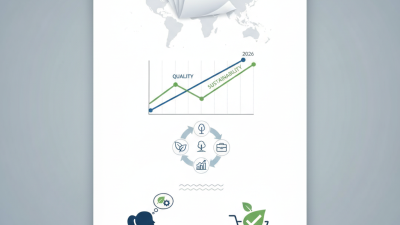
This chart illustrates the preferences for different types of A4 paper among businesses, highlighting the growing trend towards eco-friendly and recycled options as part of sustainable practices.