Top 10 Uses of Thermal Paper Rolls You Should Know?
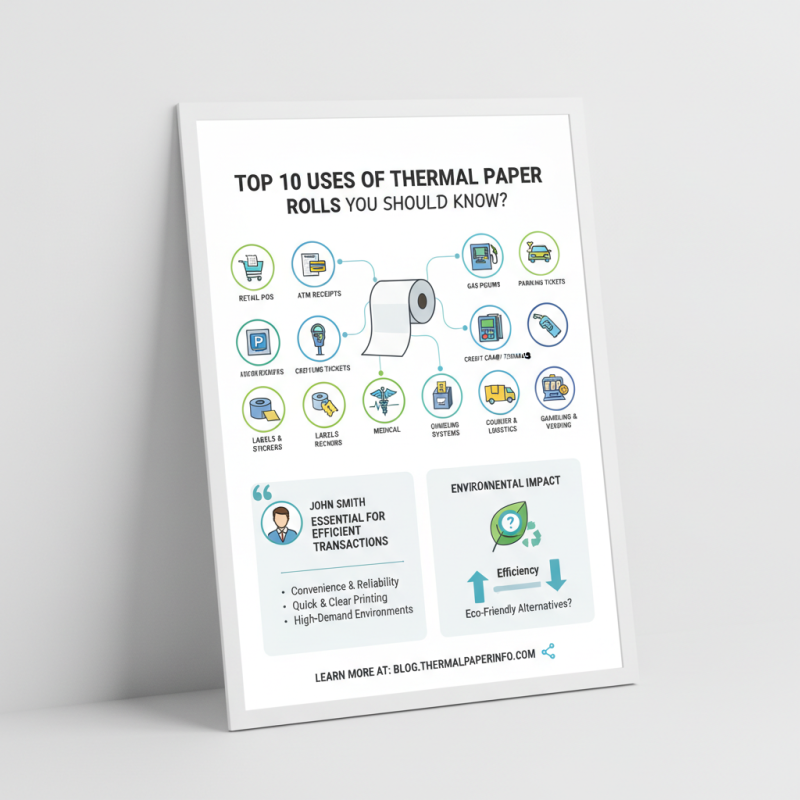
In today's fast-paced world, the use of Thermal Paper Rolls has become increasingly significant. John Smith, an industry expert recognized for his insights on printing technology, states, "Thermal Paper Rolls are essential for efficient transactions." This simple yet vital material supports various sectors, from retail to healthcare.
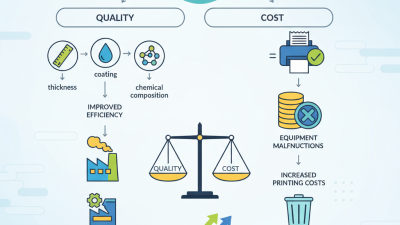
Thermal Paper Rolls are synonymous with convenience and reliability. They ensure quick and clear printing, particularly in high-demand environments. Imagine bustling retail stores, where every second counts. Here, Thermal Paper Rolls help speed up transactions, minimizing customer wait times. Yet, not all rolls are created equal. Users sometimes overlook quality, leading to print issues and wasted resources.
Understandably, some may question the environmental impact of these products. While they are crucial for many applications, there is an ongoing debate regarding sustainability. As businesses continue to rely on Thermal Paper Rolls, exploring eco-friendly alternatives should be a priority. The need for balance between efficiency and environmental consciousness is ever-present.
Understanding Thermal Paper Rolls: An Overview
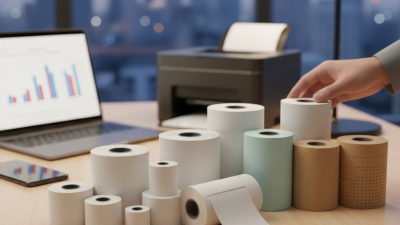
Thermal paper rolls are fascinating items that play a key role in many industries. They are used primarily in printing applications. Their unique thermal coating allows for instant printing without the need for ink or ribbons. This feature makes them ideal for high-speed environments like retail and banking.
According to a recent industry report, the global thermal paper market is projected to reach over $3 billion by 2024. This growth is driven by the demand for point-of-sale receipts, labels, and tickets. For instance, around 70% of thermal paper is consumed by the retail sector alone. However, this creates a challenge. Not all thermal papers are eco-friendly. Many contain harmful chemicals like BPA, which raise health concerns.
Despite their convenience, thermal papers can sometimes print poorly. Issues like fading or smudging can arise. These challenges remind us that while technology simplifies tasks, there are still areas that need improvement. Understanding the balance between efficiency and safety is crucial for users and providers alike.
Common Applications in Retail and Point of Sale Systems
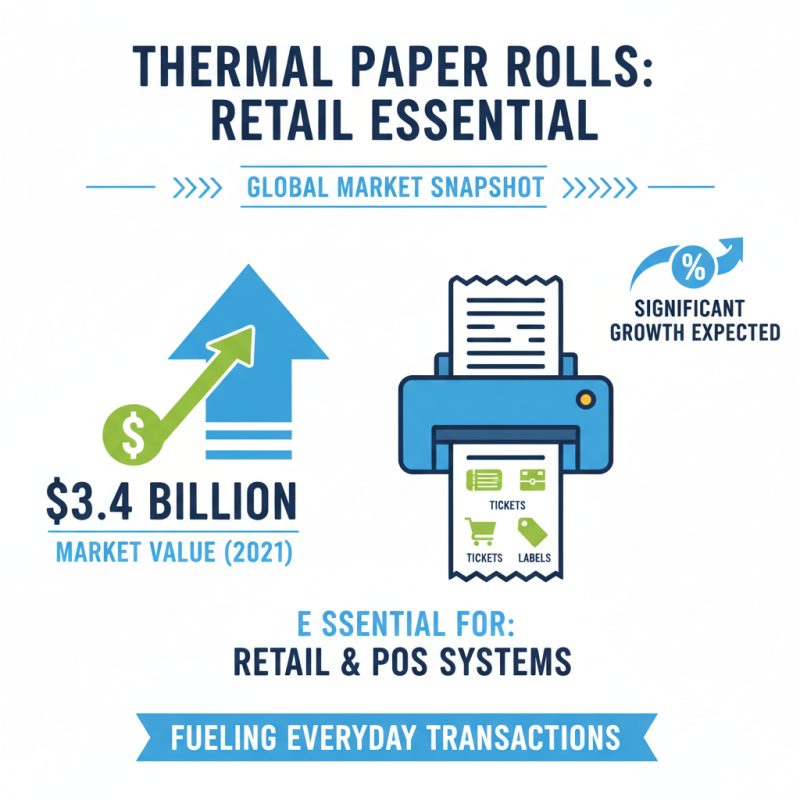
Thermal paper rolls have become essential in retail and point of sale (POS) systems. They are widely used for printing receipts, tickets, and labels. According to a market research report, the global thermal paper market was valued at approximately $3.4 billion in 2021 and is expected to grow significantly. This underscores the importance of thermal paper in everyday transactions.
Retailers benefit greatly from using thermal paper. It enables fast printing, which enhances customer experience. Transactions are completed quickly, leading to shorter wait times. Despite its benefits, some retailers face issues with print quality. Ink can fade if the paper is not stored properly. A recent survey showed that about 15% of retailers reported problems related to print durability.
POS systems are also evolving, relying heavily on thermal paper for efficient operation. Some systems now integrate digital solutions alongside traditional thermal printing. This can introduce technical problems, where older systems may not be fully compatible. Although innovation is crucial, it adds complexity. Retailers must balance technology with reliability.
Thermal Paper in Ticketing and Transportation Services
Thermal paper rolls are crucial in ticketing and transportation services. They provide an efficient way to print tickets for various modes of transport. Buses, trains, and amusement parks rely on them. The bright white surface enhances visibility. Clear printing helps prevent disputes among passengers.
Consider the tips below. Always store thermal paper in a cool, dry place. Heat or moisture can damage the quality. Test your printer frequently. This ensures the output remains sharp.
When using thermal paper, check if the roll fits correctly. A poorly aligned roll can lead to jams. This often results in wasted time and resources. Redundant issues can impact customer satisfaction. Always have backup rolls ready. It’s a small investment for smooth operations.
Top 10 Uses of Thermal Paper Rolls in Ticketing and Transportation Services
Uses in Medical and Healthcare Environments
Thermal paper rolls play a crucial role in medical and healthcare settings. These rolls are used for printouts of vital patient information. According to a recent industry report, about 30% of hospitals utilize thermal printing systems for their day-to-day operations. The quick fade of printed text on thermal paper raises concerns about long-term data preservation.
In diagnostic environments, thermal paper is essential for printing test results. Medical professionals rely on this technology for immediate access to patient data. The American Health Information Management Association suggests that over 50% of healthcare practitioners prefer thermal paper for its ease of use. However, the limited shelf life of the printed material may lead to potential issues in record-keeping. Health documents must often be reprinted for future reference, raising questions about efficiency.
Moreover, in pharmacies, thermal paper helps create labels for prescriptions. Pharmacists quickly print dosage instructions and patient information on these labels. However, the environmental impact of disposing of thermal paper has been criticized. Some studies indicate that thermal paper contains BPA, which could pose health risks. Thus, while its uses are significant, the potential downsides should be carefully reviewed by healthcare providers.
Top 10 Uses of Thermal Paper Rolls in Medical and Healthcare Environments
| Use Case |
Description |
Benefits |
| Patient Records |
Printing patient's medical histories and records for quick reference. |
Enhances accessibility and speed of information retrieval. |
| Prescription Labels |
Creating labels for medications prescribed to patients. |
Improves accuracy in medication dispensing and tracking. |
| Appointment Reminders |
Sending patients reminders about their upcoming appointments. |
Reduces no-show rates and enhances patient attendance. |
| Test Results |
Printing lab test results for patients and healthcare providers. |
Facilitates timely communication of health information. |
| Insurance Claims |
Documents for filing insurance claims for patient treatments. |
Streamlines the claims process for quicker reimbursements. |
| Health Insurance Cards |
Printing temporary health insurance cards for new patients. |
Helps new patients receive immediate medical services. |
| Medical Billing |
Generating bills for patients after consultations or treatments. |
Improves billing accuracy and patient satisfaction. |
| Patient Surveys |
Collecting feedback from patients about their healthcare experiences. |
Enhances service quality through direct patient input. |
| Barcode Labels |
Printing barcodes for equipment tracking and inventory management. |
Improves efficiency in inventory control processes. |
| Consent Forms |
Printouts for patients to sign consenting to procedures or treatments. |
Ensures legal compliance and patient understanding of procedures. |
Innovative Applications in Marketing and Promotions
Thermal paper rolls play a crucial role in innovative marketing and promotions. Retailers often use these rolls for coupons and receipts, ensuring that customers have tangible reminders of their shopping experience.
A recent survey showed that 80% of consumers are more likely to use a coupon when they receive it immediately after their purchase. This immediacy drives engagement and boosts sales.
Interactive marketing strategies are also evolving. Some businesses incorporate QR codes on thermal receipts. This allows customers to access promotions and offers instantly. According to industry research, utilizing digital links in printed materials can increase customer interaction by 15%. However, not all brands leverage this potential effectively, and many miss the chance to enhance customer relationships through engagement.
Moreover, the environmental impact of thermal paper cannot be ignored. While it serves an important function, the production process often involves harmful chemicals. Companies must reflect on their choices and consider sustainable alternatives. Balancing marketing benefits with environmental responsibility remains a challenge in the industry. The connection between effective use of thermal paper and sustainable practices is an ongoing conversation worth having.