Top Ultrasound Paper Options for Global Buyers?
The ultrasound paper market has witnessed significant evolution over the last decade. According to a recent report by Market Research Future, the global ultrasound imaging market is projected to reach $9.4 billion by 2027, with ultrasound paper playing a vital role in supporting this growth. Despite technological advancements, the demand for high-quality ultrasound paper remains critical in medical practices.
Dr. Emily Zhang, an esteemed expert in medical imaging, emphasizes, "Quality ultrasound paper significantly impacts diagnostic accuracy." This statement highlights an ongoing concern in the industry—ensuring that the quality of ultrasound paper meets the evolving needs of healthcare professionals. Potential buyers must carefully assess their options when selecting ultrasound paper, as it directly affects imaging clarity and patient care outcomes.
However, navigating through various products can be challenging. Many brands claim high standards, but discrepancies often arise in real-world applications. As healthcare continues to adapt, the ultrasound paper industry must also reflect these changes. Buyers should seek reliable sources and thorough evaluations to make informed choices. Being aware of these nuances can enhance both purchase satisfaction and patient diagnostic experiences.

Top Ultrasound Paper Options for Global Buyers
When it comes to selecting ultrasound paper, global buyers have several important options. The choice of paper affects image quality and the longevity of records. High-quality ultrasound paper ensures that images are clear and easy to read. Consider the thickness and brightness of the paper. Thicker paper often yields better results.
Tips: Look for papers that have been tested for compatibility with various ultrasound machines. This compatibility ensures that you will not face issues with ink durability or image clarity.
Another consideration is environmental sustainability. Eco-friendly options are gaining popularity. They use recycled materials and create less waste. However, these options may vary in durability compared to traditional papers. Researching and comparing these factors is crucial.
Tips: Check for certifications that verify the paper's eco-friendliness. This will help you make a more informed decision.
Additionally, think about storage. Some papers have specific requirements for storage conditions. Humidity and temperature can affect their quality. Ensuring proper storage can prevent future issues with legibility. Exploring user reviews from various healthcare facilities can provide valuable insights.
Market Overview: Current Trends in Ultrasound Paper Utilization
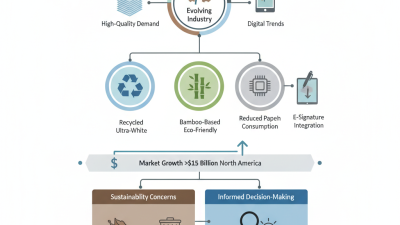
The utilization of ultrasound paper has seen significant trends globally. Hospitals and clinics increasingly favor high-quality paper for echocardiograms and obstetric imaging. This preference stems from the need for clear and durable images that aid in accurate diagnostics. The demand for reliable ultrasound paper is growing, aligning with advancements in imaging technology.
However, various challenges persist in the market. Not all ultrasound paper types are compatible with the latest ultrasound machines. Quality can vary significantly, leading to inconsistencies in image clarity. Buyers need to be aware of the importance of sourcing paper that meets specific technical requirements. A lack of standardization can create confusion.
Healthcare professionals are also exploring eco-friendly options. Sustainability is becoming a priority, prompting shifts toward recyclable materials. Yet, sourcing such products can sometimes compromise image quality. Finding the right balance between environmental responsibility and clinical efficacy proves difficult. Awareness and education in this area are essential for informed purchasing decisions.
Technical Specifications: Essential Features of Quality Ultrasound Paper
When selecting ultrasound paper, focus on essential features ensuring quality and reliability. The paper’s sensitivity is critical. It must capture clear images, providing accurate diagnoses. Pay attention to the thickness. Thicker papers usually offer better durability and resistance to tears.
Another vital aspect is the resolution. High-resolution papers deliver sharper images, which enhance interpretative accuracy. Consider the chemical composition too. Papers with suitable coatings resist smudging and fading, preserving image integrity over time. Compatibility with various ultrasound machines is important. Ensure the paper fits your specific device to avoid operational issues.
While many options exist, not all meet high standards. Some papers may not adhere well during printing. This can lead to misalignment. It’s crucial to evaluate a few brands before making a choice. Check for consistency in performance. Sometimes, a paper might work well initially but fails over time. This inconsistency can lead to frustrations in clinical settings. Prioritize reliability to avoid such setbacks.
Top Ultrasound Paper Options for Global Buyers
| Model |
Type |
Thickness (mm) |
Brightness (%) |
Grain Type |
Compatibility |
| Standard Ultrasound Paper |
Thermal |
0.09 |
90 |
Smooth |
Most ultrasound machines |
| High-Density Ultrasound Paper |
Thermal |
0.10 |
95 |
Fine |
Compatible with advanced and standard machines |
| Eco-Friendly Ultrasound Paper |
Thermal |
0.08 |
85 |
Smooth |
Most eco-friendly compatible machines |
| Premium Ultrasound Paper |
Thermal |
0.12 |
92 |
Glossy |
High-end ultrasound machines |
| Standard Long-Lasting Paper |
Thermal |
0.11 |
88 |
Smooth |
Universal compatibility |
Global Demand: Regional Insights on Ultrasound Paper Preferences
The global market for ultrasound paper is evolving rapidly, shaped by diverse regional preferences. In North America, a high demand for premium quality ultrasound paper is evident. Buyers prioritize materials that provide excellent image clarity. In a report by TechNavio, the region accounts for approximately 30% of the global market share. This reflects a strong consumer focus on quality and performance.
In Europe, preferences trend towards eco-friendly products. Sustainability is a key factor for European buyers. A study by MarketsandMarkets indicates that the demand for biodegradable ultrasound paper has increased by 25% in the last two years. This shift reveals a growing awareness of environmental concerns among healthcare professionals.
Asian markets exhibit varied preferences. Countries like India and China have seen rapid growth, fueled by increasing healthcare investments. However, cost sensitivity remains high. Local buyers often seek affordable alternatives that may not always meet international quality standards. This presents challenges for suppliers who must balance cost and quality. As the global landscape continues to shift, each region's specific demands require careful consideration and adaptation by manufacturers.
Conclusion
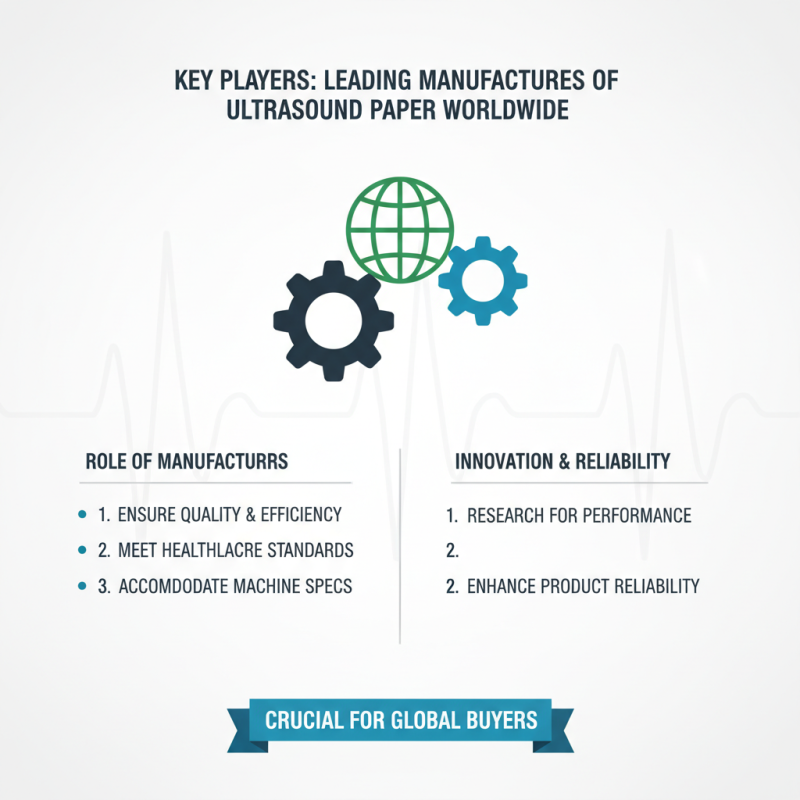
The article "Top Ultrasound Paper Options for Global Buyers" provides a comprehensive overview of the current landscape of ultrasound paper utilization. It discusses prevailing market trends, highlighting the increasing demand and diverse applications of ultrasound paper across various sectors. The piece also identifies key global players in the manufacturing of ultrasound paper, emphasizing their roles in shaping industry standards and driving innovation.
Additionally, the article delves into the essential technical specifications that define quality ultrasound paper, ensuring that users can make informed choices. Regional insights on consumer preferences further illustrate the varying demand for ultrasound paper worldwide. Lastly, the cost analysis section addresses the price variability and overall value considerations that buyers should keep in mind when selecting ultrasound paper, ensuring they find the best options that meet their needs.