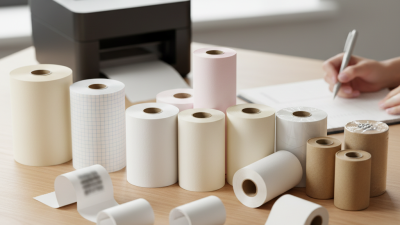
Top 10 Reasons You Need Quality Receipt Paper for Your Business?
In today’s competitive market, the importance of quality receipt paper cannot be overstated. A business's first impression often lies in the details, including the type of receipt paper used. High-quality receipt paper ensures that your transactions are not only clear but also professional. This directly impacts customer perception and brand reputation.
Choosing the right receipt paper may seem minor, but it affects the overall customer experience. Quality receipt paper prevents smudging and fading, ensuring clarity. Customers appreciate legible receipts. They trust your brand more with clear communication through every transaction.
However, many businesses overlook this aspect. They often settle for cheaper, low-quality alternatives. This can lead to negative customer experiences and wasted resources if receipts fade or become unreadable over time. Reflecting on your choices regarding receipt paper can reveal opportunities for improvement. Investing in quality receipt paper may enhance not only your brand's image but also boost customer satisfaction.

Importance of High-Quality Receipt Paper for Business Transactions
High-quality receipt paper plays a crucial role in business transactions.
Poor-quality paper can lead to faded or illegible receipts. According to a
report by Technavio, around 37% of businesses face issues related to
receipt clarity. This can affect customer satisfaction and lead to disputes.
Quality paper ensures that printed text remains clear for longer periods,
which is vital for both record-keeping and customer relations.
In the retail and hospitality industries, the impact of receipt quality
cannot be overlooked. A study from the National Retail Federation highlighted
that about 40% of consumers reported dissatisfaction due to fading receipts.
When it comes to managing returns or exchanges, having a readable receipt
is key. It reduces friction in customer interactions and fosters trust.
Investing in high-quality receipt paper also reflects your business values.
Customers notice the little things, like the smooth texture of the paper.
This attention to detail can create a positive impression. However, not all
businesses prioritize this, with some opting for cheaper options that may not
perform well. This often leads to a cycle of dissatisfaction, which could
have been avoided with better material choices.
Impact of Receipt Paper Quality on Customer Perception and Satisfaction
The quality of receipt paper plays a crucial role in shaping customer perception. When customers receive a crisp, clear receipt, it reflects a business's commitment to quality. Poor-quality receipts can lead to smudging and fading. This often results in confused customers struggling to read important details like prices and return policies. Such experiences can leave a negative impression, diminishing overall satisfaction.
Moreover, high-quality receipt paper provides a tactile experience that customers value. The texture and clarity signal that a business cares about its image. This is particularly important in industries where first impressions matter. A well-printed receipt can enhance the sense of professionalism. Conversely, a flimsy or unclear receipt may raise doubts about the business's reliability.
While the importance of receipt paper may seem minor, it significantly impacts customer interactions. Reflecting on this, businesses should assess their current practices. Investing in better receipt paper is not just a cost; it's an opportunity to improve brand perception. In an age of digital transactions, a physical receipt still holds value. Choices made today can influence future customer relationships.
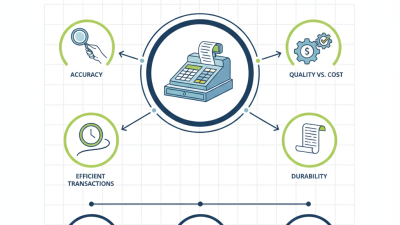
Top 10 Reasons You Need Quality Receipt Paper for Your Business
Cost-Effectiveness of Investing in Quality Receipt Paper Over Time
Investing in quality receipt paper can yield significant cost savings for businesses over time. A report from the International Journal of Business Analysis indicates that using lower-quality paper often leads to higher printer malfunctions. These malfunctions can cause unexpected downtime, resulting in lost sales. In fact, businesses that chose cheaper paper spent nearly 30% more on maintenance and repairs than those who opted for quality alternatives.
Quality receipt paper is designed for durability. It resists fading and smudging, ensuring that information remains clear for customers. Research shows that maintaining receipt legibility is crucial for customer satisfaction. When receipts are hard to read, customers may question transactions. This can lead to disputes and, ultimately, loss of patrons. Studies suggest that legible receipts improve repeat business by up to 20%.
Another point to consider is the impact on productivity. Switching to quality receipt paper reduces paper jams. Fewer jams mean less time spent troubleshooting and handling frustrations. A study by the Business Efficiency Institute found that productivity increases by about 15% when employees spend less time dealing with printing issues. Investing in better materials pays off, both in terms of money and employee morale. Reflecting on these aspects, businesses must evaluate the hidden costs of cheaper options versus the long-term benefits of quality.
Top 10 Reasons You Need Quality Receipt Paper for Your Business
| Reason |
Description |
Cost Impact |
Long-Term Benefits |
| Durability |
Quality receipt paper resists fading and tearing. |
Reduces reprints. |
Improves customer satisfaction. |
| Print Quality |
Clear and legible prints enhance professionalism. |
Less waste due to mistakes. |
Better brand perception. |
| Cost-Effectiveness |
Investing in quality reduces overall paper usage. |
Lower costs in the long run. |
Increases profitability. |
| Compatibility |
High-quality paper works with all printers. |
Minimizes printer malfunctions. |
Saves time on troubleshooting. |
| Environmental Impact |
Quality paper often made from sustainable resources. |
May have slightly higher costs. |
Enhances CSR efforts. |
| Customer Trust |
Quality receipts bolster customer confidence. |
Fewer complaints about receipt quality. |
Increased loyalty and repeat business. |
| Brand Image |
High-quality materials reflect well on your brand. |
Higher upfront investment. |
Long-term brand equity growth. |
| Employee Efficiency |
Better paper reduces jams and issues. |
Saves time and costs. |
Enhances workflow productivity. |
| Regulatory Compliance |
Certain industries require quality paper standards. |
Avoid potential fines. |
Maintains operational integrity. |
| Technology Integration |
Works seamlessly with modern POS systems. |
Reduces tech support costs. |
Future-proofs your business operations. |
Environmental Considerations in Selecting Receipt Paper for Your Business
When selecting receipt paper, it's important to consider environmental impact. Many businesses overlook the sustainability of their paper choices. The production processes for standard receipt paper often involve harmful chemicals. These chemicals can contribute to pollution and deforestation. Opting for eco-friendly options can significantly reduce your business's carbon footprint.
Many businesses still rely on thermal paper, which can contain BPAs. Bisphenol A is a chemical that poses risks to human health and the environment. Using BPA-free options is a small yet impactful step. Recycled paper products can provide an equally functional alternative. They often use less energy and generate fewer emissions during production.
It’s crucial to evaluate the sourcing of your materials. Sustainable practices in paper production play a key role in conservation efforts. Look for certifications that indicate environmentally friendly production. While you might pay a bit more upfront, the long-term benefits for your brand and the planet are invaluable. This consideration can help build a reputation of responsibility and care for the environment.
Technological Advancements in Receipt Paper: Benefits and Innovations
Technological advances have transformed receipt paper from a simple recording tool to a sophisticated business asset. Traditional thermal paper is evolving, integrating enhancements that improve durability and usability. Businesses now can choose receipt paper that resists fading, ensuring documents remain clear over time.
One of the key innovations is eco-friendly paper. These products are often made from recycled materials or use water-based inks. They reduce environmental impact while maintaining quality. However, some businesses hesitate to make the switch. They worry about the reliability of new types. This hesitation can lead to wasted opportunities in adopting better practices.
Another advancement is the integration of technology in receipt printing. Mobile receipt apps allow instant digital record keeping. This not only enhances customer experience but also streamlines business operations. Yet, a challenge remains—ensuring that employees are trained to handle new technologies effectively. Adapting to new ways can take time, and not every staff member may welcome change. Balancing innovation with practicality is crucial for success.