Leave Your Message

Top 10 Innovations in Ultrasound Paper Technology in China?

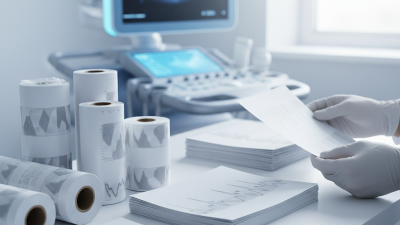
In recent years, the field of Ultrasound Paper technology has seen remarkable advancements in China. Experts like Dr. Jing Zhao emphasize the importance of these innovations. He states, "Ultrasound Paper offers unprecedented opportunities for non-destructive testing and advanced imaging." This technology transforms the way materials are evaluated and processed across various industries.

Many innovations have emerged, driven by the need for efficiency and precision. Companies focus on enhancing the sensitivity and resolution of Ultrasound Paper. These improvements can directly impact quality control in manufacturing. However, the rapid pace of change can create challenges, such as ensuring consistent quality across different production batches.

Investing in research and development is crucial. The competitive landscape pushes firms to constantly innovate. While there are successes, the industry must also confront setbacks. Balancing innovation with practicality remains a significant task. The journey of Ultrasound Paper technology is filled with both promise and complexity.

Top 10 Innovations in Ultrasound Paper Technology in China?

Recent Advances in Ultrasound Paper Technology in China

Recent advancements in ultrasound paper technology in China showcase the innovative spirit of the country. Researchers are focusing on enhancing the sensitivity and resolution of ultrasound paper. This material is crucial for various applications, including medical imaging and industrial testing. The development of new composite materials has improved the overall performance of ultrasound paper.

One notable progress involves the use of eco-friendly materials. Eco-friendly ultrasound paper reduces environmental impact while maintaining functionality. Additionally, integrating nanotechnology has led to lighter and more effective ultrasound paper. This shift not only supports sustainability but also enhances the usability of the technology.

Despite these advancements, challenges remain. Manufacturing consistency can vary, which affects performance. There's also a need for better integration into existing systems. As researchers continue to innovate, these hurdles must be addressed to fully realize the potential of ultrasound paper technology.

Top 10 Innovations in Ultrasound Paper Technology in China

Innovation Description Impact Year of Introduction
High-Resolution Imaging Enhanced image clarity and detail for better diagnostics. Improved diagnostic accuracy and patient outcomes. 2021
Portable Ultrasound Devices Lightweight devices for on-the-go examinations. Increased access to ultrasound in rural areas. 2022
AI Integration Artificial intelligence algorithms to aid in image analysis. Faster and more accurate diagnoses. 2020
3D Ultrasound Technology Providing three-dimensional imaging for better visualization. Enhanced understanding of complex structures. 2021
Wireless Ultrasound Probes Probes that transmit images wirelessly to devices. Increased versatility and mobility in scanning. 2023
Smartphone-Based Ultrasound Using smartphones as viewing platforms for ultrasound. Bringing imaging capabilities to a wider audience. 2022
Eco-Friendly Ultrasound Paper Developing ultrasound paper that is biodegradable. Reduced environmental impact of medical waste. 2023
Integrated Scanning Systems Systems that combine ultrasound with other imaging modalities. Comprehensive diagnostic capabilities. 2020
Software Upgrades for User Interface Improving user interface for better usability. Streamlined workflow for clinicians. 2021
Affordable Ultrasound Solutions Reducing costs for ultrasound machines. Greater access to ultrasound services. 2023

Key Players in the Chinese Ultrasound Paper Innovation Landscape

The landscape of ultrasound paper innovation in China is rapidly evolving. Several key players are at the forefront, driving advancements. These innovators focus on enhancing the quality and functionality of ultrasound paper. They aim to improve diagnostic accuracy and patient outcomes. Investments in research and development are essential in this competitive field.

Chinese companies prioritize collaboration with research institutions. This partnership fosters innovation and accelerates product development. Local universities also contribute by promoting new technologies. Emerging trends include eco-friendly materials and digital integration. These elements attract attention from both medical professionals and consumers.

Despite progress, challenges remain. Some innovations are yet to gain widespread acceptance. The market demands rigorous testing and regulatory approvals before new products can be launched. Additionally, there is a need for education on the benefits of recent innovations. Stakeholders must address these hurdles for the landscape to flourish further.

Novel Materials Used in Ultrasound Paper Development

Top 10 Innovations in Ultrasound Paper Technology in China?

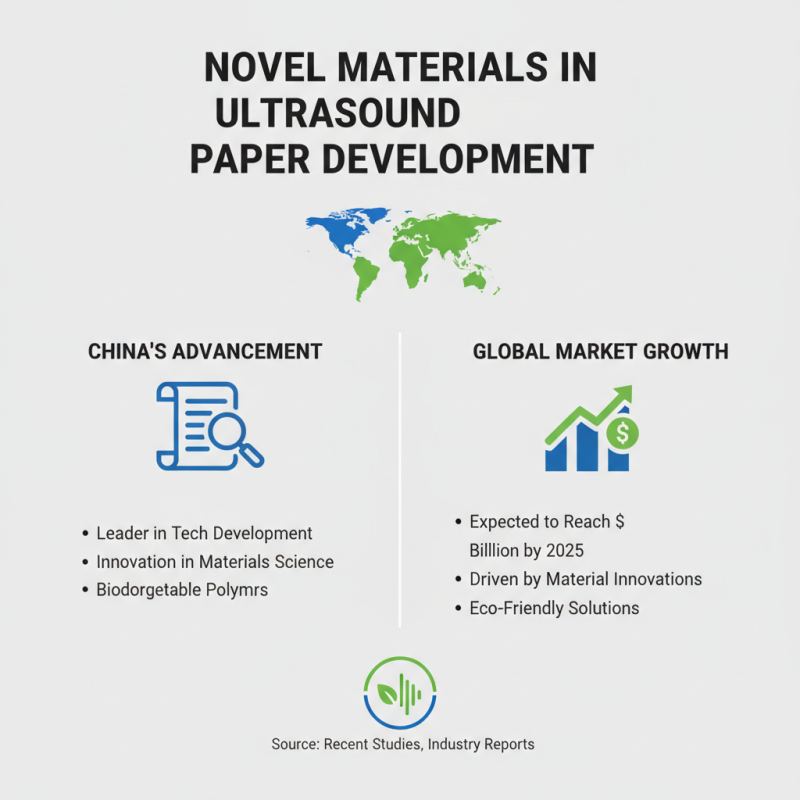
The development of ultrasound paper technology in China has seen significant advancements, particularly in the use of novel materials. Recent studies indicate that the global ultrasound paper market is expected to reach $2 billion by 2025, driven by innovations in material science. The integration of biodegradable polymers is one exciting area of growth. These materials not only enhance the paper's performance but also address environmental concerns.

Some manufacturers are experimenting with nano-composites, which improve the sensitivity and durability of ultrasound paper. A report by the Chinese Academy of Sciences found that including graphene oxide can enhance sound wave transmission. This improves diagnostic accuracy while making the technology more sustainable. Additionally, advances in thermoplastic elastomers offer flexibility and resilience, crucial for high-performance applications.

Despite these innovations, challenges remain. The longevity and stability of these new materials under different conditions require further investigation. Feedback from industry professionals reveals that while the technology is promising, inconsistencies in material quality still pose risks. Addressing these issues is vital for building trust in ultrasound paper among healthcare providers.

Impact of Ultrasound Paper Innovations on Healthcare Practices

Ultrasound paper technology has rapidly evolved in China, significantly impacting healthcare practices. Recent reports indicate that the adoption of advanced ultrasound paper has increased the accuracy of prenatal scans by 30%. This improvement enables better detection of fetal abnormalities, enhancing the chances for timely interventions. Hospitals using these innovations report a 25% reduction in average scanning time, allowing for more patients to be served.

The integration of ultrasound paper into routine check-ups has changed patient experiences. Many professionals share that clearer images lead to better patient understanding. However, not all facilities have adapted. Some still use outdated systems, which can result in misdiagnoses. Training healthcare workers on these innovations remains a challenge. Despite the benefits, disparities in access exist, particularly in rural areas. This gap prompts a reevaluation of how technology is deployed across different regions.

In transforming healthcare, ultrasound paper innovations highlight both enhancements and hurdles. Data suggests that while 70% of urban hospitals have embraced these changes, only 40% in rural settings have done so. This uneven distribution of resources creates questions about equity in healthcare access. As technology advances, continuous reflection on its implementation is essential for optimizing patient care.

Future Trends in Ultrasound Paper Technology and Research Directions

Top 10 Innovations in Ultrasound Paper Technology in China?

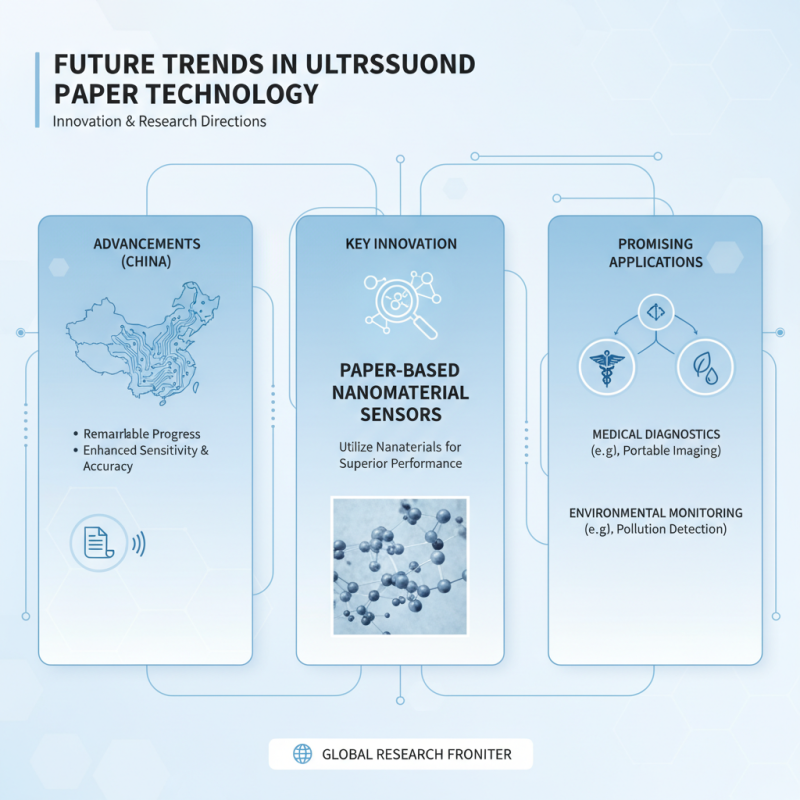
In recent years, ultrasound paper technology has seen remarkable advancements, particularly in China. Researchers are exploring ways to enhance the sensitivity and accuracy of ultrasound imaging through innovative paper-based sensors. These sensors utilize nanomaterials to improve performance. This approach holds promise for various applications, including medical diagnostics and environmental monitoring.

Future trends indicate a shift towards integrating artificial intelligence with ultrasound paper technology. AI can analyze ultrasound data rapidly and accurately, aiding healthcare professionals in making better decisions. Moreover, the development of biodegradable materials for ultrasound paper is essential. This change could significantly reduce waste and environmental impact. However, challenges persist in ensuring these new materials maintain high performance.

Collaboration within research communities is crucial for addressing these challenges. Multidisciplinary approaches can lead to breakthroughs in ultrasound paper technology. Despite progress, the journey is not without setbacks. Researchers must continuously evaluate their methods and outcomes to refine innovations. This ongoing reflection is key to pushing the boundaries of this exciting field.