Top 10 Heat Transfer Printer Paper Options for Your DIY Projects?
In the world of DIY projects, choosing the right Heat Transfer Printer Paper can significantly impact your results. Nick Johnson, a renowned expert in heat transfer technology, once stated, “The right paper can turn a good design into a great finished product.” This insight underscores the importance of making informed decisions when selecting materials.
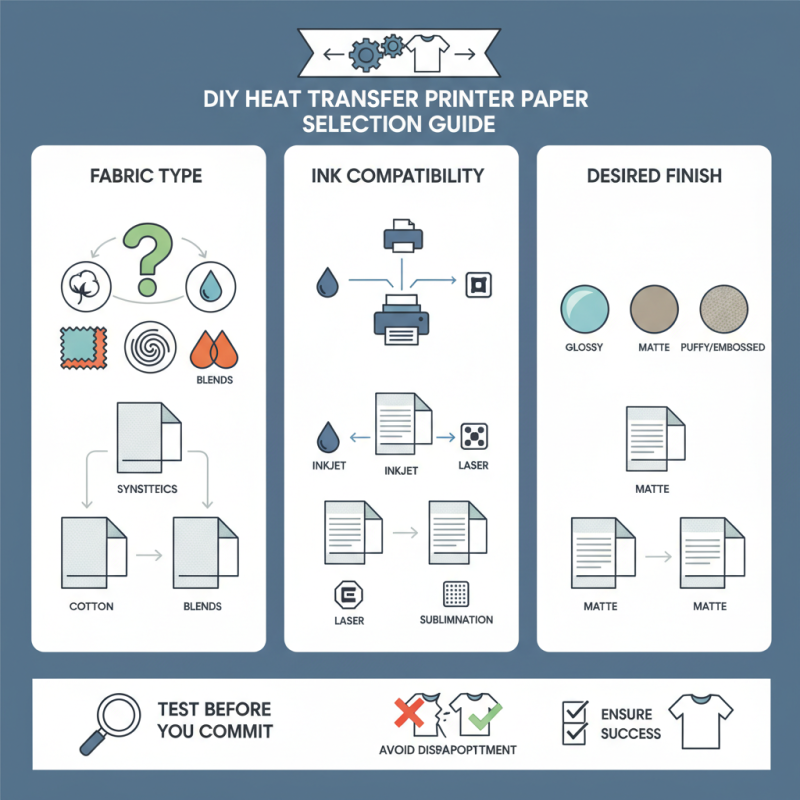
Heat Transfer Printer Paper varies widely in quality and compatibility. Some papers work better on cotton, while others excel on synthetic fabrics. This diversity can lead to confusion for amateurs and professionals alike. Factors to consider include the type of fabric, ink used, and desired finish. Each element plays a role in the project’s outcome.
While many products promise outstanding results, not all deliver as expected. It’s crucial to test your paper before starting large projects. Even top-rated options can sometimes produce unexpected results, leaving room for criticism and improvement. Reflection on personal experiences with different brands can guide better choices in the future.
Top Characteristics to Look for in Heat Transfer Printer Paper
When choosing heat transfer printer paper for DIY projects, certain characteristics are crucial. First, the paper's compatibility with various materials can significantly impact your project outcomes. You want to ensure that the paper adheres well to fabrics like cotton, polyester, or blends. According to recent industry reports, using the right paper can enhance transfer quality by up to 30%.
Another factor is the ink absorption rate. The best papers absorb ink efficiently, which leads to vibrant and durable prints. Papers with higher ink absorption can retain better colors and clarity. Many products in the market boast about their vibrant transfer outputs; however, not all deliver consistent results. Testing a few options may be necessary to find the right fit.
Tip: Always conduct a test print on a sample fabric to gauge how well the ink adheres. This can save materials and time in the long run.
Additionally, the weight and thickness of the paper matter. Heavier papers often result in better transfer quality, but they can be more challenging to work with. If the paper feels flimsy, the transfer may not last as long as expected. Experimenting with different weights can provide insights into what works best for your projects.
Tip: Keep your expectations realistic. Even the best papers can have limitations. It’s part of the learning curve in perfecting your DIY endeavors. Aim for improvement rather than perfection.
Top 10 Heat Transfer Printer Paper Options for Your DIY Projects
| Option |
Material Type |
Print Compatibility |
Application Type |
Transfer Method |
Finish Type |
| Option 1 |
Cotton |
Inkjet |
Apparel |
Heat Press |
Matte |
| Option 2 |
Polyester |
Laser |
T-Shirts |
Iron-On |
Glossy |
| Option 3 |
Vinyl |
Inkjet |
Decals |
Heat Press |
Matte |
| Option 4 |
Sublimation |
Inkjet |
Sportwear |
Heat Press |
Satin |
| Option 5 |
Cotton/Poly Blend |
Laser |
Shirts |
Iron-On |
Semi-Gloss |
| Option 6 |
Transparent |
Inkjet |
Art Prints |
Heat Press |
Clear |
| Option 7 |
Canvas |
Laser |
Home Decor |
Iron-On |
Textured |
| Option 8 |
Dark Fabrics |
Laser |
T-Shirts |
Heat Press |
Opaque |
| Option 9 |
Performance Wear |
Inkjet |
Athletic Gear |
Heat Press |
Moisture-Wicking |
| Option 10 |
Photo Paper |
Laser |
Custom Designs |
Iron-On |
Matte/Glossy |
Best Heat Transfer Printer Paper for Light Fabrics: A Comprehensive Review
Choosing the right heat transfer printer paper is crucial for achieving vibrant designs on light fabrics. Many options exist, each with unique qualities. When working with cotton or blends, opt for papers that ensure smooth transfers. Look for those with a fine texture. They help colors display more vividly.
One important aspect is to consider the paper's weight. Heavier papers often yield better results. However, they can be tricky. Sometimes they do not adhere well to lighter fabrics. You might face issues like peeling or smudging. Testing different types can help you identify the best fit for your projects. Don't hesitate to experiment. Mistakes can lead to more exciting outcomes, even if they are not part of the plan.
Another detail to keep in mind is the application process. Heat settings vary based on fabric and paper type. Too high or too low can ruin your design. Keep a notebook for each project. Document your settings and outcomes. This way, you can refine your approach in the future. Every attempt builds your skill. Remember, the journey is just as important as the final product.
Heavyweight vs. Lightweight Heat Transfer Paper: Which is Right for You?
When choosing heat transfer printer paper, the weight can greatly influence your project outcomes. Heavyweight paper typically boasts a higher density. This can result in richer colors and more durability. According to a market analysis, heavyweight paper shows a 30% increase in wash resistance compared to lighter alternatives. This durability makes it a better choice for apparel that will be frequently washed.
On the other hand, lightweight heat transfer paper can be a practical choice for a variety of DIY projects. It is easier to work with and can provide a softer hand feel. The trade-off might be in longevity. Reports indicate that lightweight options can fade faster after repeated washes. This makes it essential for projects that require flexibility and comfort.
Tips: If you're aiming for long-lasting prints, consider heavyweight paper for T-shirts and hoodies. For design-focused projects, lightweight paper allows for intricate details without adding bulk. Keep in mind that while lightweight is easier to handle, the results could be less resilient. Finding the right balance is crucial. Experiment with both types to see which one suits your needs better.
Top Brands in Heat Transfer Paper: Industry Leaders and Innovations
When it comes to heat transfer printing, quality paper makes a significant difference. Different brands offer unique features that cater to various needs. Some papers excel in vibrant color reproduction. Others are better for transferring intricate designs. Each brand has its own innovations, which can be overwhelming at times. But choosing the right one can elevate your DIY projects.
Many industry leaders prioritize user-friendliness in their products. They design papers that work smoothly with various printers. Some brands even have specific instructions for best results. While this is helpful, not all papers perform consistently. Users may find themselves experimenting to achieve the desired effect. The variations in texture and finish can lead to unexpected results.
Moreover, sustainability is an emerging focus in this space. Some brands are shifting towards eco-friendly options, reflecting growing consumer awareness. This shift can be a double-edged sword. While it promotes environmental responsibility, some eco-friendly papers may lack the same performance. This leaves creators with dilemmas about material choices. Balancing quality and sustainability may require thoughtful decision-making.
Environmental Considerations in Choosing Heat Transfer Printer Paper
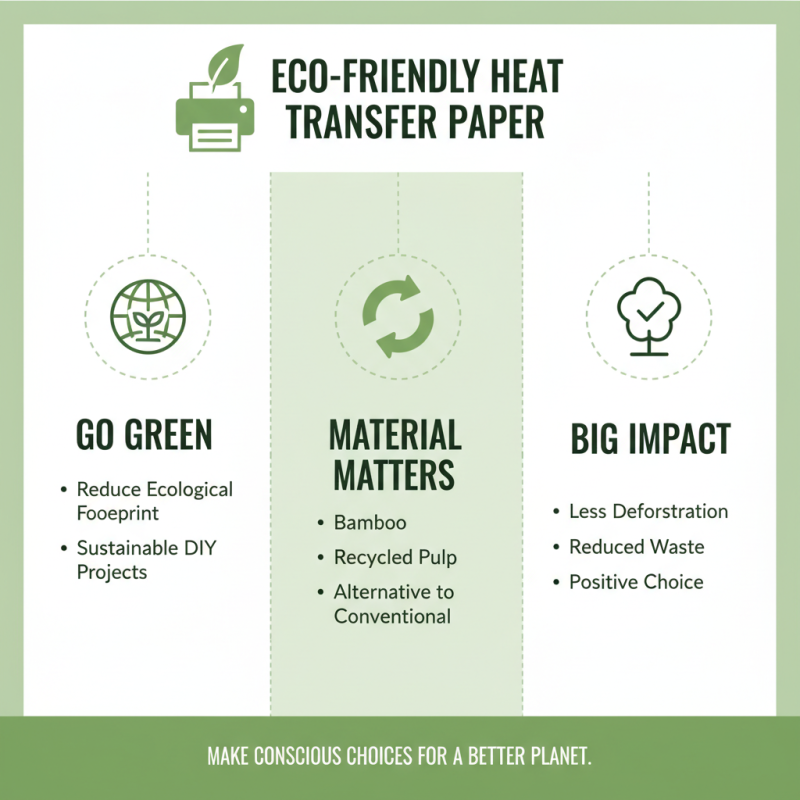
When exploring heat transfer printer paper options, environmental considerations are crucial. The right choice can significantly impact the ecological footprint of your DIY projects. Look for papers made from sustainable materials. Bamboo and recycled pulp are often better alternatives to conventional options. They reduce deforestation and waste.
Another aspect to consider is the ink used. Some inks release harmful substances when heated. Eco-friendly, water-based inks are a better choice, as they are less toxic. This not only protects the environment but also ensures a safer workspace. It’s worth reflecting on how these selections can affect your long-term health and the planet.
Additionally, consider the disposal methods for the paper after use. Some types may not decompose well, contributing to landfill issues. Opt for biodegradable options whenever possible. This small change can help minimize waste. Making thoughtful choices in your projects can lead to a more sustainable future, one print at a time.