What Are the Top China Best Wood Pulp Paper Suppliers?
The global Wood Pulp Paper industry is experiencing significant fluctuations, driven by shifting consumer demands and environmental regulations. According to a recent report by Smith & Associates, the market is projected to grow by 3.2% annually over the next five years. Yet, challenges remain, including sustainability issues and the rising cost of raw materials.
Expert David Chen, a leading analyst in the paper industry, stated, "The balance between quality and sustainability is crucial for suppliers today." His insight reflects the growing awareness among suppliers to evolve in response to eco-conscious consumers. As the industry adapts, identifying top suppliers becomes essential for companies seeking reliable partners in the Wood Pulp Paper sector.
The landscape of these suppliers reveals a mix of established names and emerging players. Some companies excel in quality, while others focus on innovative production methods. Yet, the right supplier match is not always clear-cut. Evaluating expertise and sustainable practices is vital for long-term success, prompting companies to reconsider their alliances.

Top Wood Pulp Paper Suppliers in China: An Overview of the Industry
The wood pulp paper industry in China has seen substantial growth recently. The country is a significant player in the global market. Chinese suppliers are known for their large production capacities and innovative practices. They use advanced technology to improve quality and efficiency. This has made China a reliable source for various pulp paper products.
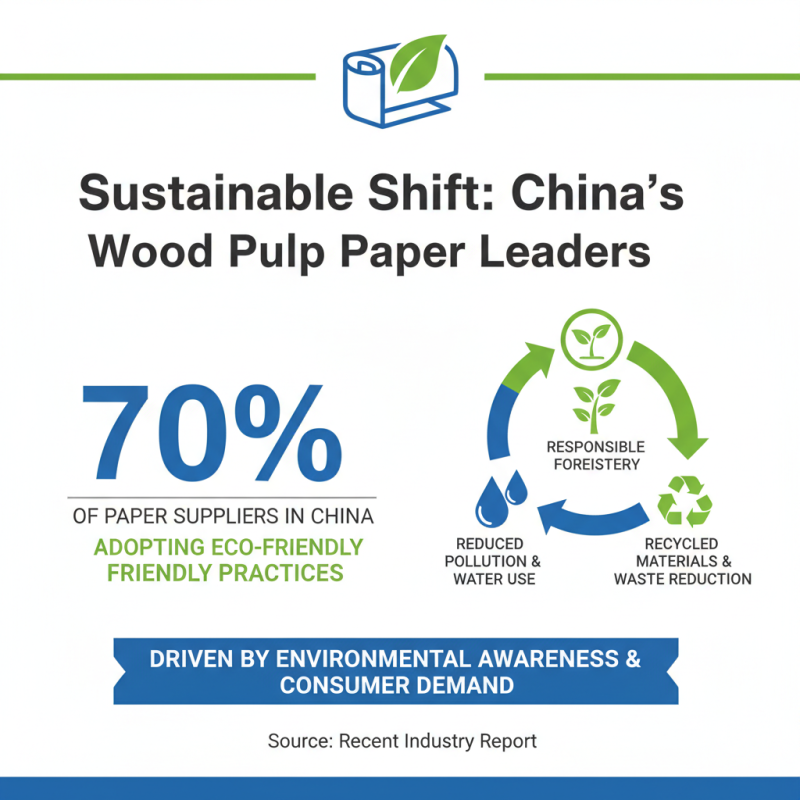
Sustainability is a core focus for many suppliers. They are increasingly adopting eco-friendly practices. This includes sourcing raw materials responsibly and minimizing waste. However, challenges remain. Not all suppliers maintain consistent quality standards. Some face scrutiny regarding their environmental impact. This inconsistency can create uncertainty for buyers.
Chinese wood pulp paper suppliers offer diverse options. Industries such as packaging, printing, and hygiene benefit from this. While some suppliers excel in meeting international standards, others lag behind. Buyers should conduct thorough research. Understanding supplier capabilities is crucial for effective partnerships.
Market Share Analysis of Leading Chinese Wood Pulp Paper Manufacturers
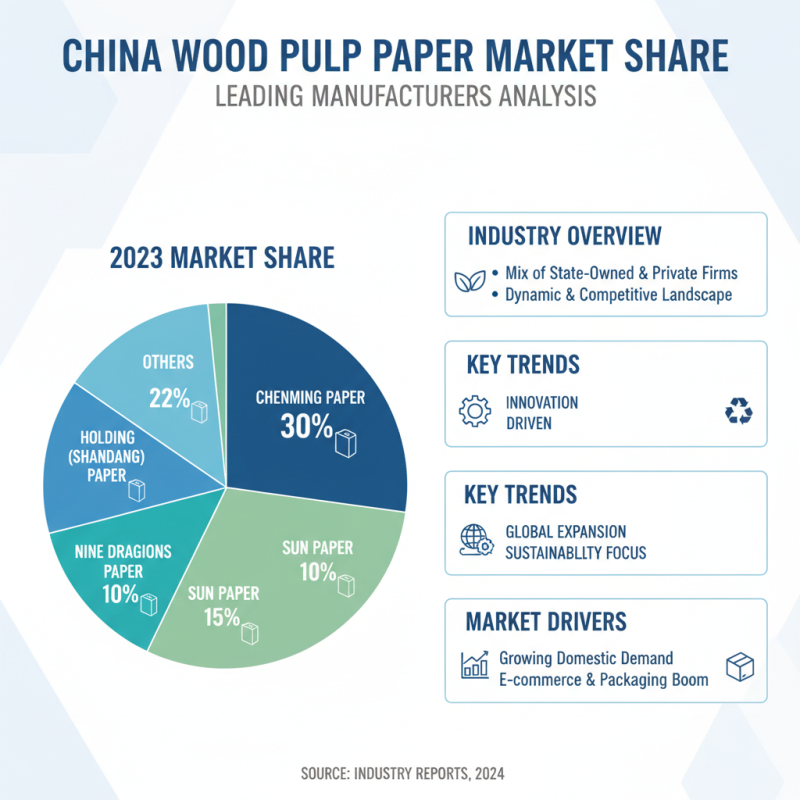
In the dynamic landscape of the wood pulp paper industry in China, an analysis of market share reveals the competitive positioning of leading manufacturers. Several companies dominate the sector, each contributing to the overall growth and innovation within the market. There is a mix of state-owned enterprises and private firms, reflecting a diverse marketplace.
The largest players tend to capture significant market shares due to their scale and advanced production techniques. They invest heavily in technology to improve efficiency and product quality. However, smaller suppliers also play an essential role by catering to niche markets. Their flexibility and adaptability often lead to innovative products that larger companies might overlook.
While the competition is robust, challenges persist. Supply chain disruptions and fluctuating raw material costs can impact production. Furthermore, sustainability concerns are increasingly relevant, prompting manufacturers to rethink their processes. The need for continuous improvement in environmental practices is essential for long-term viability in this evolving industry.
Key Quality Certifications and Standards Among Top Suppliers in China
When examining the top wood pulp paper suppliers in China, quality certifications play a crucial role. These certifications ensure that products meet international standards. Common certifications include ISO 9001 for quality management systems and ISO 14001 for environmental management. Such credentials indicate that suppliers prioritize quality and sustainability.
Many suppliers are also mindful of specific industry standards. The Forest Stewardship Council (FSC) certification assures consumers that the paper comes from responsibly managed forests. This is vital for those concerned about environmental impact. Another noteworthy certification is the Sustainable Forestry Initiative (SFI), which promotes responsible forest management throughout the supply chain.
Nevertheless, not all suppliers consistently meet these standards. Some may prioritize cost savings over quality, leading to concerns about their practices. Potential buyers should thoroughly vet suppliers. It’s essential to request documentation proving their compliance with relevant certifications and standards. This approach helps ensure reliable and sustainable sourcing in today's competitive market.
Top China Best Wood Pulp Paper Suppliers - Quality Certifications and Standards
Comparative Pricing Trends for Wood Pulp Paper Products in China
As the demand for wood pulp paper grows, understanding pricing trends in China is essential. Pricing can fluctuate based on various factors, including raw material costs, supply chain dynamics, and market demand. In recent years, there has been a noticeable increase in prices due to environmental regulations that impact production processes.
Companies are actively adjusting their pricing strategies to remain competitive. It's interesting to observe how regional differences in wood pulp availability affect local pricing. For instance, provinces rich in timber resources might offer lower prices compared to those reliant on imports. Despite this, not all suppliers maintain consistent quality, and price alone should not be the sole focus for buyers.
An aspect that cannot be ignored is the impact of global economic conditions. Economic instability can lead to unexpected price hikes, making it crucial for businesses to remain agile. The need for sustainability in sourcing is becoming more pronounced. Suppliers who prioritize eco-friendly practices might charge higher fees but could also offer better long-term value. Assessing both cost and quality will lead to better procurement decisions in this evolving market.