Top 10 Photo Printing Paper Types for Stunning Quality Prints
In the realm of photography, the quality of prints is profoundly influenced by the type of "Photo Printing Paper" utilized. According to a report by Smithers Pira, the global market for photo paper is projected to reach 1.6 billion USD by 2024, underscoring a significant demand for high-quality printing materials among both amateur and professional photographers. As consumers increasingly seek to preserve their digital memories in tangible forms, selecting the right paper has become essential to achieving stunning print results that mirror the visual brilliance of high-resolution images.
Investing in the appropriate photo printing paper can elevate the overall printing experience, enhancing color accuracy, sharpness, and longevity of prints. The Paper and Paperboard Packaging Environmental Council notes that photo paper contributes significantly to the durability of prints, with high-quality options ensuring resistance to fading and degradation over time. As technology advances and printing techniques improve, understanding the variety of paper types—such as glossy, matte, fine art, and more—allows photographers to create personalized outputs suited to their artistic vision, ultimately transforming their digital captures into striking physical artworks.
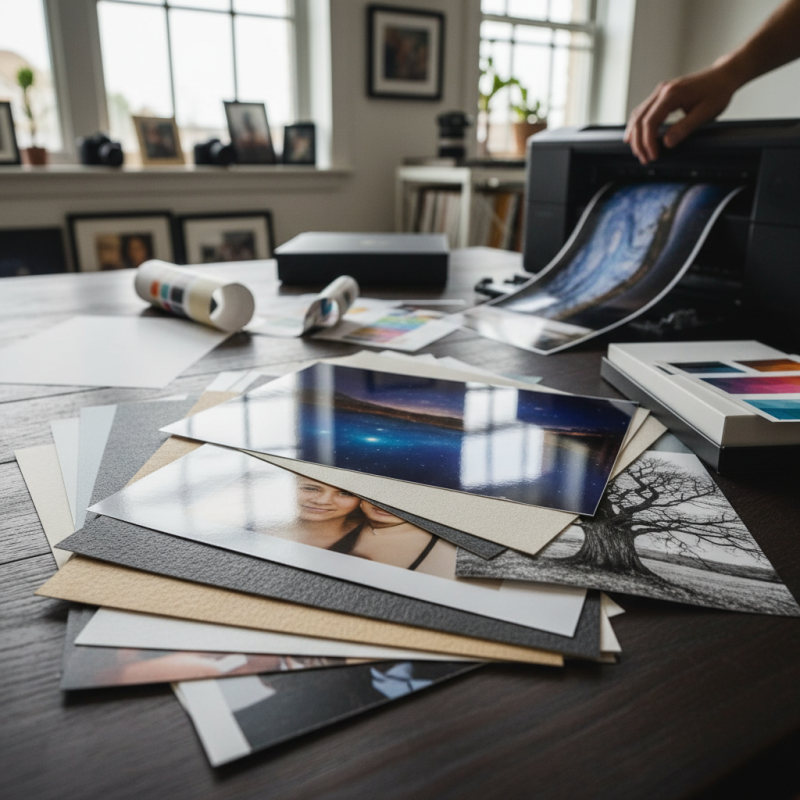
Understanding Different Types of Photo Printing Paper
When it comes to photo printing, the type of paper used plays a crucial role in the final output quality. Understanding the different types of photo printing paper can significantly enhance the appearance of your prints, making them stand out with vibrancy and depth. Broadly, photo papers can be categorized into glossy, matte, and fine art papers, each offering unique characteristics suited for various styles of photography.
Glossy paper is favored for its shiny finish and ability to produce vibrant colors and sharp details, making it ideal for high-impact images such as portraits and landscapes. On the other hand, matte paper provides a non-reflective surface that is excellent for producing softer images, suitable for artistic photography or subtle tones. Fine art paper goes a step further, typically made from heavy, high-quality materials that ensure longevity and a premium feel; it's often used for gallery-quality prints due to its texture and archival properties. Understanding these options allows photographers to select the best paper that aligns with their artistic vision, ensuring that their prints reflect the intended quality and emotion.
Top 10 Photo Printing Paper Types for Stunning Quality Prints
| Paper Type |
Finish |
Weight (g/m²) |
Best For |
| Glossy Photo Paper |
Glossy |
200 |
Vivid Colors |
| Matte Photo Paper |
Matte |
250 |
Fine Art Prints |
| Satin Photo Paper |
Satin |
230 |
Portraits |
| Luster Photo Paper |
Luster |
260 |
High Contrast |
| Canvas Paper |
Textured |
350 |
Art Reproductions |
| Fine Art Paper |
Textured |
310 |
Giclée Prints |
| Baryta Paper |
Glossy |
325 |
Black & White |
| High Gloss Paper |
High Gloss |
300 |
Commercial Prints |
| Metallic Photo Paper |
Metallic |
250 |
Special Effects |
| Textured Photo Paper |
Textured |
310 |
Unique Touch |
The Importance of Paper Finish in Photo Quality
When it comes to achieving stunning quality prints, the choice of paper finish plays a crucial role. The finish of photo printing paper can significantly influence the overall aesthetic and texture of the final image. Glossy finishes, for instance, excel at enhancing color vibrancy and contrast, producing eye-catching images that pop with life. This makes them ideal for photographs that require sharp detail and rich saturation, such as portraits or scenic landscapes. However, the reflective nature of glossy paper can also create glare, potentially distracting viewers from the image itself.
Conversely, matte finishes offer a softer look that absorbs light instead of reflecting it. This characteristic is particularly beneficial for black and white photography or images with subtle tones, where detail and texture are paramount. Matte paper can also provide a greater tactile experience, inviting viewers to engage with the print. Additionally, it is less prone to fingerprints and smudges, making it a practical choice for display or handling. Ultimately, understanding the importance of paper finish allows photographers to choose the perfect medium to match their artistic vision and elevate the quality of their prints.
Top 10 Photo Printing Paper Types for Stunning Quality Prints
This chart illustrates the print quality ratings of various photo printing paper types, emphasizing the influence of paper finish on the overall quality of prints. A higher rating indicates better quality and suitability for professional photography.
Comparing Glossy, Matte, and Semi-Gloss Options
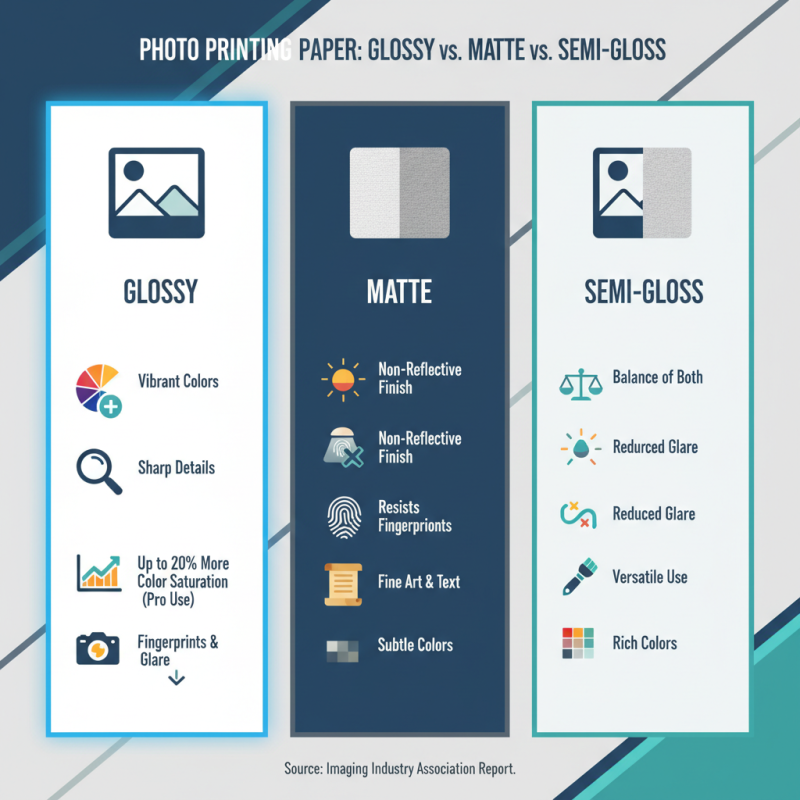
When it comes to selecting the right photo printing paper, understanding the differences between glossy, matte, and semi-gloss options is crucial for achieving stunning quality prints. Glossy paper is renowned for its vibrant color reproduction and sharp details, making it ideal for images where brightness and clarity are paramount. According to a report by the Imaging Industry Association, prints on glossy paper can deliver up to 20% more color saturation compared to matte options, which can significantly enhance the visual impact of photographs, especially in professional settings.
On the other hand, matte paper offers a distinct aesthetic that appeals to those looking for a more subdued look. It provides a soft finish that is less reflective, which can be perfect for portrait or fine art photography. A study conducted by the International Print and Imaging Association revealed that matte finishes often exhibit superior longevity, resisting fingerprints and glare, making them a preferred choice for archival prints. While they may not pop as much in terms of color vibrancy, the understated elegance of matte prints can convey emotion and depth in unique ways.
Semi-gloss paper strikes a balance between glossy and matte, providing some reflective qualities without the extreme shine of glossy paper. This makes it versatile for a variety of images, from family portraits to landscape photography. Research indicates that semi-gloss prints can enhance details while minimizing glare, offering a practical choice for photographers who want the best of both worlds. Ultimately, the choice between these paper types hinges on the desired aesthetic outcome and the specific context in which the photographs will be displayed.
Exploring Specialty Papers for Unique Prints
When it comes to photo printing, selecting the right specialty paper can elevate your images from ordinary to extraordinary. Specialty papers are designed to enhance the texture, color, and overall visual impact of your prints. From fine art papers to metallic finishes, each type offers unique characteristics that play a vital role in the final presentation of your photographs.
For instance, silk and satin papers provide a luxurious feel and a subtle sheen that can enrich color depth, making them ideal for portraits or wedding photos where elegance is paramount.
Another fascinating option is canvas paper, which transforms photos into stunning art pieces with a painterly quality. This type of paper not only adds dimension but also allows for vibrant colors and intricate details to stand out. Additionally, textured papers such as watercolor or linen can introduce an organic element to prints, appealing to those who appreciate a tactile experience. By choosing the right specialty paper, photographers can ensure that their prints resonate emotionally and capture the essence of their subjects effectively, making each piece a unique work of art.
Choosing the Right Paper for Ink Types and Printers
When it comes to achieving stunning quality prints, selecting the right photo printing paper that complements your ink types and printer technology is essential. According to a report by the Printing Industries of America, the choice of paper can significantly influence the overall print quality, with as much as 70% of perceived image quality attributed to the substrate alone. Different inks perform better on certain paper types; for example, dye-based inks are known for their vibrant color reproduction but can smudge on glossy finishes. Conversely, pigment-based inks offer greater longevity and are more suitable for fine art papers, which absorb the ink effectively for superior detail and richness.
The compatibility of print media also extends to the printer itself. While most inkjet printers can utilize a variety of paper types, using paper designed specifically for inkjet printers can enhance print outcomes. A study published by the International Association of Printing and Digital Communications highlighted that using the recommended paper types can improve color accuracy and reduce ink bleeding, essential for producing crisp images. Factors such as paper weight, texture, and finish should be considered, as they contribute to the print’s final aesthetic. For instance, heavier papers often provide a more substantial feel and can enhance perceived quality, while glossy or satin finishes can bring out rich colors and dynamic contrast, making them popular choices among photographers and designers alike.