Top 10 Cash Register Rolls You Need to Know About?
In the retail world, "Cash Register Rolls" play an essential role in daily transactions. Frank Thompson, an industry expert, emphasizes their significance. He states, "Every transaction tells a story, and so does the roll." This quote highlights the importance of documenting sales accurately.
Cash register rolls come in various sizes and qualities. Choosing the right type can enhance your business operations. It's not just about functionality; it's about choosing rolls that print clearly and last longer. Some rolls may jam or fade too quickly, causing frustration.
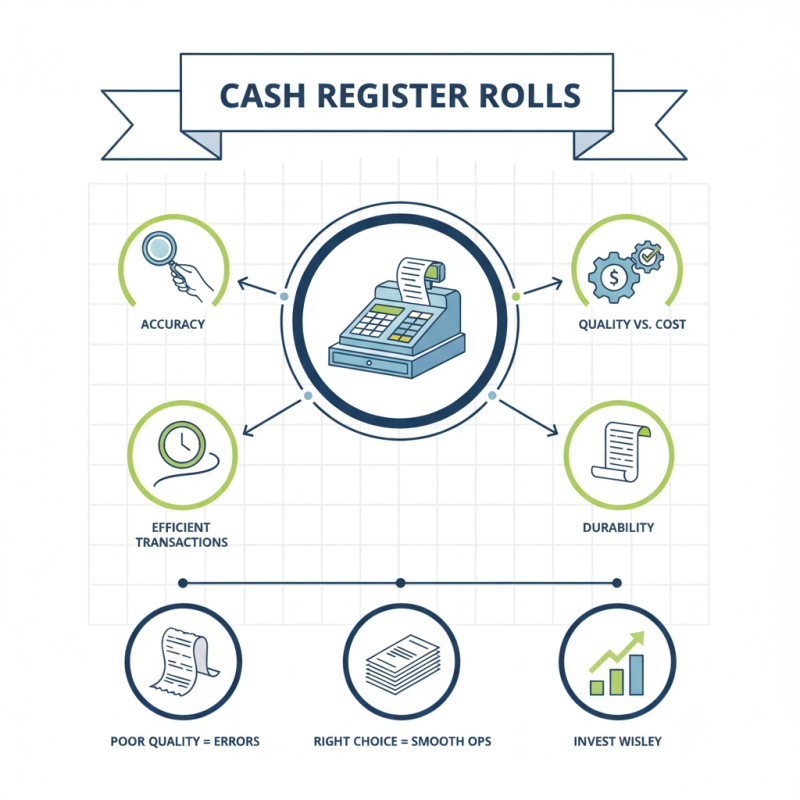
Businesses must reflect on their choices. Are you selecting the best cash register rolls for your needs? Poor quality can lead to errors and slow down service. Balancing quality and cost is crucial. Investing wisely in cash register rolls ensures smoother operations for any retailer.
Overview of Cash Register Rolls and Their Importance
Cash register rolls are essential in retail and other businesses. They provide the paper needed for receipts, helping customers track purchases. According to industry reports, around 70% of transactions involve printed receipts. This highlights the importance of selecting the right cash register rolls.
High-quality rolls can enhance customer satisfaction. Poor-quality paper can lead to smudged prints, making it hard to read receipts. In fact, a study found that 40% of consumers have issues with faded receipts. This can frustrate both customers and business owners.
Tip: Always check the thermal quality when purchasing rolls. This can save money on reprints.
The choice of paper type affects usability. Some rolls are designed for specific printers. Others may not fit well, leading to waste. It’s key to ensure you are using the correct roll size and type. Keeping an eye on inventory helps maintain smooth operations.
Tip: Regularly monitor stock levels. This prevents running out unexpectedly.
To stay efficient, think about sourcing rolls in bulk. This can lower costs. However, be wary of purchasing too many rolls. Oversupply can lead to using outdated stock. Businesses must balance quality, quantity, and freshness in their purchases.
Different Types of Cash Register Rolls Available on the Market
Cash register rolls come in various types, each serving distinct business needs. Typically, thermal rolls are popular due to their convenience. They do not require ink and can produce clear receipts instantly. This saves time in busy retail environments, which is essential for customer satisfaction. Studies indicate that using thermal rolls can improve transaction speed by more than 30%.
Another common type is bond paper rolls. These often provide a more traditional feel and can be printed on with ink. They are perfect for businesses that need to send copies of receipts or for record-keeping purposes. However, they can be less efficient. It involves ink replacement and can result in smudging if not handled properly.
In addition to these, many businesses overlook the importance of understanding the exact specifications needed for their cash registers. For example, widths and lengths vary greatly. Understanding these differences can prevent costly mistakes. Data shows that over 25% of small businesses experience issues due to incorrect roll sizes.
Top 10 Cash Register Rolls You Need to Know About
This chart illustrates the different types of cash register rolls available in the market, showcasing their estimated usage percentages based on a survey of retail outlets.
Key Features to Consider When Choosing Cash Register Rolls
When selecting cash register rolls, several key features should be considered to ensure efficiency and reliability. These rolls are critical for printing receipts. A report from the National Retail Federation indicates that approximately 70% of retailers prioritize quick and clear transactions. This showcases the importance of high-quality receipt rolls.
Paper thickness is one of the first aspects to evaluate. A standard thickness of 48 to 55 grams per square meter (gsm) is typical. Thicker rolls often provide better print quality, but may not fit all register models. Compatibility is essential, as not all machines accept the same sizes. It's frustrating when rolls jam or don’t fit.
Another key factor is the type of thermal coating used. Some rolls have a lower level of thermal sensitivity, resulting in faded receipts over time. An industry study revealed that nearly 30% of retailers face issues with long-term print durability. This can lead to customer disputes, as faded receipts are hard to read. Checking for BPA-free options is also essential nowadays for health concerns. Ultimately, making an informed choice can streamline operations and enhance customer satisfaction.
Top Brands for High-Quality Cash Register Rolls
When it comes to cash register rolls, quality matters. The right roll ensures your receipts are clear and durable. Many businesses struggle with finding rolls that meet their needs. Choosing the right material and weight can affect printing quality. Papers that are too thin may tear easily, while overly thick rolls might jam the printer.
Different brands offer varying features in their cash register rolls. Some rolls may be thermal, allowing for fast printing. Others might be designed for sensitive printing. Each option has pros and cons. It's essential to read reviews before making a decision. Don’t ignore the importance of compatibility with your register. Always ensure that the roll fits your specific machine.
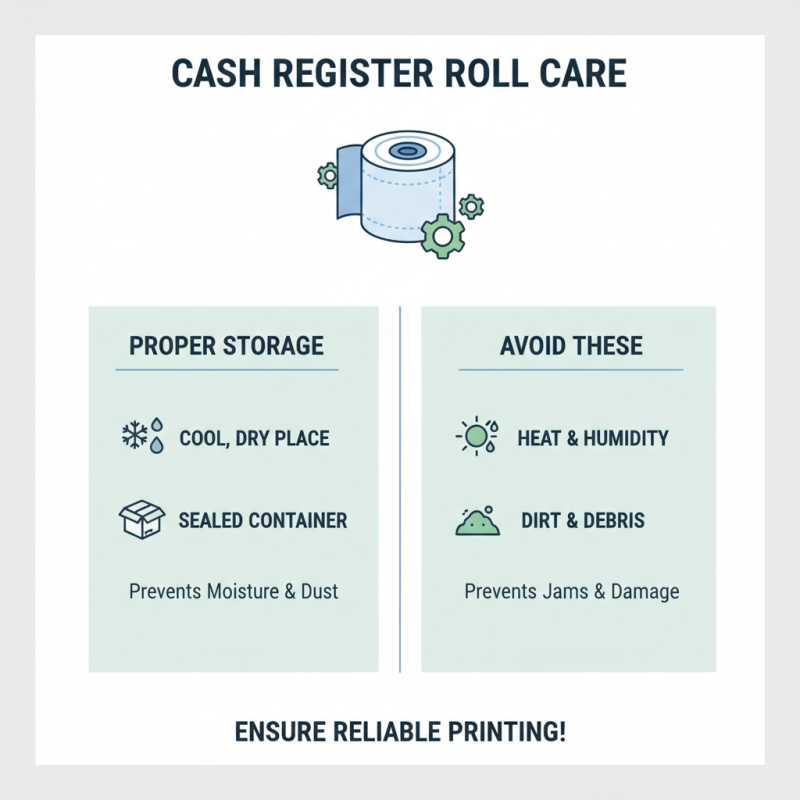
Tips: Consider ordering a sample pack. This way, you can try multiple options before committing. Keep an eye on storage conditions. Rolls stored improperly may degrade over time. Lastly, regularly assess your supply usage to avoid last-minute shortages. Choosing the right cash register rolls can greatly improve your checkout process.