Top 10 Book Paper Types for Global Buyers in 2026?
In 2026, the global book paper market is expected to undergo significant transformation. As digital media continues to evolve, the demand for various types of book paper remains crucial for publishers. According to a recent market analysis by Smith & Co., the book paper segment is projected to grow at a Compound Annual Growth Rate (CAGR) of 4.5% between 2023 and 2026. This growth underscores the importance of understanding paper types and their applications in the publishing industry.
Experts like Dr. Emily Roberts, a leading figure in the book paper industry, emphasize the need for adaptability. "Publishers must choose the right book paper to enhance reader experience," she states. This highlights the critical role that paper quality plays in bridging the gap between tactile and digital experiences.
As readers become more discerning, the subtleties in paper texture, weight, and sustainability will influence buying decisions. The market will not just focus on cost-effectiveness but also on eco-friendly options. Engaging with the right book paper types can be the key to capturing modern readers' preferences while remaining mindful of environmental impacts.
Overview of Book Paper Types for Global Buyers
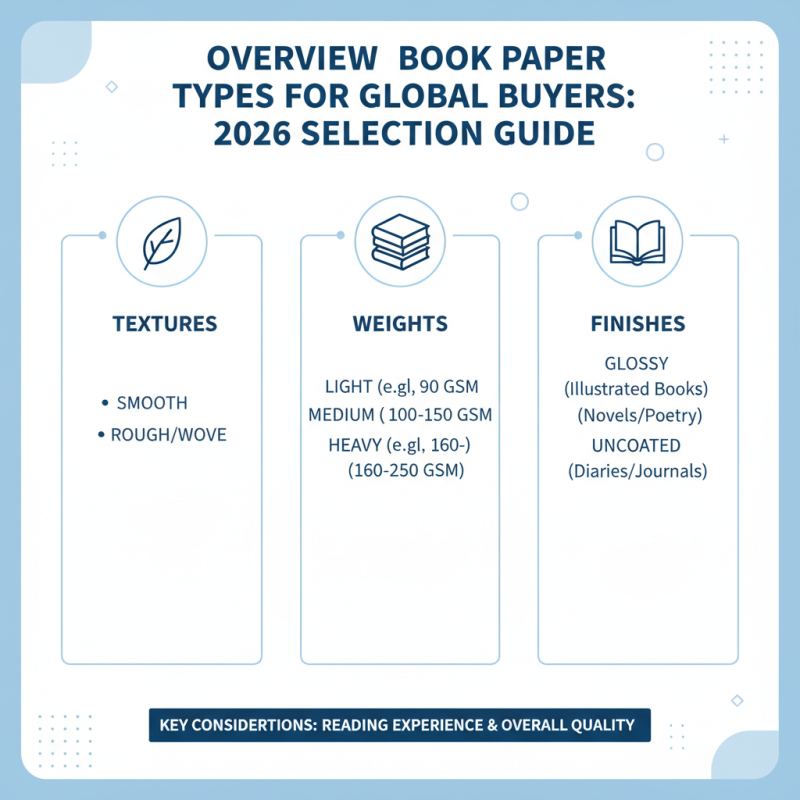
When selecting book paper types for 2026, global buyers must consider various factors. The choice of paper can significantly impact the reading experience and overall quality of the book. Different textures, weights, and finishes can cater to different genres. For instance, a glossy finish might appeal more to illustrated books, while matte could suit novels or poetry collections.
Recycled paper options are gaining traction, appealing to eco-conscious consumers. They are often perceived as more sustainable and can enhance a book's appeal. However, the texture may not always align with high-end expectations. Buyers should weigh these trade-offs carefully. Transparency about sourcing practices builds trust. The market also shows a growing interest in specialty papers, like acid-free and archival quality, which promise longevity. Yet, these might come with a higher price tag.
Understanding the nuances in paper types is essential. Some papers perform better with specific printing techniques. Others may be prone to yellowing over time. A thorough evaluation of these elements ensures that buyers make informed choices. In 2026, a thoughtful selection process will help meet the diverse demands of readers worldwide.
Factors Influencing Paper Type Selection for Books
When selecting paper types for books, several factors come into play. Understanding these elements is crucial for global buyers. The purpose of the book significantly influences the choice of paper. For instance, children's books often require thicker, more durable paper. This ensures they can withstand frequent handling. In contrast, novels may use lighter paper for easy reading.
The weight of the paper also matters. A heavier paper can feel more luxurious but may increase shipping costs. Light paper may be economical but could compromise quality. Buyers must balance aesthetics with practicality.
**Tips:** Test different paper samples during selection. This hands-on approach helps in understanding texture and thickness. Always consider the end-user. How will the audience interact with your book? Focus on creating a pleasant reading experience.
Environmental factors are increasingly significant. Sustainable sourcing is a topic of interest. Many buyers now prioritize eco-friendly options. They seek paper that is responsibly sourced.
**Tips:** Stay updated on new materials. Innovations in paper technology can enhance options. Don't hesitate to explore alternatives, like recycled paper. Such choices can impact your book’s reception positively.
Top 10 Book Paper Types for Global Buyers in 2026
| Rank |
Paper Type |
Description |
Typical Usage |
Sustainability Rating |
| 1 |
Offset Paper |
High-quality paper ideal for printing text and images |
Novels, textbooks |
B+ |
| 2 |
Coated Paper |
Paper with a smooth finish for high-quality images |
Magazines, catalogs |
C |
| 3 |
Uncoated Paper |
Natural feel, ideal for writing and reading |
Notebooks, sketchbooks |
A |
| 4 |
Recycled Paper |
Made from recycled materials, eco-friendly |
Books, flyers |
A+ |
| 5 |
Newsprint |
Cost-effective paper with a rough texture |
Newspapers, low-cost books |
B |
| 6 |
Cardstock |
Thicker paper for durability |
Covers, postcards |
B |
| 7 |
Bond Paper |
Smooth surface mainly used for office printing |
Reports, business documents |
A |
| 8 |
Art Paper |
High-end paper for premium art reproductions |
Coffee table books, art catalogs |
C+ |
| 9 |
Specialty Paper |
Unique textures or finishes, can be used for artistic purposes |
Custom books, DIY projects |
B |
| 10 |
Synthetic Paper |
Waterproof and tear-resistant |
Outdoor books, maps |
C |
Detailed Analysis of Popular Book Paper Types in 2026
As we look ahead to 2026, the paper types used for book production are evolving. Buyers must understand the characteristics and applications of each paper type. Uncoated papers, for instance, provide a natural feel. They absorb ink well and are often used for novels and literary works. However, they may show text bleed, which can limit their use in graphic-heavy publications.
Coated papers are rising in popularity. Their smooth surface enhances color vibrancy, making them ideal for art books and magazines. Yet, they can be more expensive. Buyers need to weigh costs against desired quality. Another option is recycled paper, which appeals to eco-conscious consumers. While it may have a rougher texture, its sustainability is a major selling point.
Then there's the challenge of weight and thickness. Buyers should consider how these factors impact durability and feel. Thinner papers can save costs but may not withstand heavy handling. Heavier papers give a premium feel, but they can also increase shipping expenses. Understanding the trade-offs in these paper types will guide buyers in making informed decisions for their 2026 publications.
Top 10 Book Paper Types for Global Buyers in 2026
Comparative Advantages of Different Paper Materials
When selecting paper for books, understanding various materials is essential. Each type of paper has unique advantages that suit different needs. For instance, coated paper offers a smooth finish, making it ideal for vibrant images and graphics. Its glossy sheen attracts attention, but it may not absorb ink as well as uncoated options. This can lead to issues with color accuracy and bleed-through.
Uncoated paper, in contrast, provides better ink absorption. It yields a more natural look, particularly for text-heavy publications. Readers often appreciate the tactile quality of uncoated surfaces. However, it might not be the best choice for high-resolution imagery. Choosing the right paper type requires careful consideration of the intended purpose and audience.
Recycled paper offers an eco-friendly alternative. It's becoming increasingly popular among environmentally conscious buyers. However, the quality can vary widely, and some recycled options may not hold up as well in printing. Buyers should evaluate both the aesthetic and functional aspects of each material. Ultimately, the decision comes down to balancing visual appeal with practical performance.
Future Trends in Book Paper Selection and Usage
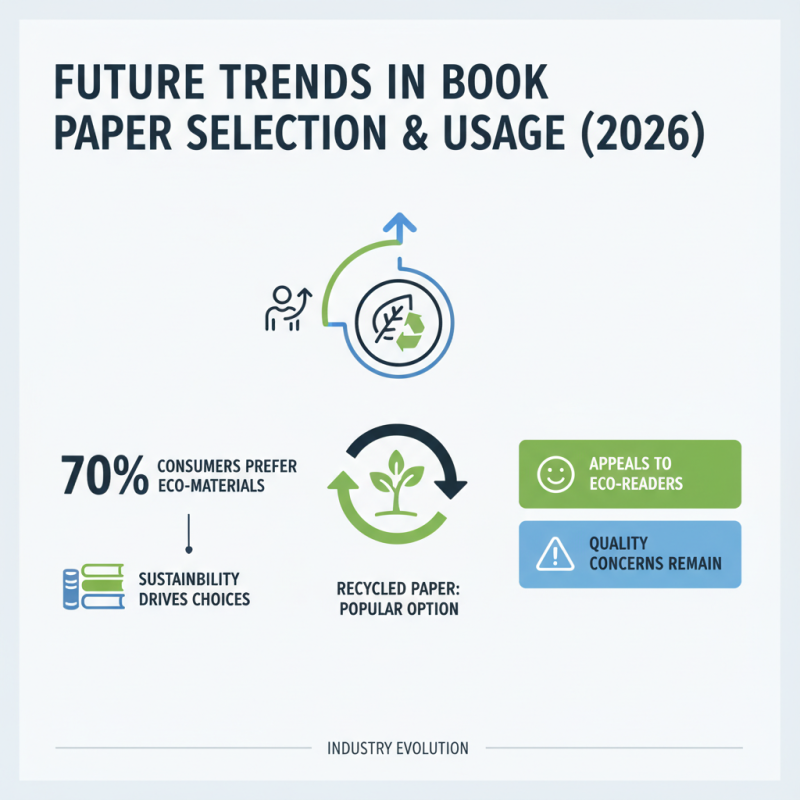
In 2026, the landscape of book paper selection is evolving dramatically. Sustainability is driving choices. According to industry reports, over 70% of consumers prefer eco-friendly materials. This trend will likely shape production processes. Recycled paper is becoming a popular option. It appeals to environmentally conscious readers. However, the quality perception still raises concerns. Not all recycled paper meets the standards of traditional types.
Innovations in technology are also influencing paper choices. Digital printing is changing how papers are manufactured. It allows for more personalized and varied textures. Studies show that 40% of publishers are exploring specialized coatings. These coatings enhance durability and print quality. Yet, some producers struggle with consistency across different batches. This can lead to unpredictability in final products, highlighting a need for better quality control.
Market data indicates a shift toward lightweight papers. This trend aims to reduce shipping costs and carbon footprints. However, these lighter options may compromise durability. Balancing weight and strength is a challenge facing the industry. Monitoring these developments will be essential for global buyers looking for reliable solutions.