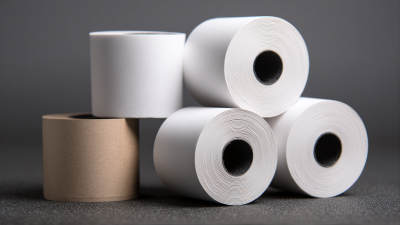
Unlocking the Secrets of Thermal Receipt Paper: The Future of Smart Printing Technology
In recent years, the evolution of Thermal Receipt Paper has become increasingly significant in the realm of smart printing technology, playing a vital role in the retail and hospitality sectors. According to a report by Grand View Research, the global thermal paper market is projected to reach USD 5.2 billion by 2025, driven largely by the growing adoption of thermal printing methods owing to their efficiency and cost-effectiveness. The transition towards digital solutions has further accelerated the demand for innovative smart printing techniques, with thermal receipt paper at the forefront of this transformation.
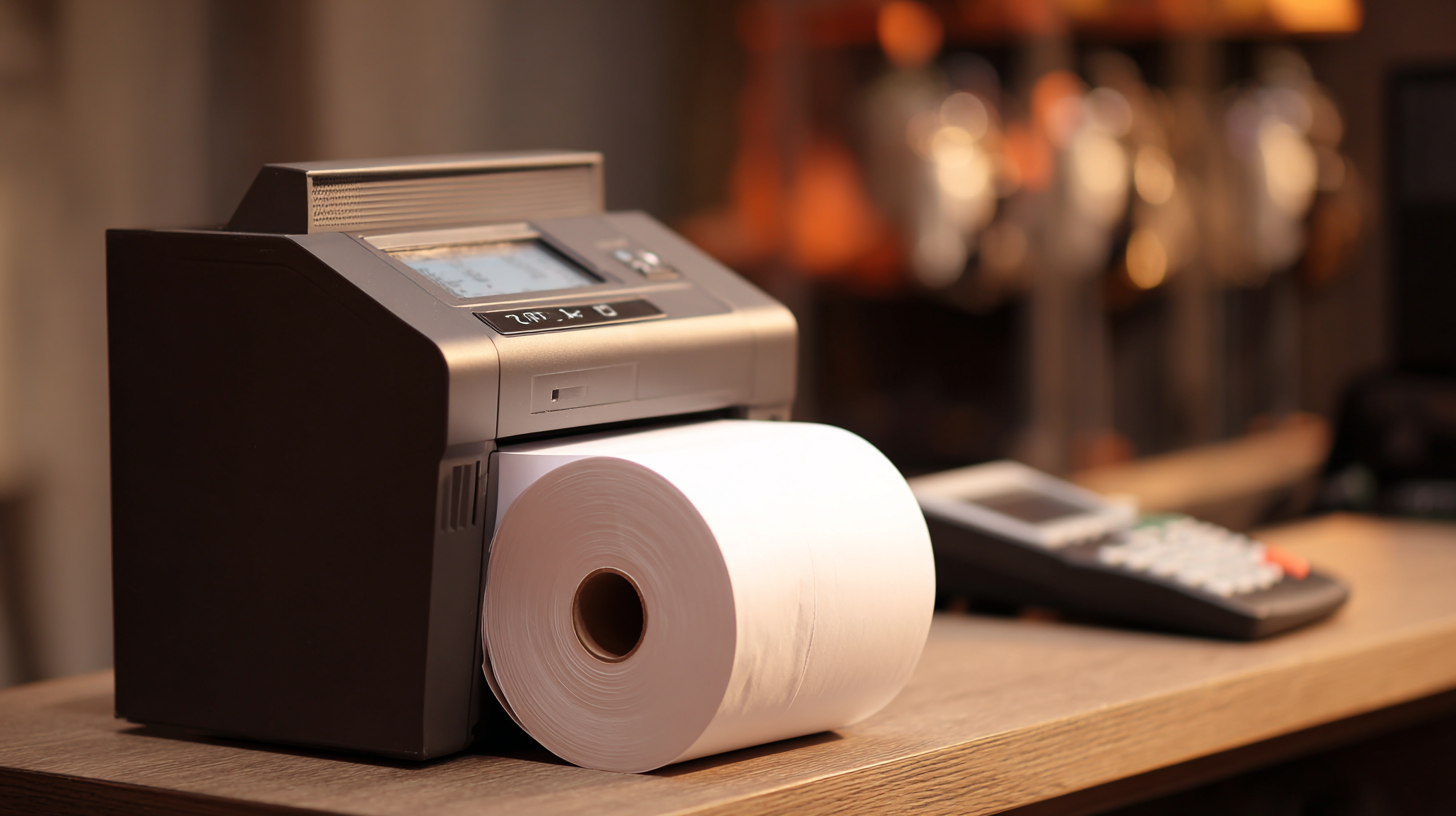
This paper not only enhances the speed and accuracy of transactions but also offers the potential for integration with digital payment systems and customer engagement platforms. As businesses adapt to changing consumer behaviors and technological advancements, understanding the capabilities and future prospects of thermal receipt paper will be crucial for leveraging its benefits in a rapidly evolving market.
Exploring the Functionality of Thermal Receipt Paper in Smart Printing
Thermal receipt paper has emerged as a pivotal component in the realm of smart printing technology, revolutionizing how businesses manage transactions and customer engagement. With the global thermal paper market projected to surpass $4.2 billion by 2026, as reported by MarketsandMarkets, the demand for efficient, high-quality printing solutions is on the rise. This trend is driven by the increasing adoption of point-of-sale systems and advancements in thermal printing technology, which offer faster processing times and reduced operational costs.
The functionality of thermal receipt paper lies in its unique composition, which allows it to change color when exposed to heat. This characteristic not only enhances the speed of printing but also ensures that the printed receipts are environmentally friendly, as they typically require no ink. According to a study by Smithers Pira, thermal paper accounts for approximately 25% of the total paper market in the retail and hospitality sectors. As businesses increasingly lean towards sustainable practices, the desire for eco-friendly printing solutions further underscores the significance of thermal receipt paper in the growing landscape of smart printing technologies.
Unlocking the Secrets of Thermal Receipt Paper: The Future of Smart Printing Technology
This chart illustrates the growing adoption of thermal receipt paper in smart printing technology across various industries from 2018 to 2023. The data highlights the increasing preference for eco-friendly, efficient solutions that enhance customer experiences.
Advantages of Thermal Printing Technology Over Traditional Methods
Thermal printing technology is swiftly gaining traction as the preferred choice for businesses seeking efficiency and reliability in their printing processes. According to a report by Grand View Research, the thermal printing market is expected to reach USD 52.33 billion by 2028, driven by rising demand across various applications including retail, logistics, and healthcare. One of the key advantages of thermal printing is its speed; thermal printers can produce high-quality prints at a significantly faster rate than traditional inkjet printers. This rapid output can enhance customer service and streamline operations in high-demand environments.
Furthermore, thermal printers offer notable cost savings over time. Unlike traditional printing methods that require costly ink replacements, thermal printers use heat to create images on specially coated paper, eliminating the need for ink altogether. As a study published in the Journal of Printing Science and Technology indicates, companies can save up to 30% on printing costs by switching to thermal systems. Additionally, thermal printing is environmentally friendly; the reduction of ink and associated waste addresses growing concerns around sustainability in business practices. This combination of speed, cost-effectiveness, and environmental benefits positions thermal printing technology as a forward-thinking solution in the realm of smart printing.
Innovative Applications of Smart Printing in Various Industries
The landscape of smart printing technology is evolving rapidly, with multiple industries harnessing innovative applications to enhance their operations and reduce environmental impact. One notable trend is the integration of 3D printing technologies that recycle food processing wastes, leading to more sustainable practices in food manufacturing and packaging. This transformative approach not only minimizes waste but also encourages the valorization of byproducts, promoting sustainability across the supply chain.
In parallel, advancements in smart materials and flexible electronics are revolutionizing various sectors, from construction to healthcare. The emergence of smart 3D-printed facades showcases how these materials can enhance energy efficiency while providing aesthetic benefits. Moreover, the development of intelligent polyurethane shape-memory polymers is paving the way for next-generation biomedical platforms, combining functionality with eco-friendly materials. These examples highlight the potential of smart printing technology not just as a functional tool, but as a pivotal element in fostering innovation and sustainable development across diverse industries.
Sustainability and Environmental Impact of Modern Thermal Paper Solutions
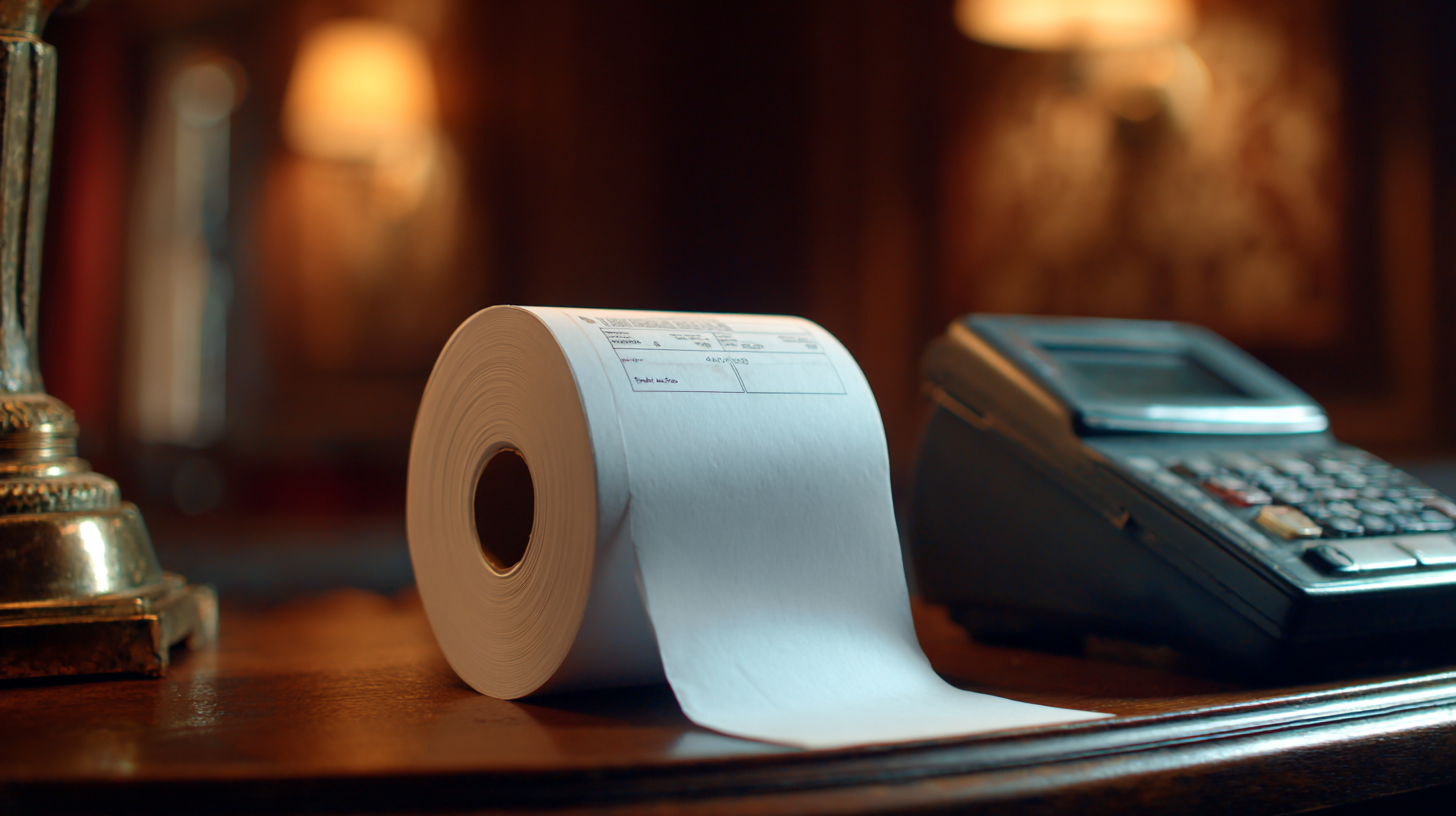 The sustainability and environmental impact of modern thermal paper solutions are increasingly under scrutiny as businesses and consumers alike seek eco-friendly alternatives. Traditional thermal receipt paper often contains high levels of bisphenol A (BPA), a chemical linked to adverse health effects and environmental concerns. According to a report by the Environmental Protection Agency, approximately 1.5 billion thermal receipts are produced annually in the U.S. alone, contributing significantly to waste and contamination in landfills. However, advancements in smart printing technology have led to the development of BPA-free and recyclable thermal papers, which aim to mitigate these issues.
Businesses looking to reduce their carbon footprint can adopt sustainable thermal paper solutions. One tip is to choose products labeled as "eco-friendly" or "BPA-free", as these options help minimize environmental harm without sacrificing quality. Furthermore, companies can partner with suppliers who prioritize sustainability in their manufacturing processes. Utilizing digital receipts when possible can also drastically cut down on paper waste, promoting a more sustainable approach to transactions.
In addition to selecting sustainable materials, adopting best practices in printing can enhance overall efficiency. For instance, ensure printers are set to print only when necessary, and train staff to encourage customers to opt for electronic receipts. By implementing these strategies, businesses can contribute to a greener future while embracing the benefits of modern smart printing technology.
Future Trends: The Evolution of Thermal Printing and Smart Technology Integration
The evolution of thermal printing technology has rapidly transformed the landscape of printing solutions. According to a report by Smithers Pira, the thermal printing market is projected to reach $50 billion by 2025, driven by advancements in smart technology integration. This growth is largely attributed to the increasing demand for efficient and cost-effective printing methods in various sectors, including retail, logistics, and healthcare. As businesses seek to enhance operational efficiencies, thermal printers are becoming the preferred choice due to their reliability and lower maintenance costs.
Moreover, the integration of smart technology is further revolutionizing thermal printing. The rise of IoT (Internet of Things) devices has enabled thermal printers to connect seamlessly with mobile applications and cloud services, improving accessibility and streamlining workflows. Future trends indicate that the incorporation of AI and machine learning will position thermal printers to anticipate user needs, optimize print output, and reduce waste. Estimates from Research and Markets suggest that the global smart printing technology market will experience a CAGR of 15% from 2023 to 2030, highlighting a significant opportunity for companies to leverage these innovations for enhanced customer engagement and operational success.