What is Photo Printing Paper at the 139th Canton Fair?
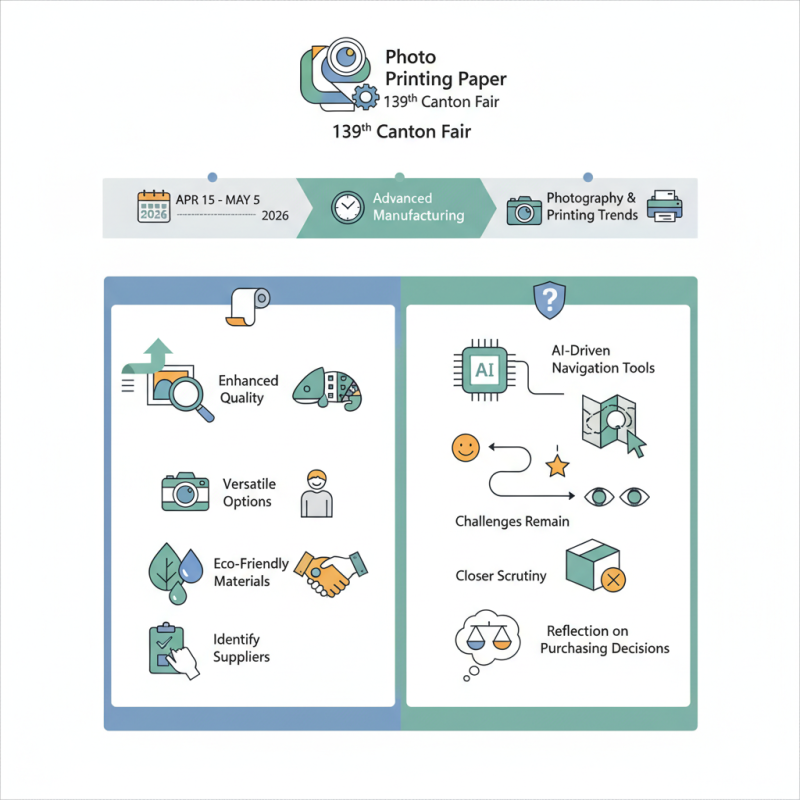
The 139th Canton Fair presents a unique opportunity to explore Photo Printing Paper. This event, held from April 15 to May 5, 2026, targets various sectors. Amidst advanced manufacturing and home decor, it highlights innovative trends in photography and printing.
Photo Printing Paper has evolved significantly. Attendees can expect to see enhanced quality and versatile options. This caters to both professional photographers and casual users alike. Specialized vendors will showcase eco-friendly materials and various finishes. Buyers should identify suppliers that meet their standards.
Navigating through the extensive venue becomes easier with AI-driven tools. However, challenges remain. Not all products advertised may meet expectations. Evaluating quality and performance often requires closer scrutiny. Reflection on purchasing decisions is crucial to avoid disappointment.
What is Photo Printing Paper? An Overview of Types and Uses
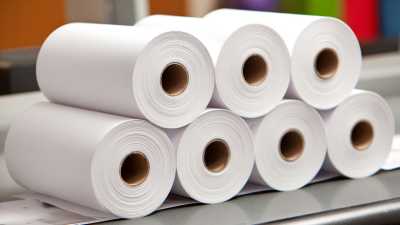
Photo printing paper comes in different types. Understanding these types helps in choosing the right paper. For amateur photographers, glossy paper enhances colors and gives vibrancy. It’s perfect for portraits and landscapes.
Matte paper, on the other hand, offers a softer finish. This is ideal for fine art prints and black-and-white photography.
Tips: Always test a small print first. This saves paper and ink. Don't ignore the texture. It can change the look of your final image.
Some papers are more absorbent. Others have a quicker drying time. Certain papers may warp after printing. It's important to research specifications. Sample packs are available for testing. Don’t be afraid to experiment with different finishes. Sometimes, the unexpected turns out to be the best choice.
Key Features of Photo Printing Paper: Quality and Performance Metrics
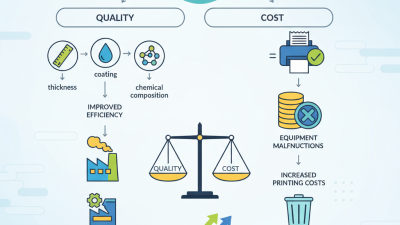
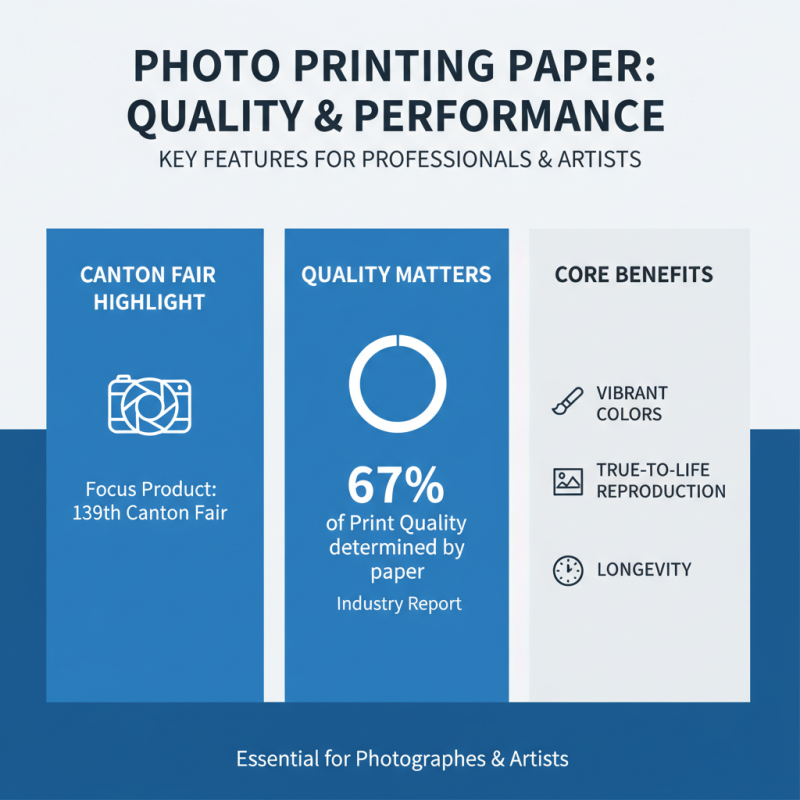
At the 139th Canton Fair, photo printing paper is a key focus. The quality and performance metrics are crucial for both professionals and hobbyists. According to a recent industry report, approximately 67% of print quality is determined by the paper used. High-quality photo printing paper offers vibrant colors, true-to-life reproduction, and longevity. It is essential for photographers and artists.
One significant feature is the paper weight. Papers ranging from 190 to 300 gsm are preferred for rich textures. A heavier weight often results in better ink absorption. This enhances the overall print quality. Another important metric is brightness. Reports suggest that a brightness level above 90 improves color accuracy and contrast. Users often overlook this detail, yet it profoundly affects outcomes.
However, challenges exist. The market is flooded with options, and not all papers meet expectations. Cheaper alternatives may compromise on finish and durability. This can lead to poor results that might frustrate users. Continuous feedback from professionals highlights the need for better material evaluations. Quality control remains a vital area for improvement in the industry. Choosing the right paper requires careful consideration of these metrics.
Market Trends in Photo Printing Paper: Insights from the 139th Canton Fair
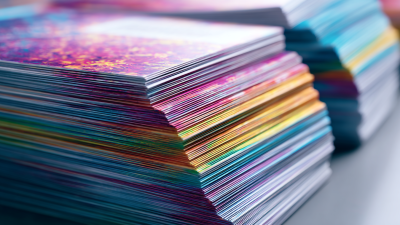
At the 139th Canton Fair, photo printing paper took center stage, showcasing its diverse applications and innovations. Visitors observed a range of textures and finishes, which sparked interest among photographers and artists alike. Some papers offered glossy surfaces, perfect for vibrant color reproduction. Others had a matte finish, appealing to a more subdued aesthetic. The variety signifies a growing demand for customized solutions in the market.
The fair highlighted key market trends in photo printing paper. Sustainability emerged as a fascinating discussion point. Many manufacturers are now exploring eco-friendly materials. This shift reflects a wider industry trend toward environmentally responsible practices. However, challenges remain. Some attendees raised concerns about the higher costs associated with sustainable options. The balance between cost-effectiveness and environmental responsibility is delicate.
Networking opportunities at the fair provided insight into evolving consumer preferences. Creatives are increasingly seeking papers that offer not only quality but also emotional resonance. The conversation around texture and feel was vibrant, indicating a shift toward experiential qualities in photo printing. Yet, there are still gaps in education about the importance of paper choice among consumers. This awareness could significantly impact future sales as trends evolve.
Comparative Analysis: Photo Printing Paper vs. Standard Printer Paper
At the 139th Canton Fair, photo printing paper attracted significant attention. It stands out in quality when compared to standard printer paper. Photographers and artists prefer it for its vibrant color reproduction and durability. The texture of photo printing paper enhances image depth and detail. In contrast, standard printer paper fails to deliver such striking results.
Photo printing paper often features a glossy or satin finish. This captures light beautifully, making images pop off the page. Standard printer paper, however, typically has a matte finish, which can dull the vibrancy of colors. It's crucial to choose the right paper for the intended use. Some may find standard paper adequate for basic printing tasks. But it can leave you yearning for the brilliance that photo paper provides.
While exploring options, consider the weight of the paper. Photo printing paper is usually thicker, giving it a premium feel. Standard paper is lighter and more affordable, suitable for everyday use. Still, those seeking high-quality prints might reflect on the value of investing in better paper. The difference in outcome is notable, even if one occasionally opts for the cheaper alternative.
What is Photo Printing Paper at the 139th Canton Fair? - Comparative Analysis: Photo Printing Paper vs. Standard Printer Paper
| Paper Type |
Weight (gsm) |
Finish |
Color Reproduction |
Cost (per A4 sheet) |
| Photo Printing Paper |
210 |
Glossy |
High |
$0.30 |
| Photo Printing Paper |
230 |
Matte |
Very High |
$0.35 |
| Standard Printer Paper |
80 |
Smooth |
Low |
$0.05 |
| Standard Printer Paper |
100 |
Recycled |
Medium |
$0.04 |
Environmental Considerations in Photo Printing Paper Manufacturing
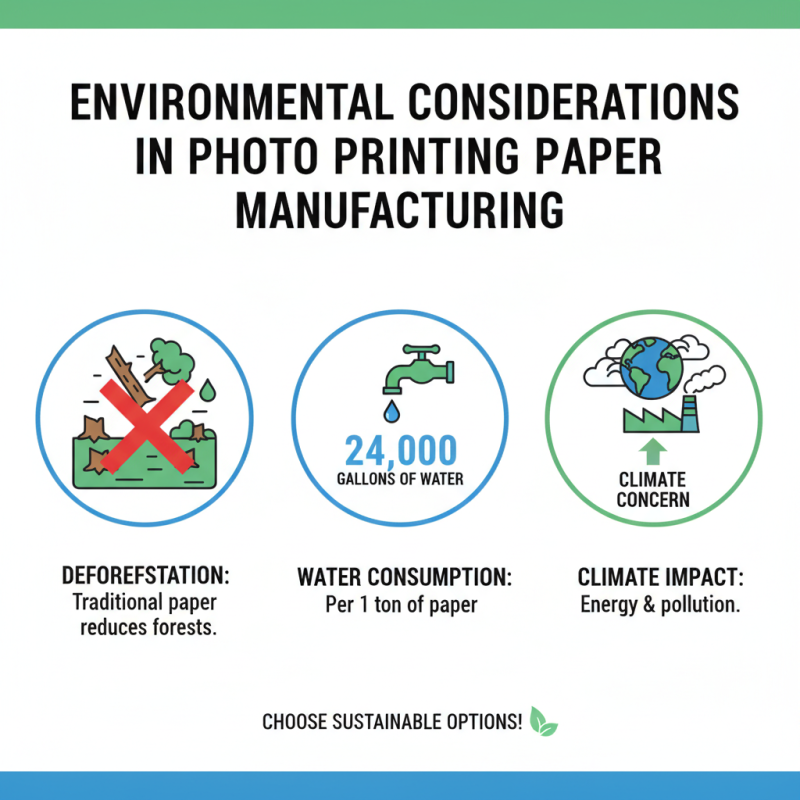
The production of photo printing paper has significant environmental implications. A recent study shows that traditional paper manufacturing can lead to considerable deforestation. For every ton of paper produced, about 24,000 gallons of water are consumed. This water-intensive process raises eyebrows in an era of climate concern.
Currently, some manufacturers are shifting towards sustainable practices. Reports indicate that recycled content in photo paper can significantly reduce environmental impact. Using post-consumer waste can lower energy consumption by up to 50%. Nevertheless, many companies still rely on virgin materials, which poses serious sustainability questions.
Additionally, the chemical processes in paper production are alarming. Harmful substances often leach into waterways. The World Wildlife Fund notes that improper disposal of these chemicals can endanger aquatic ecosystems. Despite the increased awareness, the transition to eco-friendly production remains slow. Businesses must prioritize greener alternatives to protect the planet.