Understanding Offset Paper: The Eco-Friendly Choice for Sustainable Printing
 Offset Paper has gained recognition as an eco-friendly choice for sustainable printing, aligning with the growing demand for environmentally responsible practices in the publishing and printing industries. According to a report by Smithers Pira, the global demand for sustainable paper is expected to grow by 3.5% annually, highlighting a significant shift towards more environmentally-friendly materials. Offset Paper, known for its high-quality finish and durability, is typically produced from responsibly sourced wood pulp, which can significantly reduce the carbon footprint of printed materials.
Furthermore, studies suggest that the life cycle of offset printed products can yield a lower environmental impact when compared to digital alternatives, making it a preferred option among environmentally-conscious businesses. As consumers continue to prioritize sustainability, Offset Paper stands out as a practical and responsible choice, reinforcing the commitment of the printing industry to ecological stewardship while still delivering superior print quality.
Choosing the Right Offset Paper for Your Printing Needs
When it comes to selecting the right offset paper for your printing needs, understanding the types available and their environmental impact is crucial. Offset paper, known for its high-quality finish and versatility, is an excellent choice for both professional and personal printing projects. When choosing, consider factors such as weight, brightness, and texture, all of which can significantly affect the final appearance of your printed materials. Lighter weights may be more suitable for bulk printing, while heavier stocks can provide a premium feel for special documents.
Additionally, eco-friendliness is a key aspect when selecting offset paper. Many manufacturers now offer recycled and sustainably sourced options, allowing you to align your printing practices with environmentally responsible choices. Pay attention to certifications and the origin of the paper to ensure it meets sustainable standards. By focusing on these criteria, you can confidently select the right offset paper that not only fits your printing requirements but also supports a greener planet.
Understanding Offset Paper: The Eco-Friendly Choice for Sustainable Printing
| Paper Type |
Weight (gsm) |
Brightness (%) |
Recycled Content (%) |
Environmental Certification |
| Uncoated Offset Paper |
80 |
92 |
100 |
FSC Certified |
| Coated Offset Paper |
90 |
95 |
50 |
PEFC Certified |
| Recycled Offset Paper |
70 |
88 |
100 |
EU Ecolabel |
| Synthetic Offset Paper |
120 |
97 |
0 |
Not Applicable |
Evaluating the Environmental Impact of Offset Paper Options
Offset paper has emerged as a sustainable alternative in the printing industry, with an emphasis on minimizing environmental impact. This paper type is usually produced from recycled materials or sustainably sourced wood pulp, significantly reducing deforestation and conserving resources. By choosing offset paper, businesses and consumers alike can support eco-friendly practices, helping to decrease carbon footprints and promote greener alternatives for traditional printing methods that rely on harmful chemicals and processes.
Moreover, the lifecycle of offset paper holds significant sustainability advantages. This paper is recyclable, compostable, and often produced with water-based inks, which lowers toxicity compared to conventional inks. Numerous studies indicate that using offset paper leads to lower levels of waste and emissions throughout its production and use phases. As awareness of environmental issues grows, the adoption of offset paper represents a conscious choice that contributes to a more sustainable future in printing, aligning with global goals for reducing environmental harm and encouraging responsible consumption practices.
Understanding Offset Paper: The Eco-Friendly Choice for Sustainable Printing
This chart illustrates the carbon footprint (in kg CO2) of different paper options commonly used in printing. The data compares the environmental impact of offset paper to that of recycled paper and traditional paper.
Exploring the Benefits of Using Eco-Friendly Inks with Offset Paper
Offset printing has long been a staple in the industry, but the introduction of
eco-friendly inks has revolutionized this process, making it a sustainable choice for modern printing needs. According to a report by the
Environmental Paper Network, switching to eco-friendly inks can reduce the carbon footprint of printing by up to
25%. These inks are often made from renewable resources and are free from harmful solvents, ensuring a lower environmental impact while maintaining high quality and vibrant colors.
Furthermore, using eco-friendly inks with offset paper not only benefits the environment but also enhances the print quality. Studies have shown that these inks provide
excellent color fidelity and durability compared to traditional inks. The
National Association of Printing Ink Manufacturers highlights that the adoption of bio-based inks can lead to improved recyclability of printed materials, aligning with the industry’s shift towards
circular economy practices. As businesses and consumers increasingly prioritize sustainability, the combination of offset paper with eco-friendly inks emerges as a forward-thinking solution that meets both ecological and aesthetic demands.
Implementing Sustainable Practices in Your Printing Process
Implementing sustainable practices in your printing process is essential for reducing environmental impact. One significant step is the choice of paper.
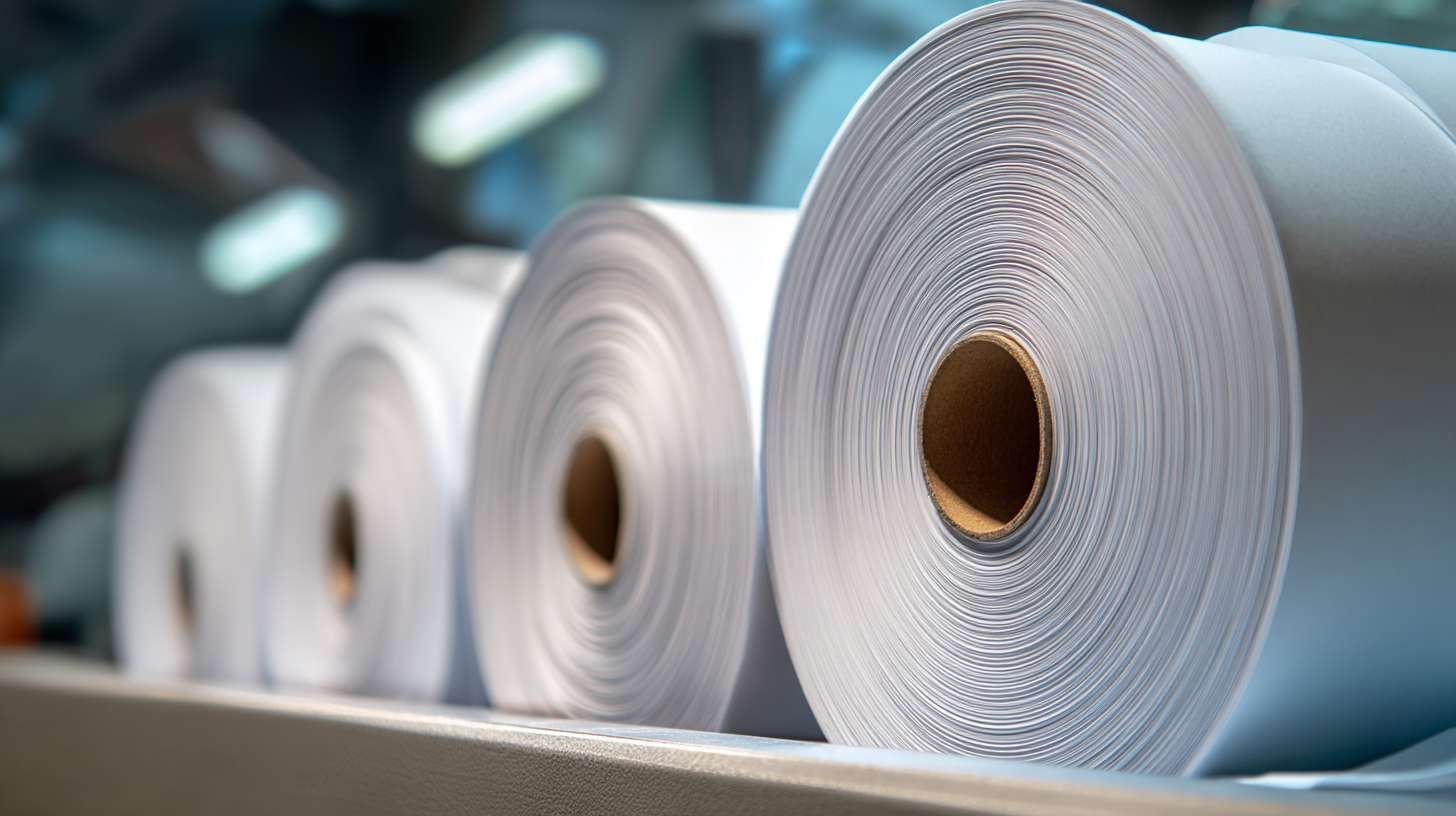 Offset paper, recognized for its eco-friendly composition, uses recycled materials and is often sourced from sustainably managed forests. By choosing offset paper, printers can minimize waste and support responsible forestry, aligning their operations with green practices.
Another key aspect of sustainability in printing is the optimization of the entire production workflow. This includes reducing energy consumption through modern printing technologies and utilizing vegetable-based inks. Such inks not only lower harmful emissions but also improve the recyclability of printed materials. Additionally, implementing efficient inventory management helps in minimizing excess production and waste, further contributing to a sustainable printing process. By prioritizing these methods, businesses can achieve both environmental responsibility and cost-effectiveness while enhancing their overall brand image.
Tips for Recycling and Disposing of Offset Paper Responsibly
Offset paper is increasingly recognized as an eco-friendly choice for sustainable printing, and responsible recycling and disposal practices are essential to maximizing its environmental benefits. According to the American Forest & Paper Association, about 66% of paper is recycled, but only 27% of that comes from printing and writing papers like offset. To improve these statistics, businesses and consumers must prioritize recycling their used offset paper. Ensuring that paper is collected, sorted, and processed correctly can significantly reduce waste and lower the carbon footprint associated with paper production.
In addition to recycling, businesses should adopt best practices for paper disposal. The Paper and Paperboard Packaging Environmental Council emphasizes the importance of using designated recycling bins and consulting local waste management guidelines to prevent contamination in recycling streams. Moreover, many municipalities offer drop-off points for paper recycling, providing an accessible option for companies and individuals. By being proactive about how we manage offset paper, we not only protect natural resources but also promote a circular economy where materials are reused, thus reducing the need for virgin resources.