Exploring the Evolution of Magazine Paper: From Traditional Print to Digital Trends
The evolution of magazine paper has witnessed a transformative journey, transitioning from traditional print formats to the dynamic digital trends that characterize the current media landscape. According to a report by Smithers Pira, the global magazine paper market is projected to reach approximately $6 billion by 2025, indicating the enduring relevance of print in an increasingly digital world. This noteworthy statistic underscores the necessity for industry professionals to adapt to changing consumer preferences while retaining the essence of printed magazine experiences.
Expert insights further illuminate this shift; Dr. Amanda Richards, a recognized authority in the magazine publishing sector, states, "While digital mediums offer unparalleled convenience, the tactile nature of magazine paper continues to resonate with readers who seek a tangible connection to the content." Her observations highlight the crucial balance that magazine publishers must strike when integrating digital platforms without compromising the cherished qualities of print. As we explore the trajectory of magazine paper, it becomes evident that understanding this evolution is essential for publishers aiming to navigate the complexities of modern media dissemination effectively.
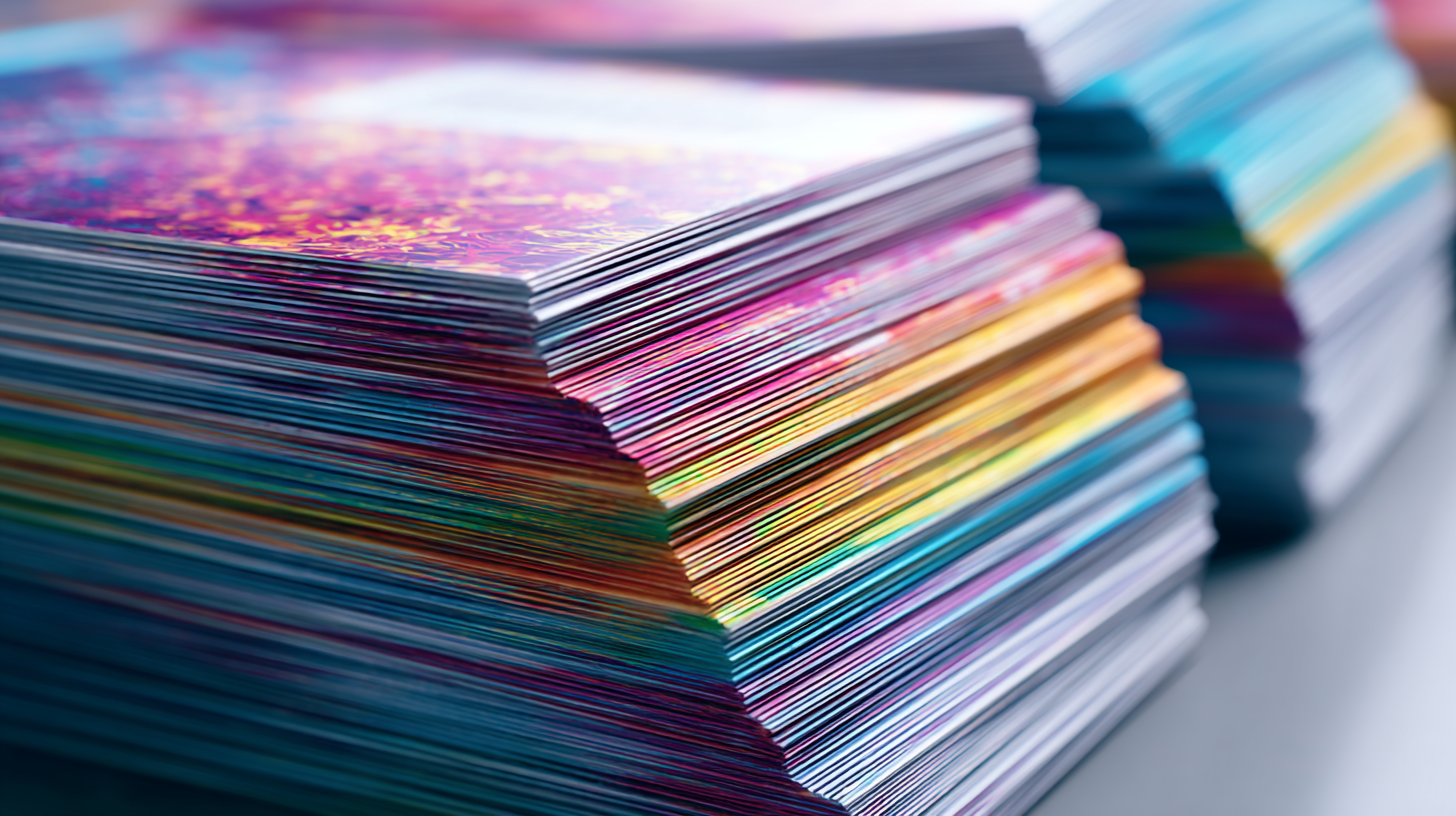
The Origins of Magazine Printing: A Historical Perspective
 The evolution of magazine printing has deep historical roots, tracing back to the emergence of printed media in the 17th century. Initially, magazines were specialized publications that catered to specific audiences, offering a blend of literature, art, and commentary. Over the decades, innovations in printing technology—such as the steam-powered press in the 19th century—revolutionized production processes, enabling a wider distribution of content. This transition laid the groundwork for the vibrant magazine industry we recognize today.
In contemporary times, the shift from traditional print to digital formats has significantly transformed how magazines are consumed. Reports indicate that more than 80% of magazine readership now occurs online, a stark contrast to past decades when print dominated the landscape. This digital trend wasn't merely a response to technological advancements; it also highlighted a cultural shift as audiences increasingly sought immediacy and interactivity in their reading experiences.
In addition, the growing popularity of multimedia elements—such as videos and interactive content—has pushed magazines to adapt continually, reinforcing the importance of historical context in understanding the trajectory of publishing. As we look ahead, examining these historical perspectives becomes essential for grasping the future of magazine media in an ever-evolving digital world.
Key Innovations in Traditional Magazine Paper Production
The production of traditional magazine paper has undergone significant innovations over the years, driven by technological advancements and a growing awareness of sustainability. One of the key innovations is the development of eco-friendly paper materials, which utilize recycled content and sustainable sourcing practices. Manufacturers are increasingly embracing processes that reduce environmental impact, such as using water-based inks and biodegradable coatings, aligning with the industry's shift towards greener practices.
In addition to sustainability, advancements in printing technology have revolutionized magazine paper production. High-definition printing techniques enable the reproduction of vibrant colors and intricate designs, enhancing the overall aesthetic appeal of magazines. Furthermore, the introduction of digital printing methods allows for short-run production and on-demand printing, giving publishers greater flexibility and reducing waste. This evolution not only caters to the diverse needs of consumers but also allows magazines to stay relevant in a fast-paced digital landscape.
Transitioning to Digital: The Impact on Content Consumption
The transition from traditional print to digital media has profoundly impacted how content is consumed today. According to a recent report by Statista, the digital magazine market is expected to reach approximately $21.79 billion by 2026, reflecting a significant shift in reader behavior. This digital transformation has led to more interactive content, catering to audiences who demand immediacy and engagement. Readers now have access to multimedia formats—including videos, podcasts, and infographics—enhancing their overall experience and making information more accessible.
Tips for magazine publishers: Embrace multimedia content to meet evolving consumer preferences. Including videos and interactive elements can keep your audience engaged and encourage longer reading times. Additionally, utilizing analytics tools can help track reader behavior, allowing for personalized content recommendations that enhance user retention.
As digital platforms continue to evolve, the need for timely and relevant content becomes paramount. Recent studies show that mobile usage accounts for over 54% of all digital magazine consumption, emphasizing the importance of mobile-optimized designs. Publishers must ensure their content is easily accessible on a variety of devices to keep pace with these trends. Adjusting strategies to prioritize mobile and digital-first approaches can lead to sustained readership growth.
The Rise of Eco-Friendly Materials in Magazine Publishing
The publishing industry is witnessing a significant shift towards eco-friendly materials, driven by rising consumer demand for sustainability. Recent trends indicate that the global eco-friendly packaging market, for example, is set to double in value by 2032, showcasing a robust interest in sustainable solutions. As consumers become more environmentally conscious, traditional magazines are evolving to incorporate recycled and biodegradable materials in their publications. This transition not only meets consumer expectations but also aids in reducing the environmental footprint associated with paper production.
**Tips:** Opt for magazines that advertise their use of sustainable materials. Look for certifications or labels indicating eco-friendly practices. When disposing of magazines, consider recycling them to further minimize waste.
Emphasizing sustainability, the magazine industry is also exploring innovative production methods, such as using plant-based inks and reducing the reliance on plastics in packaging. The rise of eco-friendly paper holograms exemplifies this innovative spirit, as these materials are making strides across various sectors, including pharmaceuticals and food and beverage. As the demand for sustainable practices continues to rise, magazine publishers are not only adapting but are also setting new standards for eco-conscious production in the industry.
**Tips:** Engage with brands that prioritize sustainability in their operations. Supporting eco-friendly publication practices contributes to a larger movement toward sustainability in consumer goods.
Exploring the Evolution of Magazine Paper: From Traditional Print to Digital Trends
This chart illustrates the shift in magazine publishing materials from traditional print to digital formats, highlighting the rising use of eco-friendly materials over time.
Future Trends: Integrating Augmented Reality in Digital Magazines
Augmented Reality (AR) is rapidly transforming the landscape of digital magazines, creating immersive experiences that bridge the gap between print and digital content. As magazines embrace this technology, readers can expect a more engaging interaction with their favorite publications. For instance, AR features can bring illustrations to life, allowing users to visualize complex topics through 3D representations. This integration enhances storytelling by providing additional layers of information that were previously unattainable through traditional print media.
The future of magazine publishing will heavily rely on innovative AR applications tailored to improve user engagement. With advancements in AR technology, magazines are set to incorporate interactive advertisements and augmented experiences that connect readers to brands and products in more meaningful ways. This shift is not only about enhancing the reading experience but also about creating a more dynamic marketplace where consumers can interact with content, shop directly from their devices, and share experiences with their social circles, thus seamlessly merging entertainment with commerce. As we look towards 2025, these developments indicate that the magazine industry will continue to evolve, embracing new trends that leverage AR for broader reach and enhanced reader loyalty.
Exploring the Evolution of Magazine Paper: From Traditional Print to Digital Trends - Future Trends: Integrating Augmented Reality in Digital Magazines
| Year |
Magazine Type |
Print Circulation (millions) |
Digital Circulation (millions) |
Augmented Reality Usage (%) |
| 2015 |
Fashion |
8 |
2 |
5 |
| 2016 |
Lifestyle |
7 |
4 |
10 |
| 2017 |
Health |
5 |
6 |
15 |
| 2018 |
Technology |
4 |
10 |
20 |
| 2019 |
Travel |
3 |
12 |
30 |
| 2020 |
Entertainment |
2 |
15 |
35 |
| 2021 |
Home & Garden |
1.5 |
18 |
40 |
| 2022 |
Business |
1 |
20 |
45 |
| 2023 |
Sports |
0.5 |
25 |
50 |