10 Essential Tips for Choosing the Right Offset Paper for Your Printing Needs?
Choosing the right offset paper for your printing needs can be daunting. Industry expert John Williams, who has over 20 years of experience, states, “The right paper elevates your print quality significantly.” His insight highlights the importance of understanding various offset paper types and their distinct characteristics.
Offset paper varies widely, from weight to finish, each influencing the final product. For example, thicker papers provide a premium feel, while lighter options are cost-effective for bulk prints. When selecting offset paper, consider your project’s purpose and required durability. You might find that not all papers perform equally in different printing processes.
It’s common to overlook aspects like ink absorption and environmental impact. Reflecting on these factors can guide you toward making more informed choices. Inadequate research might lead to underwhelming results. Understanding materials empowers better decisions and ultimately enhances your printing projects.

Understanding the Basics of Offset Paper Types and Grades
When selecting offset paper for printing, understanding the types and grades is crucial. Offset paper is typically divided into uncoated and coated varieties. Uncoated paper is often chosen for its absorbency. This allows for vibrant ink colors. Coated paper, on the other hand, offers a sleek finish and holds ink better, enhancing sharpness in images. According to a study by Printing Industries of America, uncoated paper comprises 60% of the market due to its versatility.
Grades of offset paper reflect its quality and intended use. For instance, the basis weight indicates the thickness and sturdiness of the paper. Photobook quality papers tend to have a higher basis weight, making them thicker and more durable. Different grades cater to a variety of projects, from brochures to business cards. However, the cost can vary significantly across grades. Some businesses struggle to find the balance between price and quality. It's essential to assess the final product's appearance and functionality against the budget constraints.
Environmental impact is another factor in choosing offset paper. Many printers are now looking for recycled options. Sustainable paper choices can reduce a project’s carbon footprint, aligning with global shifts towards eco-friendliness. The challenge lies in sourcing high-quality recycled paper that meets printing standards. Continuous conversation about quality versus sustainability can bring unforeseen hurdles to project timelines. Understanding these dynamics ensures informed decisions.
10 Essential Tips for Choosing the Right Offset Paper for Your Printing Needs
| Tip No. |
Tip |
Description |
Recommended Paper Grade |
| 1 |
Consider the Finish |
Different finishes (glossy, matte) affect look and feel. |
Coated Paper |
| 2 |
Weight Matters |
Heavier paper is often more durable and luxurious. |
120-350 gsm |
| 3 |
Evaluate Brightness |
Higher brightness means better color reproduction. |
90+ brightness rating |
| 4 |
Select the Right Texture |
Texture can add depth and interest to prints. |
Textured Paper |
| 5 |
Check Opacity |
Good opacity prevents print from showing through. |
Opaque Paper |
| 6 |
Consider the Print Method |
Different methods work better with certain paper types. |
Varies with technology used |
| 7 |
Evaluate Environmental Impact |
Choose sustainable options when possible. |
Recycled Paper |
| 8 |
Test for Compatibility |
Run tests to see how your design looks on various papers. |
Various samples |
| 9 |
Look for Reviews |
Research user experiences with specific paper brands. |
Market-leading options |
| 10 |
Consult a Professional |
Seek advice from printing experts for tailored recommendations. |
Professional-grade solutions |
Evaluating Paper Weight and Thickness for Your Print Job
Choosing the right offset paper involves careful consideration of paper weight and thickness. These two factors significantly impact the final outcome of any print job. For instance, a heavier paper can enhance the perception of quality. Typically, paper weight is measured in grams per square meter (gsm). A standard business card often uses paper ranging from 250 to 350 gsm. In contrast, brochures may use lighter options, typically between 150 to 200 gsm.
Thickness, often referred to as caliper, also matters. Thicker papers are more rigid and lend themselves to high-quality prints. However, not all printers handle thick paper well. Some may require adjustments or specific settings for optimal results. A misjudged thickness can lead to paper jams or unsatisfactory print clarity.
Consider your project’s purpose when assessing these elements. A flyer might thrive on a lighter stock to reduce mailing costs. Conversely, a high-end report could benefit from a heavy, textured paper to draw attention. Keep these factors in mind. The balance between aesthetics and functionality may not always be straightforward, but it's crucial for a successful print job.
Considering Finish Options: Coated vs. Uncoated Paper
When choosing offset paper, finish options play a critical role. Coated and uncoated papers each offer unique benefits. Coated paper has a smooth surface, enhancing image quality and vibrancy. This finish is ideal for projects with rich illustrations or photographs. The glossy texture makes colors pop, creating eye-catching prints. However, coated paper can be less effective for writing or printing with certain inks.
On the other hand, uncoated paper provides a more natural feel. It absorbs ink better, which can result in softer colors. This is an excellent choice for projects needing high readability, like brochures or flyers. Uncoated paper often feels more substantial and gives a professional touch, emphasizing the content over visual effects. Yet, it can be less vibrant, leading to somewhat muted colors in prints.
Consider your specific printing goals carefully. Each finish option has strengths and weaknesses. Analyze the intended use of your printed materials. Reflect on whether image quality or readability is the priority. Your choice should support your project’s overall purpose and aesthetic. Such considerations can make a substantial difference in the final outcome.
Coated vs. Uncoated Paper: Essential Factors for Printing
Assessing Color Quality and Brightness in Offset Printing
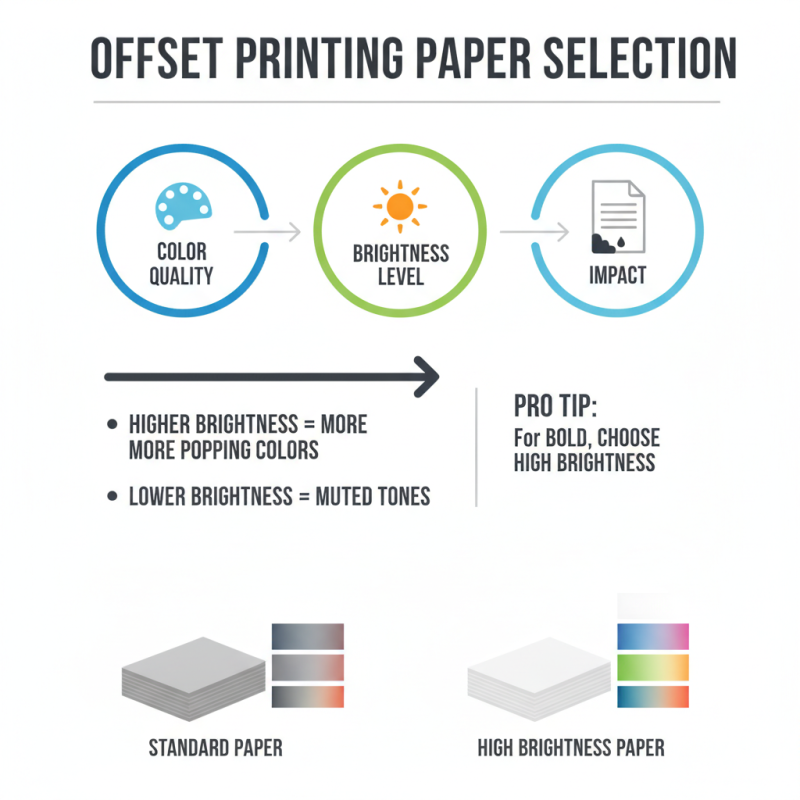
When selecting offset paper for printing, assessing color quality and brightness is crucial. High-quality color representation hinges on the paper's brightness level. A brighter sheet will yield more vibrant colors and sharper contrasts. Opt for papers with a higher brightness rating if your project demands bold and vivid printing. Consider that brightness can differ significantly among paper types.
Color quality is not solely about brightness, though. The paper's texture also plays a vital role. A smooth finish showcases clearer images, while a textured surface may enhance the tactile experience. Experimenting with various textures can lead to unexpected yet pleasing results. It’s essential to balance aesthetic choices with practical considerations. Keeping track of how different inks react to paper is necessary for output consistency.
Don't overlook the importance of color reproduction. Some papers can alter the perceived hue of printed colors. Over time, using the wrong paper type may lead to dissatisfaction with project outcomes. Testing paper samples under various lighting conditions can reveal discrepancies in color quality. Reflecting on past printing jobs will inform better choices moving forward. Choose wisely, combining artistry and practicality for effective results.
Budgeting for Your Printing Project: Cost vs. Quality Balance
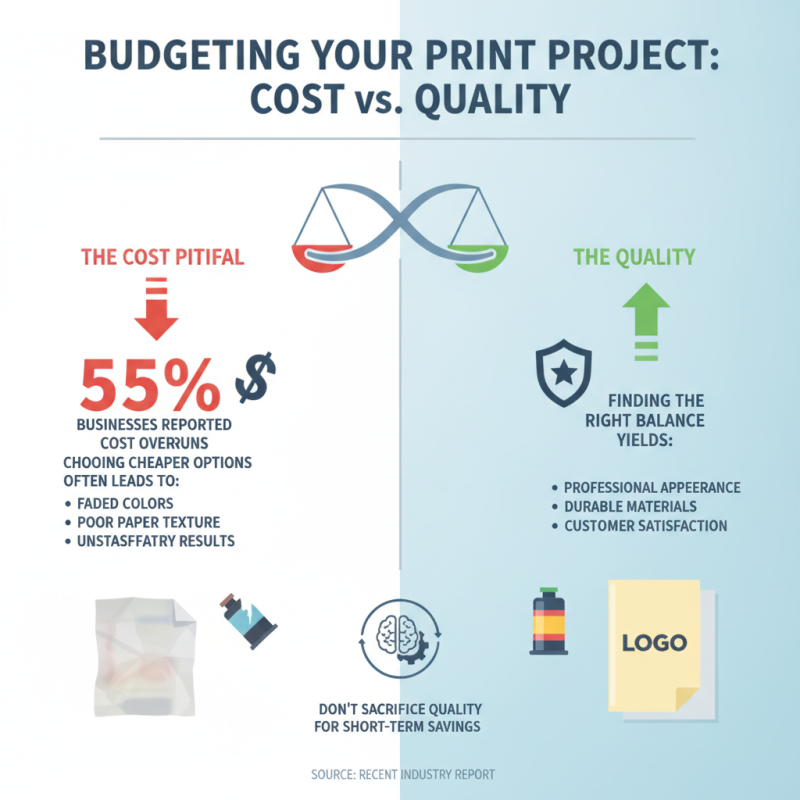
When budgeting for your printing projects, it’s crucial to find the right balance between cost and quality. According to a recent industry report, nearly 55% of businesses reported cost overruns in their printing projects. They often chose cheaper options, sacrificing quality in the process. This decision can lead to unsatisfactory results, such as faded colors or poor paper texture.
Understanding the types of offset paper is essential. High-quality paper enhances colors and provides a professional finish, which can elevate your brand image. A study revealed that 70% of consumers feel more favorable toward a brand when they receive high-quality printed materials. However, premium papers can be significantly more expensive. Some options may increase costs by up to 30%. Businesses need to weigh these costs against their potential impact on customer perception.
Consider working with industry experts who can offer insights. They can help predict how different papers affect both budget and quality. Regularly reviewing print project costs can reveal patterns in spending and quality. This shows the importance of ongoing reflection in your choices. Making informed decisions will ultimately lead to better outcomes.