10 Essential Tips for Choosing the Right Magazine Paper for Your Printing Needs
When it comes to producing high-quality magazines, selecting the right magazine paper is crucial. According to industry expert Mark Johnson, a leading figure in print production, "The choice of paper can significantly impact the aesthetic and tactile experience of a magazine." With so many options available, finding the perfect magazine paper requires a keen understanding of various factors—including weight, finish, and sustainability—that influence both the print quality and the visual appeal of the final product.

In this guide, we will delve into the top 10 essential tips to help you navigate the complexities of choosing magazine paper tailored to your specific printing needs. From glossy finishes that enhance color vibrancy to matte textures that provide a sophisticated feel, each type of magazine paper has unique characteristics that can elevate your publication. As you embark on this journey, consider how these tips can streamline your decision-making process and lead to a magazine that not only meets your expectations but also captivates your audience.
Understanding Different Coatings: Matte vs. Glossy for Print Quality
When it comes to choosing the right magazine paper for your printing needs, understanding the difference between matte and glossy coatings is crucial for achieving the desired print quality.
 Matte paper has a non-reflective finish, which gives it a sophisticated and elegant appearance. This type of coating is ideal for publications that prioritize readability and a refined look, as it minimizes glare and enhances the legibility of text and images. Furthermore, matte paper lends itself well to vibrant colors without oversaturation, offering a more subtle and artistic representation of visuals.
On the other hand, glossy paper has a shiny finish that provides a high level of vibrancy and contrast, making it perfect for magazines that rely heavily on imagery. The reflective surface of glossy paper enhances colors and allows photos to appear bright and eye-catching. However, the downside is that glossy coatings can produce glare, which may hinder readability in certain lighting conditions.
When selecting paper for your magazine, consider these tips: Evaluate the purpose of your publication. If you're showcasing artwork or photography, glossy may be your best bet. For text-heavy magazines, matte could enhance engagement. Additionally, think about the tactile experience; matte paper often feels more luxurious, while glossy can add a modern touch. Finally, consult with your printer to ensure that your chosen coating matches their capabilities for the best final product.
Key Factors in Paper Weight: Importance of GSM in Magazine Printing
When selecting the right magazine paper, understanding the significance of
paper weight is crucial.
The GSM, or grams per square meter,
is a standard measurement that indicates the density and thickness of the paper.
A higher GSM typically reflects a sturdier paper, which can enhance the overall
feel and quality of the magazine.
For instance,
a GSM of 100-130 is suitable for pages, while a weight
of 150-200 GSM is often recommended for covers.
This distinction not only affects the magazine's appearance but also influences
its durability and resistance to wear and tear.
Choosing the right GSM is essential because it directly affects both
print quality and
reader experience.
Heavier paper can better withstand handling, reducing the likelihood of
tears and creases, which is vital for magazines that will be frequently read
or passed around. Conversely, lighter papers can be a cost-effective
choice for mass distribution but may compromise longevity.
Therefore, understanding the implications of paper weight and GSM will guide
printers in making informed decisions that align with their specific branding
and audience engagement goals.
Recycling and Sustainability: Choosing Eco-Friendly Paper Options
When choosing magazine paper, an increasing emphasis on recycling and sustainability is crucial. According to a report by Smithers Pira, the global market for sustainable packaging is projected to reach $500 billion by 2024, driven by growing consumer demand for eco-friendly products. This trend underscores the importance of selecting paper that not only meets your printing needs but also aligns with environmental goals. Papers certified by organizations like the Forest Stewardship Council (FSC) ensure that the raw materials come from responsibly managed forests, giving publishers a strong eco-friendly selling point.
Further highlighting this shift, a 2020 survey by the National Association of Print Manufacturers revealed that 70% of consumers prefer to support brands that utilize sustainable materials. Using recycled paper can significantly reduce the environmental footprint of your printing projects; for instance, it takes up to 60% less energy to produce recycled paper compared to virgin paper. By opting for eco-friendly paper options, publishers not only contribute to environmental conservation but also tap into a market that increasingly values sustainability in business practices.
10 Essential Tips for Choosing the Right Magazine Paper for Your Printing Needs - Recycling and Sustainability: Choosing Eco-Friendly Paper Options
| Tip |
Description |
Eco-Friendly Option |
| 1. Assess Your Purpose |
Understand the magazine's target audience and purpose to select the appropriate paper weight and finish. |
Recycled Paper |
| 2. Choose the Right Weight |
Consider the thickness of the paper, as it affects the magazine's durability and feel. |
Lightweight Coated Paper |
| 3. Consider the Finish |
Select a finish (glossy, matte, or uncoated) that best presents your content and images. |
Sustainable Glossy Coatings |
| 4. Prioritize Sustainability |
Look for certification labels that verify the eco-friendliness of the paper. |
FSC Certified Paper |
| 5. Check Print Quality |
Ensure that the paper chosen provides good print quality for images and text. |
Woodless Paper |
| 6. Evaluate Cost-Effectiveness |
Balance between quality and budget while considering the paper choice. |
Post-Consumer Recycled Paper |
| 7. Test Samples |
Request samples to see how the paper behaves with your specific print job. |
Eco-Printing Test Kits |
| 8. Source Locally |
Consider local suppliers to reduce carbon footprint associated with transport. |
Locally Sourced Recycled Paper |
| 9. Abide by Legal Standards |
Ensure that the paper meets legal requirements and environmental regulations. |
Compliant Recycled Materials |
| 10. Recycle After Use |
Plan how you will recycle the magazine once it has served its purpose. |
100% Recyclable Paper Options |
Evaluating Surface Finish: The Impact on Color and Image Quality
When selecting magazine paper, evaluating the surface finish is crucial, as it significantly affects color reproduction and image quality. Different finishes, such as glossy, matte, or silk, have unique characteristics that interact with inks in varied ways. A glossy finish enhances color vibrancy and saturation, making images appear more lifelike and dynamic. This is particularly advantageous for magazines that rely heavily on visuals, such as fashion or lifestyle publications, where striking imagery is essential for capturing the audience's attention.
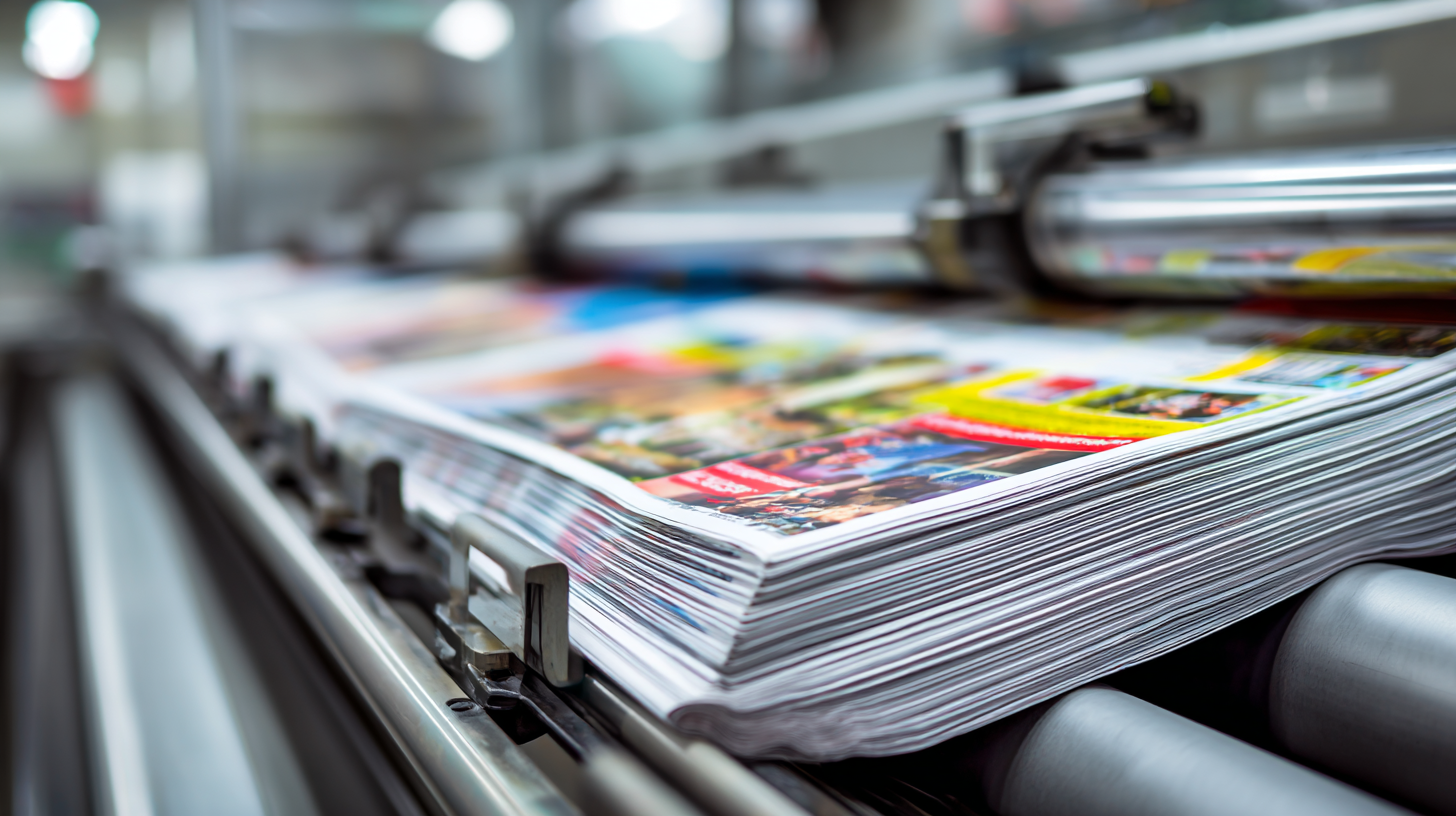
On the other hand, matte finishes offer a more subdued and elegant look, which can soften colors and reduce glare. This can be beneficial for publications focused on text-heavy content or artistic photography. Matte paper also tends to have a more tactile quality, adding to the reader's experience. However, it's important to consider that matte finishes might not reproduce colors as vividly as glossy options. Therefore, understanding the aesthetic goals of the publication is key in choosing the right paper finish to effectively communicate the desired message and ensure optimal image quality.
Cost-Effectiveness: Balancing Quality and Budget in Paper Selection
When selecting magazine paper, cost-effectiveness is a critical factor that influences both the quality of the final product and the overall budget. According to a report from Smithers Pira, the global demand for paper is expected to reach 400 million tons by 2025, underlining the growing competition among suppliers. To achieve a balance, businesses must consider the paper's weight, finish, and brightness; for instance, using a lower-weight paper can reduce printing costs significantly—up to 20% in some cases—while still providing adequate quality for mid-range publications.
Moreover, investing in high-quality paper doesn’t always mean a significant increase in costs. A survey from the Printing Industries of America indicates that the perceived quality improvement from using premium paper often translates into higher readership and retention rates. According to their findings, publications that invest an extra 10% on paper quality can see a 25% increase in ad revenue due to enhanced reader engagement. This highlights that a strategic approach to paper selection can not only optimize printing expenses but also ultimately enhance the publication’s financial viability.