10 Essential Tips for Choosing the Right Book Paper for Your Projects
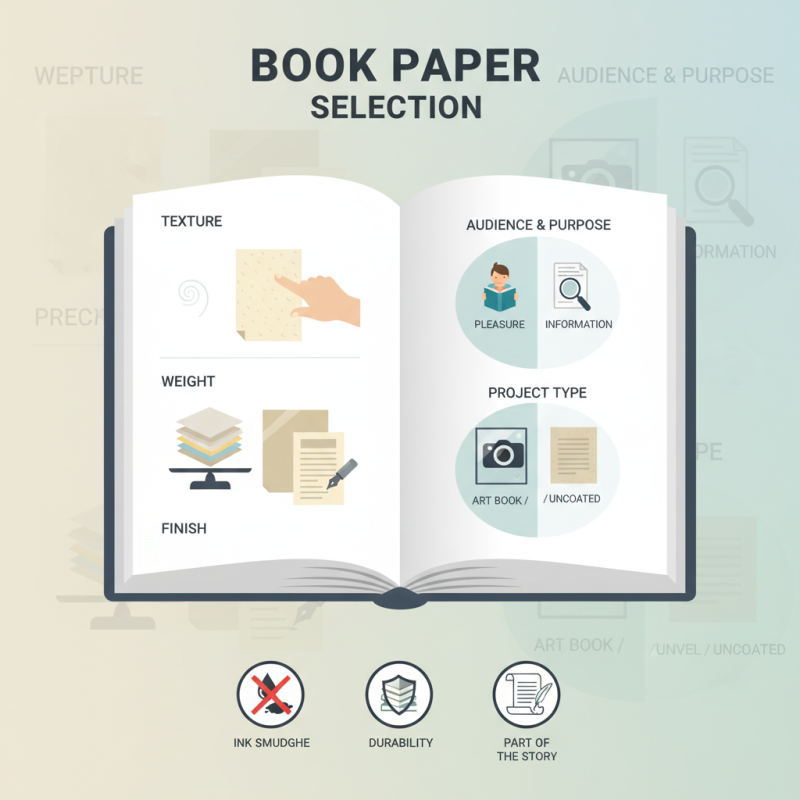
Choosing the right book paper is crucial for any project. The texture, weight, and finish can affect the overall look and feel of the book. Whether it's a sleek novel or a detailed art book, book paper plays a significant role.
Different projects require different types of paper. For example, glossy paper enhances images, while uncoated paper is ideal for text-heavy works. Think about your audience and purpose. Are they reading for pleasure or information? This choice will influence your decision.
Sometimes, we overlook minor details in our paper selection. Will the ink smudge? Is the paper durable for long-term use? These questions matter. Reflecting on these elements can lead to a better final product. Book paper is not just a background; it's part of the story.
Understanding Different Types of Book Paper and Their Uses
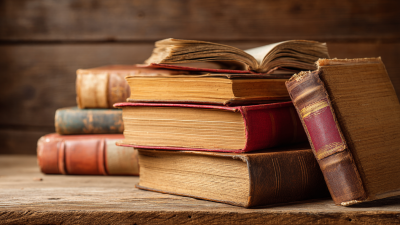
When choosing book paper, understanding the different types available is vital. Each type serves specific purposes. For instance, uncoated paper absorbs ink well, making it ideal for novels or academic texts. This texture enhances readability. You may notice, however, that colors can appear muted on this paper. Glossy paper, on the other hand, reflects light beautifully. It showcases images, perfect for photo books and magazines. But it's often not suitable for text-heavy projects.
It’s essential to consider weight and thickness as well. Standard weights usually range between 50 to 150 gsm. Thicker papers feel more luxurious but can also increase production costs. Lightweight paper might save money, but it can feel cheap. A novice might overlook the paper's brightness level, which affects overall aesthetics. Bright white paper pops with color but can be harsh on the eyes. Natural shades offer warmth but may dull vibrant images. Reflecting on your specific needs will guide you to the right choice. What works for one project may not work for another.
Evaluating Paper Weight: How GSM Affects Print Quality and Durability
Choosing the right paper for your project is crucial. One key factor to consider is paper weight, measured in grams per square meter (GSM). A higher GSM typically indicates thicker paper. Thicker paper can enhance durability, making it ideal for high-quality prints and important documents. However, it may not always be the best choice for everything.
When printing images, the right GSM can affect how colors appear on paper. For instance, a 200 GSM paper provides a solid base. It allows colors to pop and details to shine. Yet, if your printer has limitations, thick paper might cause issues. You might face smudging or improper feeding. This is why sometimes heavier is not better.
On the other hand, lighter paper can be more versatile. It is easier to handle and fits different printing needs. You can use a lighter weight for drafts or notes. However, lighter papers may wrinkle or tear more easily. Finding the balance between weight and purpose is essential. Pay attention to how the paper feels in your hands. Sometimes, the right choice is not about the number. Trust your instincts and test samples when in doubt.
Choosing the Right Finish: Matte vs. Glossy Paper for Your Project
When choosing paper for your project, the finish can make a significant difference. Matte and glossy papers each have unique qualities that cater to various needs. Matte paper has a soft, non-reflective surface. It allows for easy reading and is often favored for text-heavy documents. The muted finish can add elegance to any project. However, colors may appear less vibrant on matte paper.
In contrast, glossy paper shines with vivid colors and sharp images. It’s perfect for photographs and promotional materials where visual impact is crucial. But, glossy surfaces can be slippery, leading to fingerprints and smudges. It can sometimes overwhelm text with its shine. Finding the right balance between these finishes is essential for clarity and appeal.
Consider the purpose of your project before making a choice. Test both finishes with samples. Observe how the colors behave and feel. You might discover that what works for one project doesn’t suit another. Reflection and adjustments can lead to a more thoughtful decision.
Matte vs. Glossy Paper: Key Preferences in Book Projects
This chart illustrates the preferences for different types of book paper finishes among project creators. Matte paper is the most favored option, while uncoated paper has the least preference.
Analyzing Cost vs. Quality: Finding a Balance in Your Paper Selection
When selecting book paper, cost often plays a major role. However, prioritizing quality is essential for long-lasting results. Cheap paper might save money initially, but it can lead to regret later. You could end up with pages that bleed ink or yellow over time. This compromises the final product's overall appearance and durability.
Consider your project’s purpose. If it’s a professional portfolio or a cherished photo book, investing more in quality paper is vital. Artists and writers need to balance budget constraints with the need for superior print quality. Sometimes, finding a middle ground is challenging. You may need to try several options before discovering what truly works best for your vision.
Analyzing costs is not just about the price tag. Think about how quality impacts reader engagement. High-quality paper can capture details better, making text and images pop. This clarity can enhance the message you want to share. Balancing cost and quality requires thoughtful experimentation, and you may face setbacks along the way. Embrace the learning process as you refine your choices.
10 Essential Tips for Choosing the Right Book Paper for Your Projects
| Paper Type |
Weight (gsm) |
Texture |
Opacity (%) |
Cost ($ per 100 sheets) |
| Uncoated Paper |
80 |
Smooth |
90 |
$10 |
| Coated Paper |
90 |
Glossy |
80 |
$15 |
| Recycled Paper |
75 |
Textured |
85 |
$12 |
| Art Paper |
200 |
Silk |
95 |
$25 |
| Newsprint |
50 |
Rough |
70 |
$8 |