The Essential Guide to Choosing Cash Register Rolls for Your Business
In today's fast-paced retail environment, choosing the right Cash Register Rolls is crucial for ensuring seamless transactions and maintaining customer satisfaction. According to a recent report by the National Retail Federation, approximately 82% of consumers believe that a smooth checkout experience significantly influences their shopping experience. With the growing emphasis on efficiency, businesses must select cash register rolls that not only meet their operational needs but also enhance the overall customer experience.
The diversity in roll types, materials, and compatibility with various point-of-sale systems adds to the complexity of this decision. Furthermore, industry insights indicate that investing in high-quality cash register rolls can reduce paper jams and prolong the lifespan of printers, ultimately leading to cost savings over time. This essential guide aims to equip business owners with the knowledge needed to make informed choices regarding cash register rolls, ensuring their operations run smoothly and effectively.
Understanding the Different Types of Cash Register Rolls Available in the Market
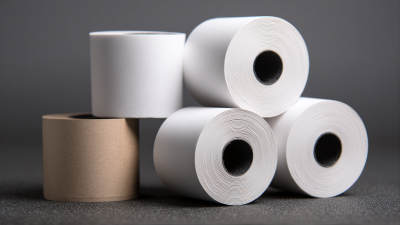
When it comes to choosing cash register rolls for your business, it's essential to understand the different types available in the market. Cash register rolls come in various sizes and materials, each suited for specific printing tasks. The most common types include thermal rolls, bond paper rolls, and carbonless paper rolls. Thermal rolls are popular for their quick printing capabilities and ease of use, while bond paper rolls are ideal for those who need a more durable option for long-lasting receipts. Carbonless paper rolls provide a way to create multiple copies of a receipt simultaneously, which can be particularly useful for specific transactions.

Tips: When selecting cash register rolls, always check your printer's specifications to ensure compatibility. Consider the volume of transactions your business handles; for high-volume environments, investing in higher-quality thermal rolls can save time and money in the long run. Additionally, keep an eye on the width and diameter of the rolls, as using the wrong size can lead to unnecessary waste and interruptions in service.
In addition to choosing the right type of roll, it's crucial to consider the paper density. Higher density rolls might be slightly more expensive but often lead to better printing quality and less smudging. Always purchase from reputable suppliers to ensure the quality of your cash register rolls, as high-quality rolls can maintain a professional appearance for your business transactions.
Key Factors to Consider When Choosing Cash Register Rolls for Your Business
When choosing cash register rolls for your business, several key factors should be considered to ensure you make the right choice. First, the size of the roll is crucial; it must fit your cash register or point-of-sale (POS) system. Standard sizes typically range from 2 1/4 inches to 3 1/8 inches in width, so be mindful of your equipment's specifications. Additionally, length matters, as longer rolls may reduce the frequency of replacements, enhancing workflow efficiency.
Another important aspect is the type of paper used for the rolls. Thermal paper is popular for its ease of use and quick printing capabilities, but evaluating the quality is essential. High-quality thermal paper can resist fading, ensuring that printed receipts remain legible over time. Moreover, consider the environmental impact of your choice; opting for recycled or sustainably sourced paper can benefit your brand image while contributing positively to sustainability efforts. By keeping these factors in mind, you can select the most appropriate cash register rolls that meet your business needs and budget constraints.
The Essential Guide to Choosing Cash Register Rolls for Your Business
| Dimension |
Material |
Roll Length (ft) |
Width (mm) |
Quantity per Box |
Price per Box ($) |
| 65mm x 50m |
Thermal Paper |
164.0 |
65 |
50 |
32.00 |
| 80mm x 100m |
Thermal Paper |
328.1 |
80 |
30 |
40.00 |
| 57mm x 50m |
Thermal Paper |
164.0 |
57 |
50 |
28.00 |
| 75mm x 80m |
Thermal Paper |
262.5 |
75 |
40 |
35.00 |
| 38mm x 30m |
Thermal Paper |
98.4 |
38 |
100 |
25.00 |
How to Determine the Right Size and Compatibility for Your Cash Register
Choosing the right size and compatibility for cash register rolls is crucial for any business, as it directly impacts efficiency and customer service. According to a report by IBISWorld, the cash register and POS terminal market is expected to grow by 4.2% annually, indicating a continued reliance on printed receipts. Therefore, understanding your specific cash register’s requirements is essential. Typically, cash register rolls come in various sizes, such as 2 1/4", 3", and 4", and determining the right size involves checking your machine's specifications. Using the wrong roll size not only leads to paper wastage but can also disrupt transaction processes.
Compatibility is another vital consideration. Not all cash register rolls are created equal; they can differ in terms of paper weight and thermal properties. A study by Statista showed that nearly 70% of retailers reported issues with receipt paper quality, affecting their operational efficiency. It’s essential to confirm that the rolls are not only compatible with your POS equipment but also made from thermal paper that meets the industry standards for durability. By investing time in selecting the correct size and compatible materials, businesses can enhance their transaction reliability and ensure a smooth customer experience.
Top Features to Look for in High-Quality Cash Register Rolls
When selecting cash register rolls for your business, it's crucial to focus on a few key features that ensure quality and efficiency. First and foremost, paper quality is fundamental. High-quality thermal paper should be thick enough to prevent jamming while also providing clear and legible prints. Look for rolls that are made from high-grade materials to ensure durability and resistance to fading, as well as those that are compatible with your specific cash register model.
Additionally, the size and compatibility of the rolls should not be overlooked. Cash register rolls come in various dimensions, and using the correct width and diameter is essential for smooth operation. Ensure that the rolls fit seamlessly into your printer, reducing downtime and the frustration associated with improper sizing. Lastly, consider the length of the rolls; longer rolls can reduce the frequency of replacements, allowing for more uninterrupted transactions. By prioritizing these features, you can choose cash register rolls that enhance your business's operational efficiency.
Tips for Sourcing Cash Register Rolls at Competitive Prices for Your Business
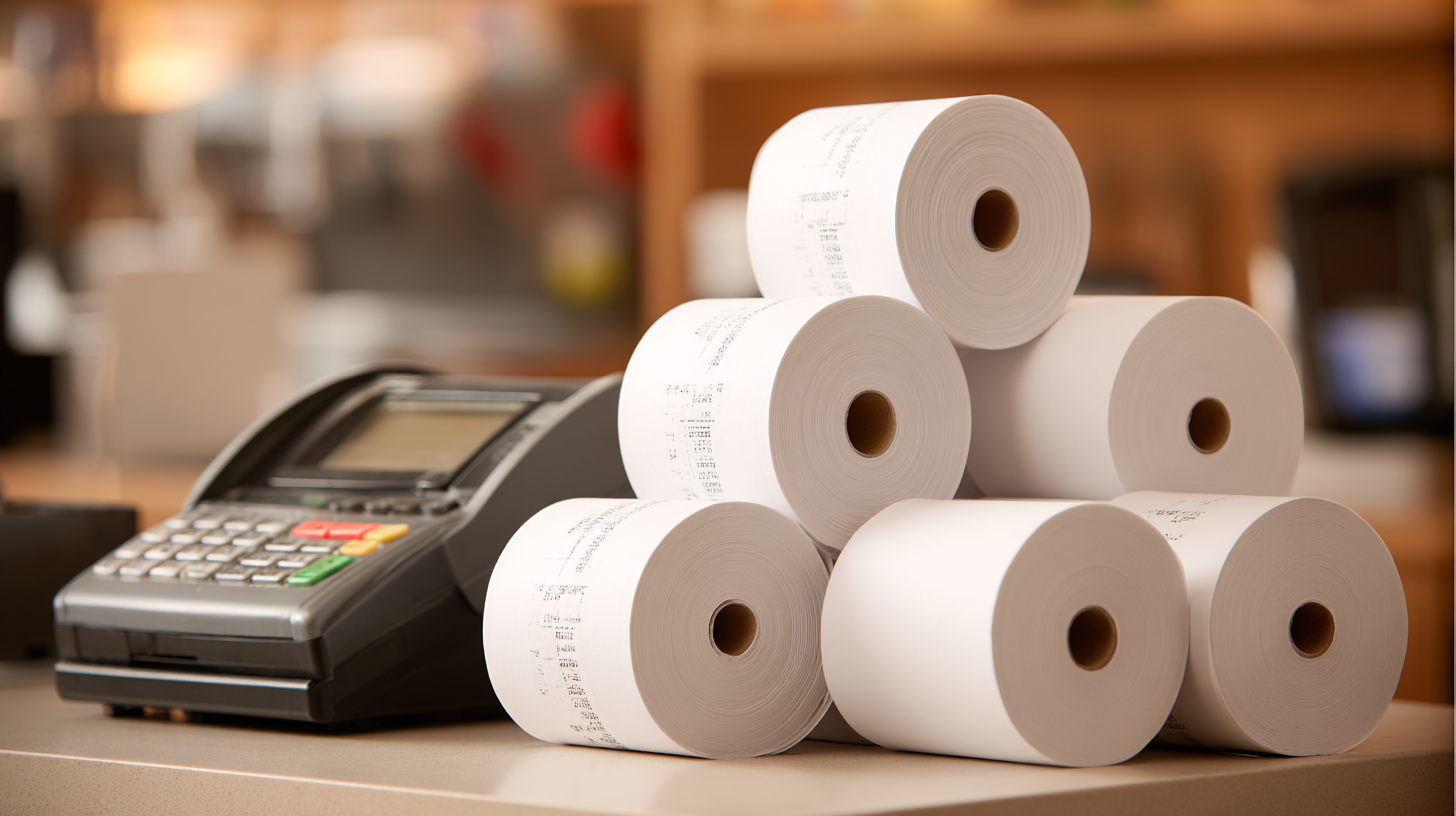
When sourcing cash register rolls for your business, competitive pricing is key to managing your expenses effectively. Start by researching various suppliers that specialize in office supplies. Look for those that offer bulk purchasing options or loyalty programs, which can significantly lower the cost per roll. Many suppliers also provide discounts for first-time buyers or regular customers, so don't hesitate to inquire about these opportunities.
Consider exploring alternative procurement strategies such as joining a purchasing cooperative or network with other small businesses. By pooling resources, you can negotiate better rates with suppliers. Additionally, pay attention to online marketplaces and wholesale distributors that may have promotional deals. Keeping an eye on price trends and timing your purchases around sales events can also enhance your savings, allowing you to maintain budget flexibility while ensuring you have a steady supply of cash register rolls.