Maximizing Efficiency: The Essential Guide to Choosing the Right Paper Receipt Rolls for Your Business Needs
In the fast-paced world of retail and hospitality, the choice of Paper Receipt Rolls can significantly impact operational efficiency and customer satisfaction. According to a recent report by Smithers, the global market for thermal paper, a key component in many receipt rolls, is projected to reach approximately $4.9 billion by 2025, reflecting the increasing demand for high-quality, durable, and eco-friendly paper options.
Additionally, studies show that the average consumer receives over 14 receipts a week, emphasizing the importance of selecting the right paper type to not only reduce costs but also enhance the overall customer experience. By understanding the various types of Paper Receipt Rolls available—ranging from thermal to carbonless options—businesses can make informed decisions that align with their operational needs and sustainability goals, ultimately maximizing their efficiency and service quality.
Understanding Different Types of Paper Receipt Rolls for Varying Business Needs
When it comes to optimizing business operations, understanding the different types of paper receipt rolls is crucial. Various industries utilize specific paper types for their receipt needs, such as thermal paper, bond paper, and eco-friendly alternatives. According to a report by the National Association of Convenience Stores, around 70% of retailers prefer thermal paper for its quick printing capabilities and ease of use. This is particularly advantageous for fast-paced environments, such as cafés and retail stores, where efficient transaction processing can significantly enhance customer satisfaction.
**Tips for Selection:** Consider the printing technology used in your POS systems. If you are using thermal printers, make sure to select high-quality thermal rolls to prevent fading and ensure legibility. Conversely, businesses that require handwriting or extra durability may benefit from bond paper, which offers a robust option for high-traffic areas.
In addition to paper type, dimensions are essential in fitting your receipt printing needs. Common sizes include 80mm and 57mm rolls. A report by IBISWorld indicates that 45% of businesses experience increased efficiency when using appropriately sized rolls, reducing the risk of jamming and ensuring smoother operations. Choosing the right paper roll tailored to your business requirements can lead to noticeable improvements in productivity and customer service.
Maximizing Efficiency: The Essential Guide to Choosing the Right Paper Receipt Rolls for Your Business Needs
| Roll Type |
Size (Width x Diameter) |
Paper Type |
Quantity per Case |
Use Case |
| Thermal Receipt Roll |
80mm x 80mm |
Thermal Paper |
50 Rolls |
POS Terminals |
| Bond Receipt Roll |
76mm x 80mm |
Bond Paper |
40 Rolls |
Exchanges & Invoices |
| POS Thermal Roll |
57mm x 50mm |
Thermal Paper |
60 Rolls |
Small Retail Locations |
| Multiple Ply Receipt Roll |
80mm x 90mm |
Carbonless Paper |
30 Rolls |
Receipts with Copies |
| Eco-Friendly Receipt Roll |
57mm x 100mm |
Recycled Paper |
50 Rolls |
Sustainable Businesses |
Evaluating Thermal vs. Non-Thermal Receipt Rolls: Pros and Cons
When it comes to selecting receipt rolls for your business, understanding the differences between thermal and non-thermal options is crucial. Thermal receipt rolls utilize heat-sensitive paper that darkens when exposed to a heated print head. This method has several advantages; it allows for faster printing speeds, which can enhance operational efficiency during peak hours. Furthermore, thermal rolls do not require ink or toner, reducing ongoing maintenance costs and making them a popular choice for retail environments.
On the downside, thermal paper can be susceptible to fading over time and may not withstand exposure to heat, moisture, or light, potentially compromising the longevity of receipts. In contrast, non-thermal receipt rolls, which typically use ink for printing, provide durability and resistance to environmental elements. However, they require regular replacement of ink cartridges, adding to their overall operational cost. Evaluating these pros and cons is essential for businesses as they strive to balance efficiency and operational costs while meeting the needs of their customers effectively.
Impact of Paper Quality on Printer Performance and Customer Experience
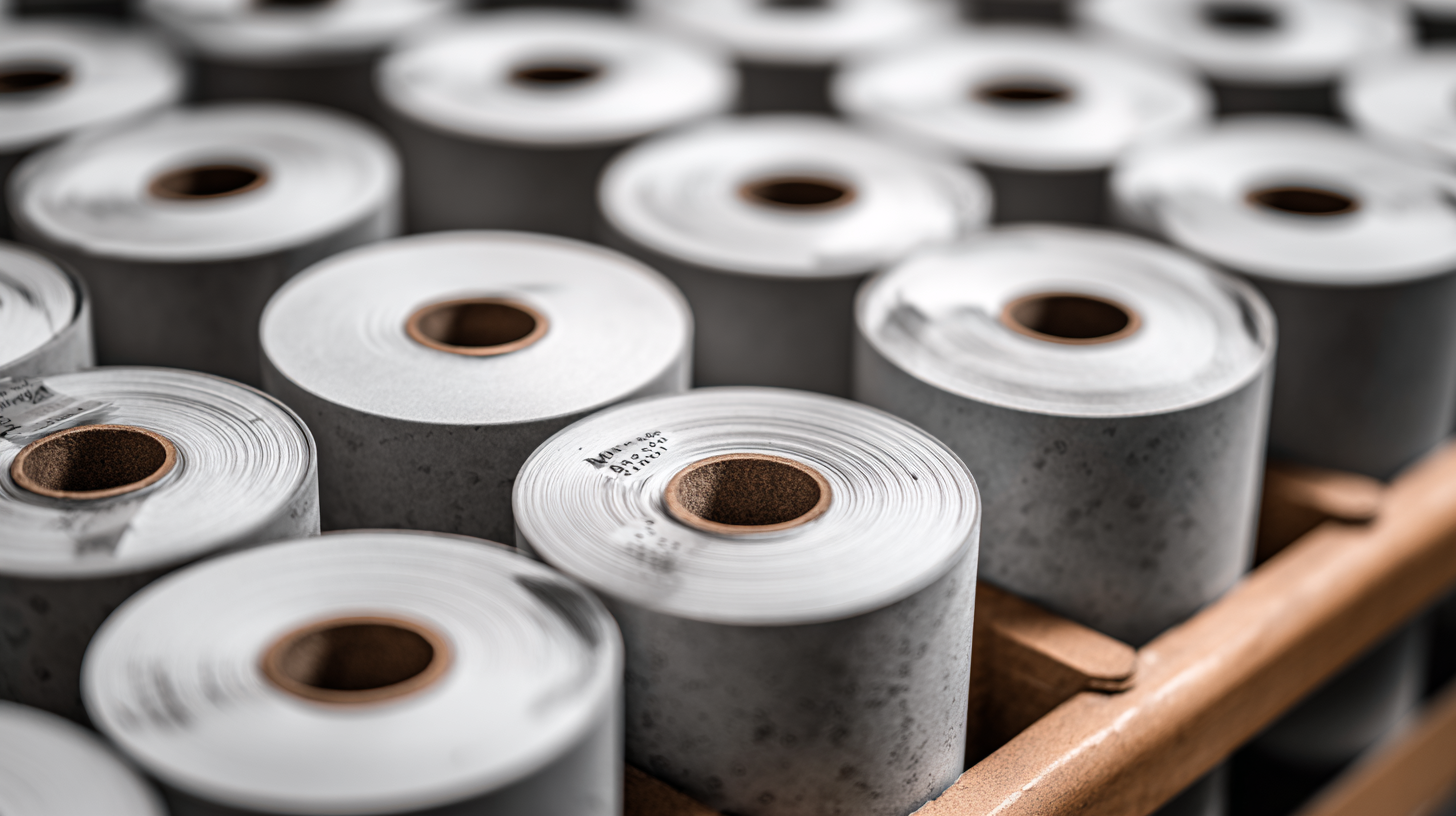
When selecting paper receipt rolls for your business, understanding the impact of paper quality on both printer performance and customer experience is crucial. High-quality receipt paper enhances printer reliability, reducing the chances of paper jams and malfunctions, which can lead to costly delays in service.
According to a report from the International Paper Association, using premium grade thermal paper can improve print clarity by up to 30%, resulting in clearer receipts that are easier for customers to read. This not only minimizes misunderstandings regarding charges but also fosters a professional image for your business.
Tips: Always opt for paper rolls that are compatible with your specific printer model, ensuring seamless operation and preventing unnecessary wear and tear on your equipment. Additionally, consider the environmental sustainability of your paper choice, as eco-friendly options can positively influence customers' perceptions of your brand.
Furthermore, the type of thermal paper you choose can affect the longevity of printed information. Studies show that receipts printed on lower-quality paper can fade significantly within a few weeks. This impacts customer experience, especially in industries such as retail and food service, where receipts are often needed for returns or expense tracking. Investing in higher-quality paper will enhance customer satisfaction and streamline operations.
Cost Analysis: Choosing the Right Receipt Roll Size for Maximum ROI
When selecting receipt rolls for your business, understanding the cost implications of different sizes can significantly enhance your return on investment (ROI). According to a report by Smithers Pira, the global thermal paper market is projected to reach USD 4.1 billion by 2025, driven largely by increasing demand for printed receipts. Choosing the right size not only reduces waste but can also optimize printer performance. For instance, smaller rolls often lead to more frequent replacements and increased operational costs, whereas larger rolls may reduce replacement frequency and labor costs.

A study by Technavio found that businesses can save up to 30% on printing costs by optimizing their supply chain to utilize the most efficient receipt roll sizes. This involves analyzing sales data to forecast peak periods, allowing businesses to select rolls that minimize downtime. By aligning receipt roll sizes with transaction volume, companies can achieve substantial savings, thereby maximizing ROI and ensuring operational efficiency. Selecting the right receipt roll size is crucial for any retailer, as it directly influences both profitability and customer satisfaction.
Environmental Considerations: Sustainable Receipt Roll Options for Modern Businesses
In today's environmentally conscious market, businesses must consider the sustainability of their paper receipt rolls. Traditional thermal rolls often contain
harmful chemicals, making them less desirable for eco-friendly operations. However, there are now several sustainable options available that not only reduce environmental impact
but also maintain the functionality and quality that businesses require.
One alternative is the use of recycled paper rolls, which minimize waste by repurposing materials that would typically end up in landfills. These rolls can offer
similar printer compatibility and quality while significantly reducing the carbon footprint associated with production. Additionally, businesses can explore
eco-friendly thermal paper that is devoid of toxic substances like BPA and BPS, providing a healthier choice for both employees and customers.
Furthermore, sourcing paper rolls from suppliers with sustainable practices can enhance a company's green credentials. Many manufacturers are adopting
more environmentally friendly production processes, such as using energy-efficient equipment and sustainable raw materials. By opting for these sustainable receipt roll
options, businesses can effectively contribute to environmental preservation while also appealing to a growing base of eco-conscious consumers.