How to Choose the Right Magazine Paper for Your Publication
Choosing the right magazine paper is crucial for the success of any publication, as it directly affects print quality, durability, and reader experience. According to a report by Smithers Pira, the global market for printing paper is projected to reach $207 billion by 2025, emphasizing the importance of selecting the appropriate materials in a competitive industry. Moreover, studies show that the type of paper can influence reader engagement, with high-quality, glossy finishes often resulting in increased reader retention and satisfaction. As content creators strive to capture consumer attention in an era dominated by digital media, understanding the different types of magazine paper, such as glossy versus matte or lightweight versus heavyweight, becomes essential in crafting a publication that not only looks appealing but also resonates with its target audience. Let’s explore the key considerations to help you choose the right magazine paper for your specific needs.
Understanding the Different Types of Magazine Paper: Coated vs. Uncoated Options
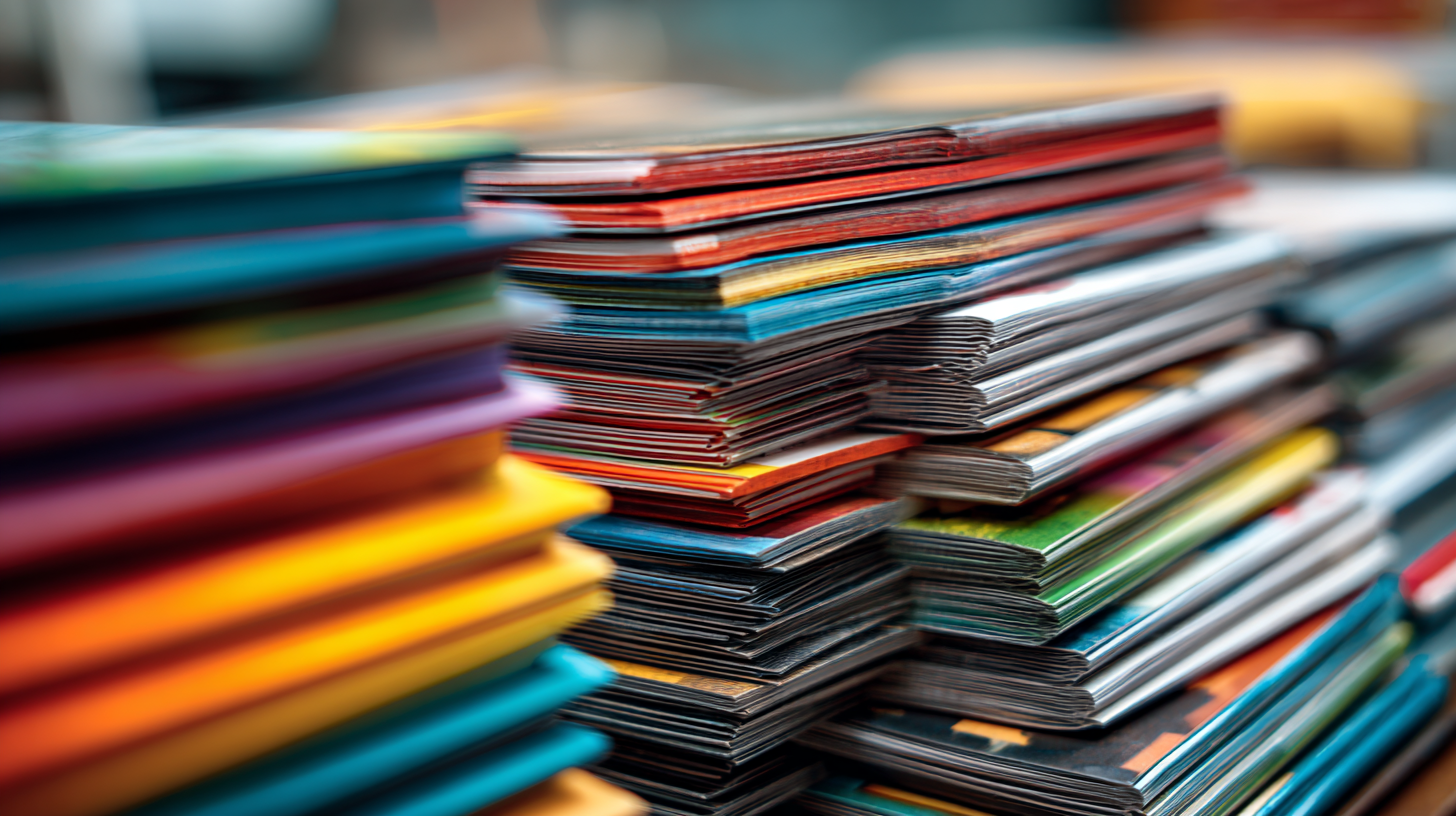
When selecting the right magazine paper for your publication, understanding the distinction between coated and uncoated options is essential. Coated paper is treated with a layer of coating that enhances its surface, allowing for sharper images and vibrant colors. This type of paper is ideal for high-quality prints, making it a popular choice for fashion magazines, photo journals, and anything that relies heavily on visuals. Its smooth finish not only improves visual appeal but also gives a more professional look to the publication.
On the other hand, uncoated paper provides a more natural texture and is often more absorbent. This type of paper is suitable for publications that prioritize readability and tactile experience, such as literary magazines or reports. The matte finish allows for smoother writing and easier reading, making it perfect for text-heavy designs. Additionally, uncoated options tend to be more eco-friendly, appealing to environmentally conscious publishers. Ultimately, the choice between coated and uncoated paper depends on the publication's goals, audience preference, and overall design strategy.
Evaluating Paper Weight: How It Influences Print Quality and Reader Experience
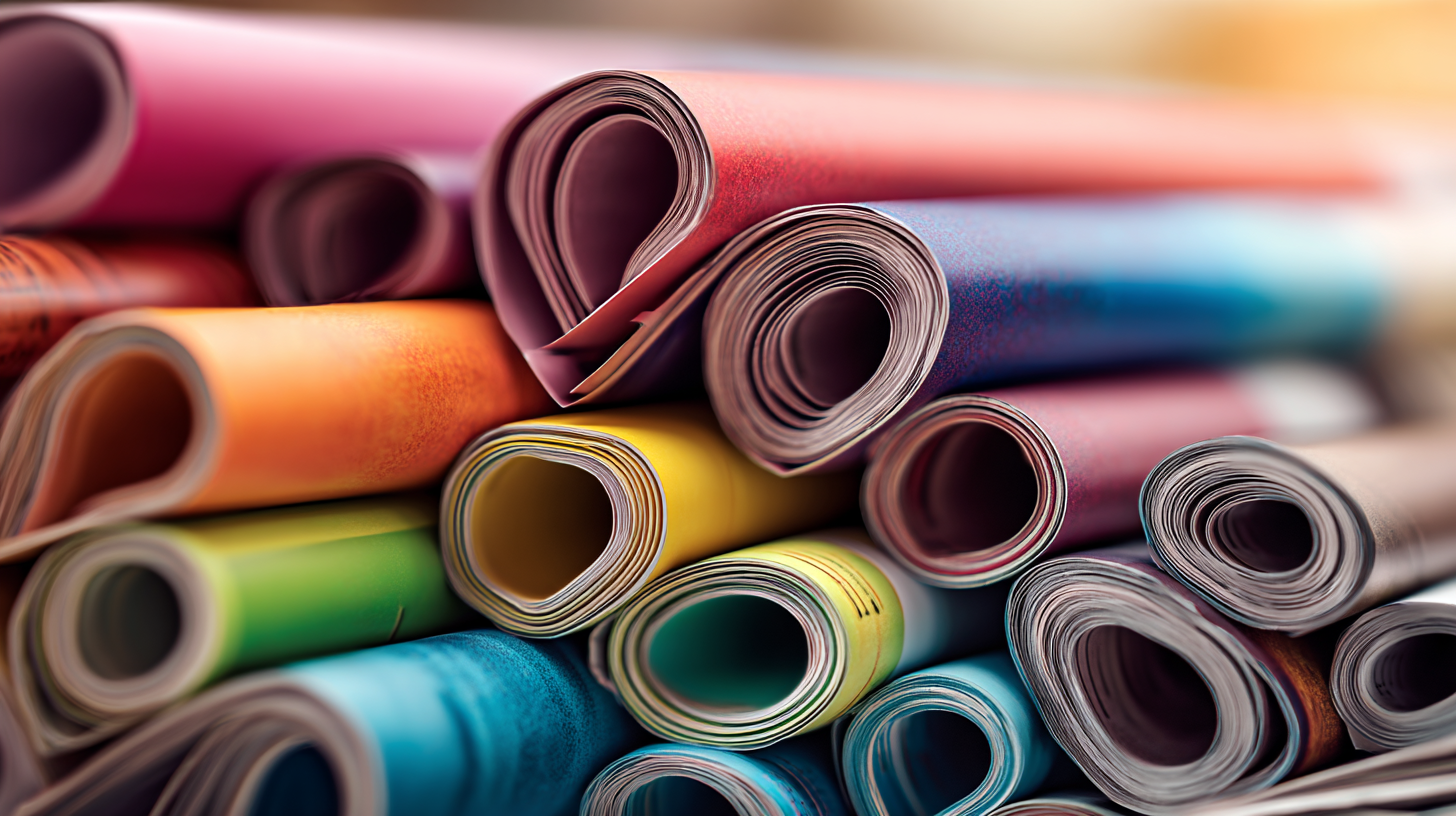
When selecting the right magazine paper, evaluating paper weight is crucial as it profoundly influences both print quality and reader experience. Generally, paper weight is measured in grams per square meter (GSM), and heavier papers tend to provide a more luxurious feel and improved durability. For instance, using a heavier weight for covers can enhance the magazine's overall appearance and longevity, making it more appealing to potential readers.
Tips: Consider the purpose of your publication when choosing paper weight. If it’s an art magazine, opt for heavier paper to showcase visuals with clarity and vibrancy. Alternatively, a lifestyle magazine might benefit from lighter paper that provides a smoother reading experience while remaining cost-effective.
Additionally, think about how paper weight affects the binding and folding of your magazine. Heavier paper can cause issues with thick magazines, leading to difficulty in binding and an uncomfortable reading experience. Testing different weights during the design phase can help you find the right balance, ensuring aesthetics do not compromise functionality.
The Impact of Paper Finish on Color Accuracy and Visual Appeal in Magazines
When it comes to choosing the right magazine paper, the finish plays a pivotal role in determining both color accuracy and visual appeal. Various paper finishes, such as glossy, matte, and silk, affect how colors are rendered and can significantly influence the reader's experience. According to industry reports, glossy finishes tend to have a higher brightness level, which enhances color vibrancy and sharpness. This makes glossy paper ideal for publications that focus on high-resolution images, such as fashion or lifestyle magazines, where visual impact is crucial.
Conversely, matte finishes provide a more subdued and sophisticated appearance. They absorb light differently, reducing glare and resulting in soft, subtle colors that are often preferred for text-heavy publications like art and literary magazines. Research indicates that around 60% of readers find matte finishes more comfortable for prolonged viewing, which is an important consideration for publishers looking to engage their audience. By understanding the implications of different paper finishes, publishers can make informed decisions that not only enhance aesthetic quality but also improve reader interaction and satisfaction.
Impact of Paper Finish on Color Accuracy and Visual Appeal in Magazines
Sustainability in Magazine Printing: Choosing Eco-Friendly Paper Options
When selecting paper for magazine printing, sustainability has become a paramount consideration for publishers. Eco-friendly paper options not only reduce environmental impact but also resonate with the growing consumer demand for responsible practices. Many publishers are now turning to recycled paper, which minimizes waste and lessens the need for virgin materials. This choice not only preserves forests but also reduces energy consumption and greenhouse gas emissions associated with paper production.
Additionally, sourcing paper from sustainably managed forests, certified by organizations like the Forest Stewardship Council (FSC), can further enhance the ecological footprint of a publication. By choosing papers that adhere to strict environmental standards, publishers support responsible forestry practices.
Moreover, opting for vegetable-based inks and using processes that minimize chemical usage can complement the sustainability of paper choices. As more readers become increasingly aware and concerned about environmental issues, embracing these eco-friendly practices can elevate a magazine’s reputation and appeal.
Cost Considerations: Balancing Quality and Budget When Selecting Magazine Paper
When selecting magazine paper, balancing quality and budget is crucial. Different types of paper come with varying costs, and it’s important to assess how each aligns with your publication's goals. High-quality paper may elevate your magazine's visual appeal and tactile experience, but it can also significantly inflate production costs. Consider the overall impression you want to create—often, a mid-range option can still offer a good balance of quality without breaking the bank.
Tips: Always request samples from suppliers to compare textures and finishes before making a final decision. This hands-on evaluation can help determine which paper types resonate best with your brand identity while keeping expenses manageable. Additionally, plan your publication frequency—if you publish issues regularly, opting for a consistent paper choice could lead to bulk purchasing discounts, ultimately saving money.
It's also wise to factor in your target audience and their expectations. A magazine focused on high-end fashion may justify pricier paper options, while a community newsletter may thrive on a more economical choice. Evaluate your content's nature to make informed decisions that align quality with practical budgeting.