How to Choose the Best Bond Paper for Your Business Needs?
Choosing the right Bond Paper is crucial for businesses aiming to convey professionalism. According to a recent industry report by Smithers Pira, the global bond paper market is projected to witness steady growth, driven by demand in printing and stationery sectors. This highlights the need for smart purchasing decisions.
Bond Paper is known for its durability and quality, often used for official documents and letterheads. The right type can elevate your brand's image. However, not all bonds are the same. Some are thicker, while others have specific finishes that affect print quality and texture. A recent survey found that 70% of companies reported improved client impressions when using higher-quality bond paper.
It’s also essential to consider environmental aspects. The rise of eco-friendly options in the bond paper sector cannot be ignored. Businesses must balance cost with sustainability. Inexperienced buyers may overlook these factors in their quest for savings, leading to poor printing outcomes. Making informed choices can significantly elevate brand presentations.

Understanding the Different Types of Bond Paper Available on the Market
When selecting bond paper for business needs, understanding the types available is crucial. Bond paper typically ranges in weight from 16 to 32 pounds. The most common weights for office printing are 20 lb and 24 lb. A heavier bond provides better durability, ideal for important documents. The choice of weight can significantly affect the perception of quality.
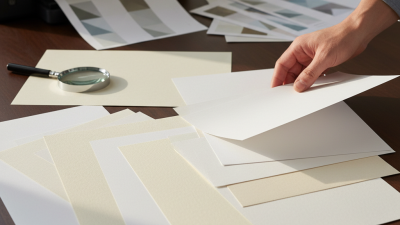
The finish of bond paper also varies. Some have a smooth finish, while others may be laid or textured. A smooth finish is perfect for printing high-quality images and clear text. Textured papers can add a tactile dimension, enhancing the professional look of letters and presentations. According to industry reports, businesses that prioritize quality paper see a 10-15% increase in positive responses from clients.
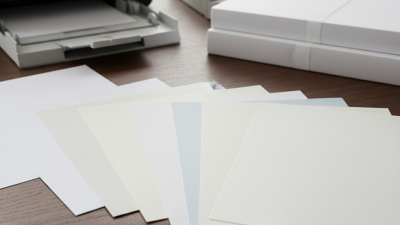
Color and opacity are important factors to consider as well. Most bond papers come in white or off-white. However, colored bond papers can create a distinctive brand identity. Unfortunately, some businesses overlook these aspects. This can lead to a mismatch in the desired image. By understanding these variables, businesses can make informed choices that elevate their overall branding.
Types of Bond Paper Available in the Market
Key Factors to Consider When Choosing Bond Paper for Your Business
Choosing the right bond paper for your business is crucial. It can impact your branding and communication. Consider the weight of the paper. Standard bond paper typically ranges from 20 lb to 32 lb. Heavier paper feels more professional and durable. According to industry reports, 24 lb bond paper for letterheads is preferred by 65% of professionals. A weight increase can enhance perception and quality.
Next, consider the finish. Smooth paper is ideal for sharp text. It works well for formal documents. Textured papers can add character but might not be suitable for all uses. Printing tests show that smooth surfaces produce clearer images and text. A study found that businesses using quality finishes experience 20% higher engagement from recipients.
The color of the paper matters too. White and cream are classic choices. However, colored bond paper can differentiate your business. Be mindful of your brand's identity when choosing colors. Unexpected choices can sometimes backfire, attracting the wrong audience. Use color strategically to support your overall business image. Reflect on your needs to avoid overspending on features that yield little return.
How to Choose the Best Bond Paper for Your Business Needs?
| Feature |
Description |
Consideration |
| Weight |
Measured in grams per square meter (gsm), indicating thickness. |
Heavier paper is typically more durable, suitable for formal documents. |
| Brightness |
Reflects light, impacting the visibility of printed colors. |
Higher brightness is better for color accuracy and readability. |
| Finish |
Surface texture, such as smooth, linen, or laid finishes. |
The finish affects print quality and the overall aesthetic appeal. |
| Opacity |
Ability to prevent ink from showing through. |
Higher opacity is preferable for double-sided printing. |
| Color |
Available in various shades, from white to off-white and colored. |
Choose a color that aligns with your brand identity. |
Evaluating Weight and Thickness: How It Affects Bond Paper Choices
When selecting bond paper for your business, evaluating weight and thickness is crucial. The weight of bond paper typically ranges from 20 to 32 pounds. Higher weight generally means more durability, making it suitable for reports or official documents. For example, a 24-pound bond paper feels sturdier, enhancing a sense of professionalism. According to industry studies, documents printed on heavier paper see a 15% increase in perceived value.
Thickness also influences usability. Standard bond paper measures 0.1 to 0.2 mm in thickness. A thicker paper can reduce ink bleed, ensuring clearer print quality. This characteristic makes thicker options preferable for high-volume printing with intricate designs. Research shows that using thicker papers can lead to a 10% decrease in printing errors.
Tips: Always test various weights to find what suits your business best. Don't overlook paper brightness; it affects color vibrancy. Before bulk purchasing, review sample sizes. A thorough assessment can prevent costly mistakes in future print runs. Balancing weight and thickness ensures your documents convey the right message and hold up over time.
Decoding Bond Paper Quality: Importance of ISO Standards
Choosing the right bond paper is crucial for any business. The quality of bond paper can significantly affect your company's communications and marketing materials. Understanding the ISO standards that define paper quality is essential in making an informed decision.
ISO standards, such as ISO 9001, focus on quality management systems. They ensure that manufacturers meet specific criteria in production, leading to greater consistency. According to a report by the International Organization for Standardization, businesses using ISO-certified products report a 20% increase in customer satisfaction. This highlights the value of choosing paper that adheres to established guidelines.
Additionally, paper weight and opacity are notable factors. Bond papers typically range from 20 to 32 lb. A thicker bond paper (e.g., 32 lb) has greater durability and provides a professional feel. However, it can come at a higher cost. Businesses should weigh the impact of these factors against their budget. Investing in higher quality bond paper can lead to better impressions, but it may not be feasible for every situation. Understanding these nuances can lead to more effective business practices.
Customization Options: Selecting Colors and Finishes for Your Needs
When selecting bond paper, customization is key. Colors can greatly influence the perception of your brand. According to a recent study by the Color Association, 85% of consumers place color as a primary factor in their buying decisions. Lighter colors often project calmness and professionalism, while vibrant hues can convey creativity. For instance, pastel tones may suit a healthcare setting, while bright colors may better fit a creative agency.
Finishes also play a crucial role. More than 70% of businesses reported that a textured finish can elevate the tactile experience of their printed materials. A linen or laid finish can add sophistication to business stationery. Smooth finishes are ideal for documents where clarity is critical, like reports or proposals. However, many fail to consider how finishes impact ink absorption and the longevity of prints.
Some businesses may overlook the importance of weights. A heavier stock does feel more substantial. Yet, it can also increase printing costs and mailing expenses. Balancing quality with budget is often a challenge, and companies should not disregard the long-term benefits of investing in high-quality paper. A thoughtful approach to customization can enhance branding, ensuring that every piece of paper creates a lasting impression.