How to Choose the Right Offset Paper for Your Printing Needs with Industry Insights
Choosing the right offset paper is a critical step in ensuring high-quality printing results for any project, whether it’s for commercial use or personal creations. Offset paper is specifically designed to meet the demands of offset printing, which requires a perfect blend of durability, printability, and aesthetic appeal.
With a myriad of options available on the market, from coated to uncoated finishes, understanding the characteristics and applications of different types of offset paper can significantly influence the overall success of your print jobs. In this guide, we will explore industry insights and expert recommendations to help you navigate the complexities of selecting the appropriate offset paper, taking into consideration factors such as weight, texture, brightness, and compatibility with various inks.
Making an informed decision not only enhances the visual quality of your printed materials but also optimizes the performance and cost-effectiveness of your printing process.

Key Factors to Consider When Selecting Offset Paper for Print Quality
When selecting offset paper for your printing projects, several key factors can significantly impact the final print quality. First and foremost, the weight and thickness of the paper are crucial. Heavier papers typically absorb more ink and produce vibrant colors, making them ideal for high-quality prints. It’s essential to choose a weight that aligns with your printing method, as too lightweight paper may lead to ink bleeding.
Another important consideration is the finish of the paper. Offset paper comes in various finishes, including matte, glossy, and silk. Each finish lends a different aesthetic to the final product. For example, glossy finishes are excellent for photographs and vibrant graphics, while matte finishes offer a more subdued and elegant look, making them perfect for text-heavy documents.
Tips: Always request samples from your paper supplier to test how different papers work with your specific design and printing techniques. Additionally, consider the environmental impact of your paper choice by looking for sustainable options, which can also enhance your brand's image. Lastly, don't overlook the importance of color accuracy; conduct a test print to ensure the colors are reproduced as intended on the selected paper.
Understanding the Importance of Paper Weight in Offset Printing Applications
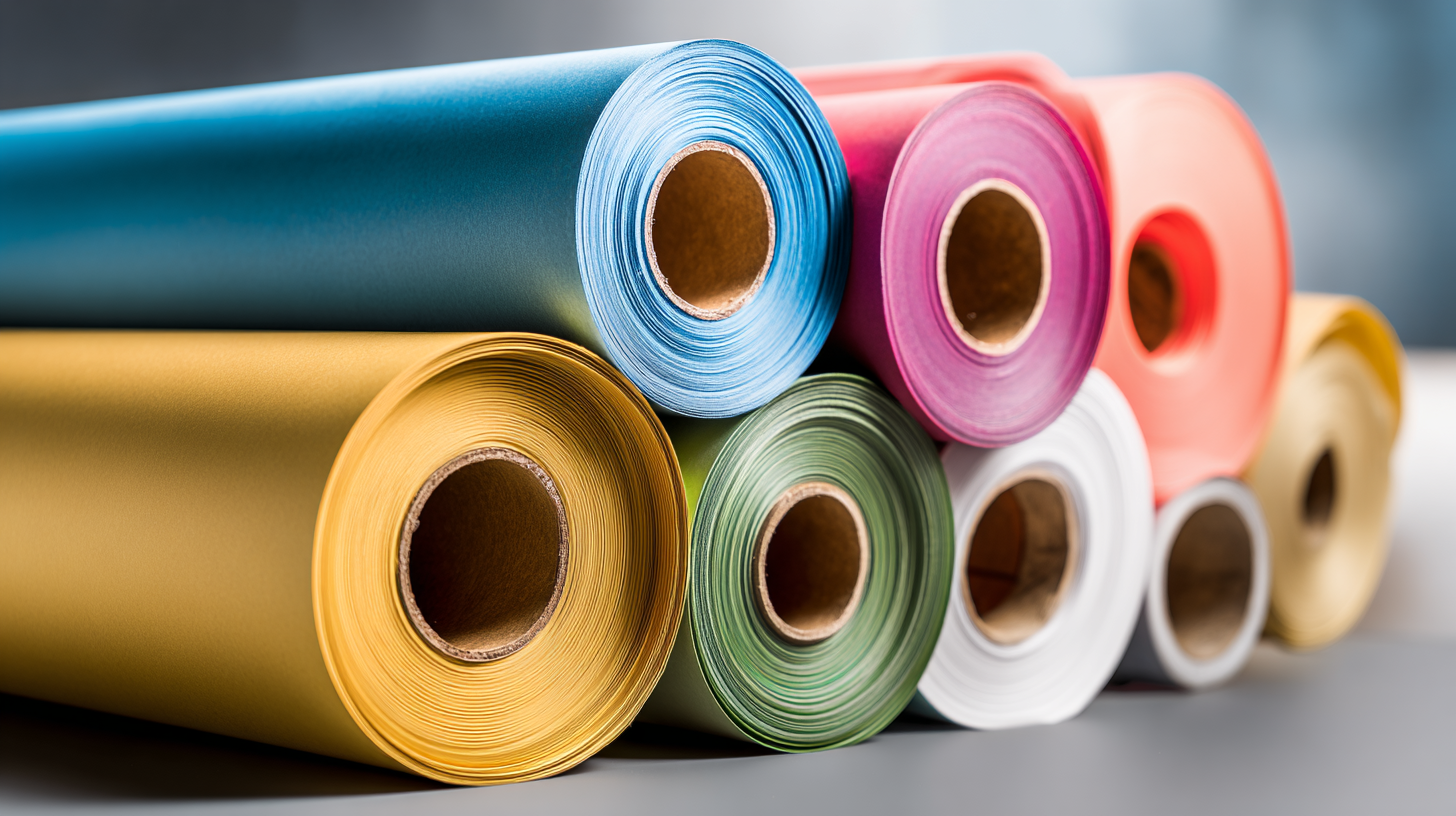 When selecting offset paper for printing projects, understanding paper weight is crucial for achieving desired results. Paper weight, typically measured in grams per square meter (gsm), significantly influences the print quality and overall finish of the final product. For instance, lighter weights like 70-90 gsm are ideal for everyday printing needs such as brochures or flyers, where flexibility and cost-effectiveness are key considerations. Conversely, heavier weights ranging from 200 gsm and above offer superior durability and a more refined look, making them suitable for high-end marketing materials like business cards and premium brochures.
Additionally, the choice of paper weight impacts the printing process itself. Heavier papers often require adjustments in the printing press settings to ensure proper ink distribution and avoid issues such as smudging or paper jams. Moreover, the type of ink used can also interact differently with various paper weights, with heavier papers generally providing a richer color saturation. By carefully evaluating these factors and understanding the importance of paper weight, businesses can select the right offset paper that not only meets their practical printing needs but also enhances the overall quality of their printed materials.
Evaluating Coating Types: Glossy vs. Matte for Different Printing Needs
When selecting offset paper for your printing projects, understanding the difference between glossy and matte coatings is essential.
Glossy paper is known for its high shine and vibrant color reproduction, making it an ideal choice for advertising materials, brochures, and photographs.
The reflective surface enhances color depth, resulting in striking visuals that grab attention. However, glossy finishes can be prone to fingerprints and glare, which may detract from the overall presentation if not handled properly.
On the other hand, matte paper provides a non-reflective surface that allows for a more sophisticated and subtle finish.
It is preferable for projects requiring a more tactile experience, such as art prints, business cards, and stationery. The matte finish absorbs ink rather than reflecting it, resulting in softer colors that can evoke a sense of elegance and professionalism.
Additionally, matte-coated papers are easier to write on and don’t show fingerprints, making them a practical choice for documents meant for distribution.
Each coating type serves distinct purposes and knowing the right one to choose is crucial to achieving the desired effect for your printed materials.
Industry Trends: Eco-Friendly Paper Choices and Their Impact on Printing
The growing awareness of environmental issues has significantly influenced the paper industry, leading to a surge in eco-friendly paper options. Many printers now offer recycled and sustainably sourced offset papers, catering to an increasing demand for environmentally responsible choices. These papers not only appeal to eco-conscious consumers but also help businesses align with corporate social responsibility goals. By opting for products made from post-consumer waste or certified materials, companies can reduce their carbon footprint while still achieving high-quality printing results.
Industry trends indicate that the demand for eco-friendly papers is set to rise, driven by legislation and consumer preferences. For instance, the use of chlorine-free bleaching processes and the promotion of tree-free paper alternatives are becoming more commonplace. As printers adapt to these innovations, they foster a more sustainable industry that balances high performance and environmental stewardship. This shift not only impacts business operations but also sets a precedent for future practices within the printing sector, ensuring that eco-friendly choices remain at the forefront of industry developments.
Cost Analysis: Balancing Quality and Budget in Offset Paper Selection
When selecting offset paper, balancing quality and budget is essential for achieving optimal results in your printing projects. According to the Printing Industries of America, around 40% of print job costs come from paper selection. Therefore, understanding the types of offset paper available, and their associated costs, can significantly impact your bottom line. For instance, premium grades, such as coated and uncoated papers, offer excellent print quality but can be up to 30% more expensive than standard options. While saving costs may be tempting, investing in higher-quality paper often results in better color reproduction and durability, which can enhance brand perception.
Tip: Always request samples of various paper grades before making a final decision. This allows you to assess not only the print quality but also the feel and finish of the paper, aligning with your project's specific needs.
Additionally, consider the long-term implications of your paper choices. A report from Smithers Pira indicates that the demand for environmentally friendly papers is expected to grow by 25% over the next five years. Choosing sustainable options may initially seem costly, but they often attract eco-conscious customers and can be more cost-effective in the long run.
Tip: Look for certifications, such as FSC or SFI, to ensure that your selected paper supports sustainable practices, which can further appeal to your target audience while potentially reducing disposal costs.