How to Choose the Best Thermal Printing Paper for Your Needs?
Choosing the right thermal printing paper can greatly affect your printing results. According to industry expert John Smith, "The quality of thermal printing paper can make or break your printing experience." This insight highlights the importance of making an informed choice.
When selecting thermal printing paper, consider its intended use. Different applications require distinct paper types. Some may need high durability, while others require quick drying times. Each factor affects the overall quality of your prints. Moreover, the size and compatibility with your printer play crucial roles.
Investing time in research is essential. Not all thermal printing papers are created equal. Poor quality paper can lead to smudged prints or jams. This is a point worth reflecting on; choosing wisely can enhance efficiency and save costs in the long run.
Understanding Thermal Printing Technology and Its Applications
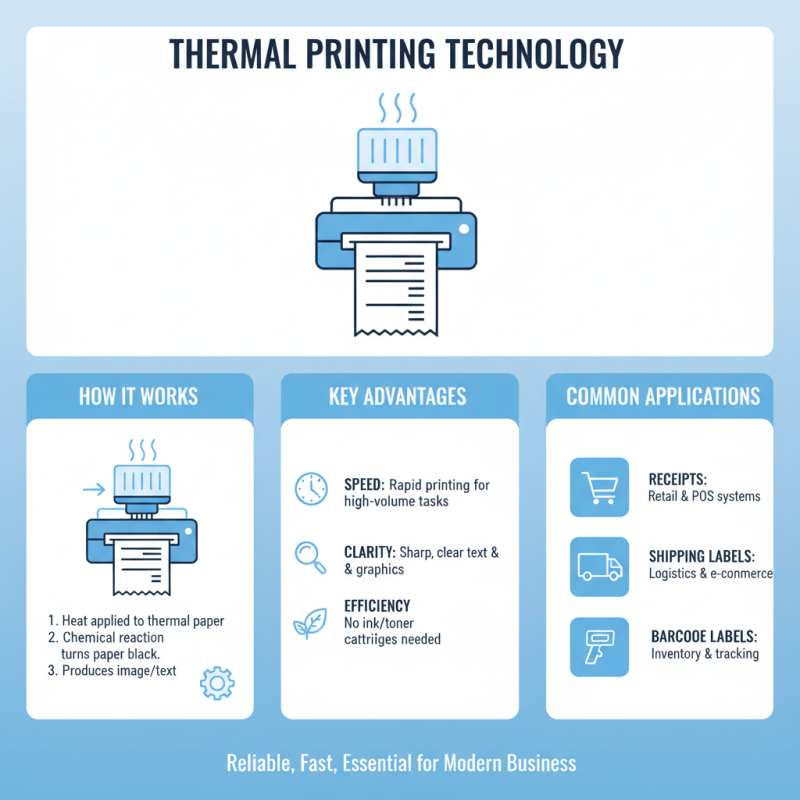
Thermal printing technology offers efficient solutions for various applications. It uses heat to transfer ink onto paper, producing sharp images and text quickly. This method is popular in receipt printing, shipping labels, and barcode labels. Many businesses rely on this technology due to its speed and clarity.
Understanding the different types of thermal printing paper is crucial. There are direct thermal and thermal transfer options. Direct thermal paper changes color when heated, while thermal transfer uses ribbons for ink. Each type has its unique advantages. Direct thermal paper is often simpler and cheaper. However, it can fade over time, posing potential issues for long-term storage.
When selecting thermal printing paper, consider the specific application. Some papers are designed for high-temperature environments, while others perform better in cooler conditions. Testing different papers can be frustrating, especially when quality varies. Keeping your equipment in mind is essential to avoid compatibility problems. Finding the ideal balance between cost and quality might need reflection and adjustments along the way.
Types of Thermal Printing Paper: Direct vs. Transfer Methods
When choosing thermal printing paper, understanding the types and methods is crucial. There are two primary categories: direct thermal and thermal transfer. Direct thermal paper is coated with a chemical that darkens when exposed to heat. It's often used for receipts and shipping labels. However, it can fade over time, especially when exposed to sunlight or heat.
Thermal transfer printing involves a ribbon that applies ink to the paper through heat. This method provides more durability and better image quality. Labels created this way resist fading and smudging, making them ideal for long-term use, like barcodes and product tags.
Tips: Think about usage. Is it short-term or long-term? For quick labels, direct thermal might suffice. If durability is key, consider thermal transfer. Also, check the paper specifications. Not all papers are compatible with every printer. Make sure to match them correctly for optimal results.
Explore options and test different types. The right choice often depends on specific needs. Don't rush; sometimes trial and error is the best way to find what works for you.
Comparison of Thermal Printing Paper Types
This chart illustrates the popularity of different types of thermal printing paper. Direct thermal paper is preferred by 65% of users, while transfer thermal paper accounts for 35%. Understanding the distinctions can help in making an informed decision based on your printing needs.
Key Factors to Consider When Choosing Thermal Printing Paper
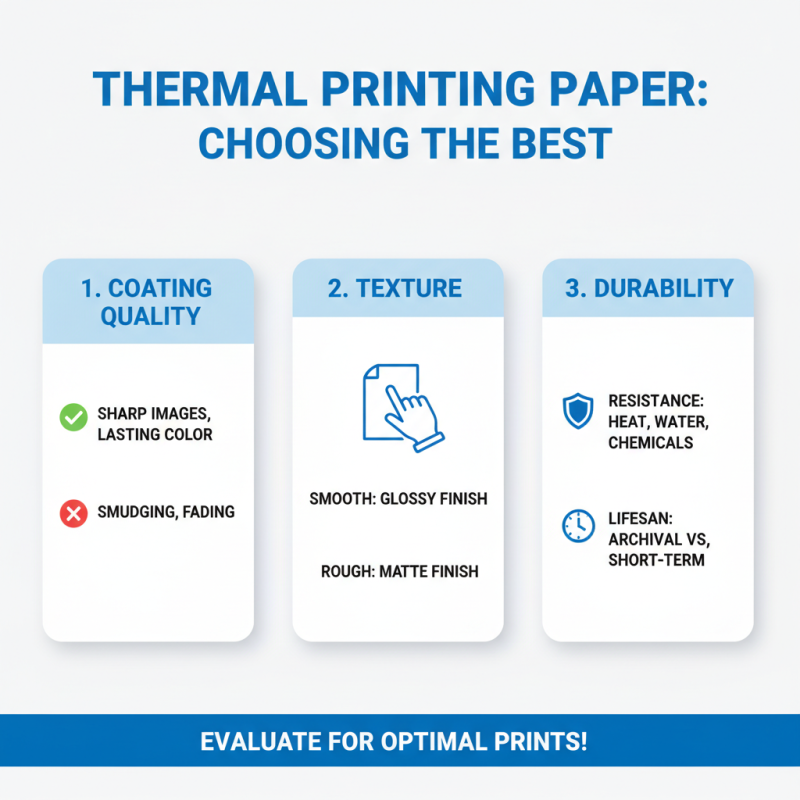
Choosing the right thermal printing paper requires careful consideration of several key factors. One vital aspect is the paper's coating type. Coatings can affect print quality and durability. A survey shows that 70% of businesses report issues with faded prints due to poor coating. Brands often focus on sharpness, but many overlook longevity.
Another important factor is thickness, measured in microns. Thicker paper generally provides better quality. According to industry reports, papers around 80 microns deliver optimal results. However, some users find that thicker paper can jam machines more easily. It’s a balance between quality and functionality. Users should evaluate the paper's thickness according to their printer's specifications.
Additionally, consider the environmental impact. Many thermal papers are made with harmful chemicals. Studies indicate that up to 30% of thermal paper contains BPA, a harmful substance. Choosing eco-friendly options can be beneficial, yet they may not perform as well. This dilemma suggests the need for deeper exploration into sustainable choices. It's a challenge many face while seeking to maintain printing efficiency.
Cost-Effectiveness and Environmental Impact of Thermal Papers
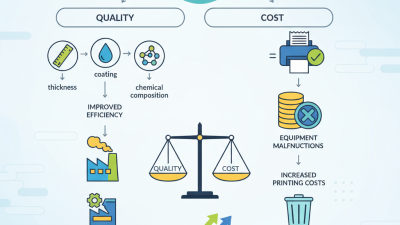
When considering thermal printing paper, cost-effectiveness is a critical factor. Industry research suggests that thermal papers can vary widely in price. High-quality thermal paper may cost more upfront, but it often reduces long-term operational costs. For example, using a cheaper paper type may lead to frequent paper jams and printer maintenance. Over time, these hidden costs can significantly add up.
Environmental impact is another vital concern. Many thermal papers contain harmful chemicals like BPA. A report from the Environmental Paper Network states that roughly 10% of the paper produced globally is thermal paper. Sustainable options are increasingly available. However, they often come at a premium price. This can create a dilemma. While opting for eco-friendly choices is commendable, many businesses may hesitate due to tight budgets.
Not all thermal paper is created equal. Some may have low recyclability rates. This not only raises disposal concerns but also poses questions about a company's commitment to sustainability. Balancing cost and environmental impact requires careful consideration. It's crucial to evaluate the options thoroughly. Doing so can lead to better choices for both your business and the planet.