How to Choose the Right Thermal Paper Rolls for Your Business?
Choosing the right Thermal Paper Rolls is essential for any business that relies on receipt printing. According to a recent study by Smith & Associates, around 70% of businesses report issues with paper performance. These issues can severely affect operations and customer service. Proper selection of thermal paper can prevent these problems.
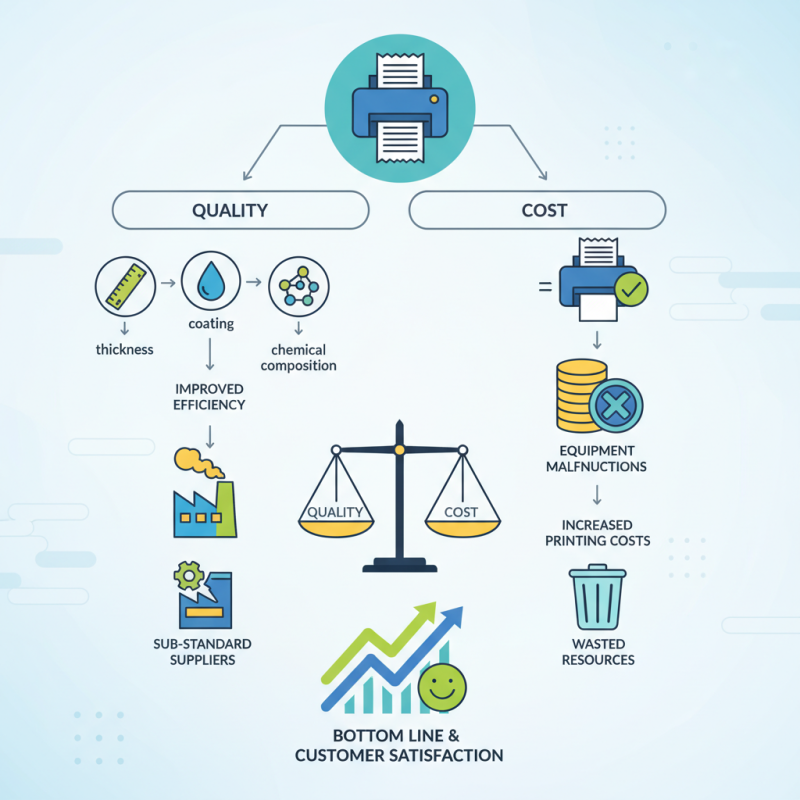
Industry expert John Doe emphasizes the importance of quality in his statement: "Using the right thermal paper can drastically improve efficiency." His insights highlight how crucial it is to understand the specifications of each type. For example, businesses must consider factors like thickness, coating, and chemical composition when selecting their thermal paper rolls.
A poor choice in this area may lead to equipment malfunctions or increased printing costs. Furthermore, not all suppliers meet the required standards, which can lead to wasted resources. As businesses strive for efficiency, the challenge lies in balancing quality and cost. The right Thermal Paper Rolls could directly impact your bottom line and customer satisfaction.
Understanding the Different Types of Thermal Paper Rolls Available
Choosing the right thermal paper rolls is crucial for your business operations. Different types are available in the market. Each type serves unique purposes. You must understand what suits your needs best.
Standard thermal paper is commonly used for receipts. This type is cost-effective and readily available. It works well in point-of-sale systems. However, it may not be suitable for long-term storage. Over time, the print may fade. High-quality thermal paper offers better durability. It resists fading and can withstand various conditions. This type is ideal for important documents.
Specialty thermal papers exist too. For example, labels and tickets often use specific grades. These papers might have adhesive on one side. This feature adds versatility for different applications. It's essential to assess usage frequency. The wrong choice can lead to unexpected costs. Investing time in understanding options pays off.
Evaluating the Size and Dimensions of Thermal Paper Rolls for Your Needs
Choosing the right thermal paper roll size is crucial for efficiency. Depending on your business type, different dimensions may work better. For instance, a retail store might need narrower rolls for receipt printers. In contrast, a kitchen printer may require wider rolls to fit important orders and tickets.
Measuring your existing printer's specifications is essential. Check the roller width and the maximum diameter it can accommodate. This helps prevent frustrating paper jams. If you're unsure, consult the printer manual or manufacturer guidelines. The last thing you want is to have a stockpile of paper that won't fit your equipment.
Consider the length of the rolls as well. Longer rolls mean fewer replacements, but they can be cumbersome to handle. For businesses with high turnover, shorter rolls may be more manageable, despite requiring frequent changes. Balancing these factors can enhance workflow and minimize downtime. The best choice might not be immediately obvious, so testing various sizes could lead to the most efficient solution.
Choosing the Right Thermal Paper Rolls for Your Business
Assessing the Quality and Durability of Thermal Paper for Your Business
Selecting the right thermal paper rolls for your business involves assessing key factors. Quality and durability are crucial to ensure smooth operations. According to industry reports, around 30% of businesses face issues with faded or smudged receipts due to poor-quality paper.
Durability is essential. Long-lasting thermal paper can withstand various environments. A study shows that thermal paper with proper coatings lasts up to five years without fading, offering excellent value. Businesses should also consider storage conditions. Exposure to light and heat can diminish quality.
Cost isn't everything. Choosing cheaper paper can lead to higher long-term costs. The loss from customer complaints and wasted products adds up. Invest in quality to save on reprints and maintain a good reputation. Continuous reflection on paper choice is necessary. Evaluate how your choice affects customer experience over time. These factors will lead to better decision-making for your business.
Analyzing Costs and Budget Considerations for Thermal Paper Purchases
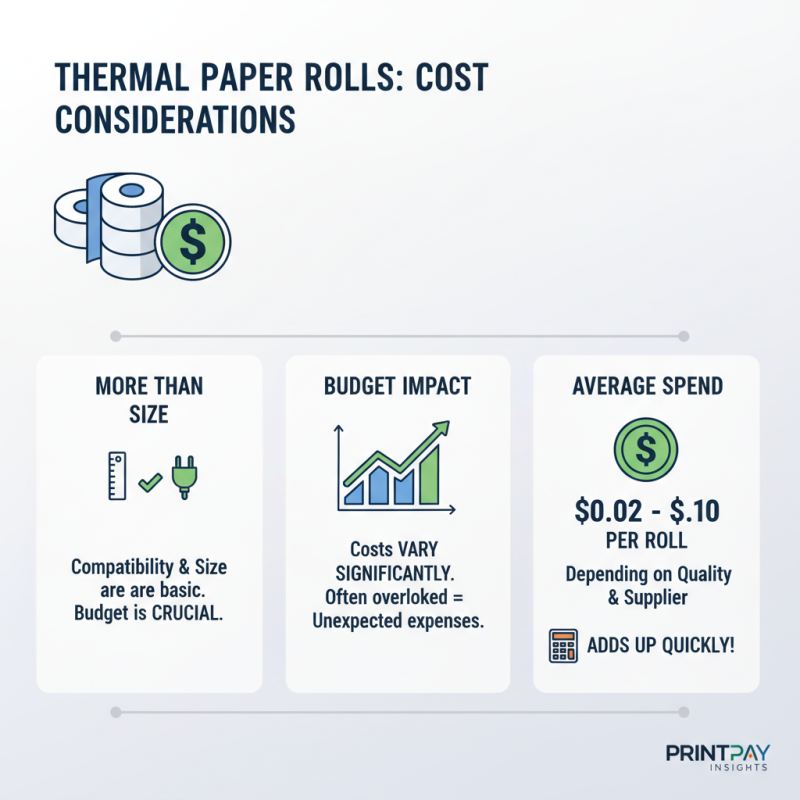
Choosing the right thermal paper rolls is more than just a matter of size and compatibility. Budget considerations play a crucial role. According to industry reports, thermal paper costs can vary significantly. Some businesses may overlook this aspect, leading to unexpected expenses. On average, businesses spend between $0.02 and $0.10 per roll, depending on quality and supplier. This can add up quickly.
When evaluating costs, consider the volume of paper used monthly. A retail store may use hundreds of rolls each month, which increases expenditure. Calculating the total cost of ownership can reveal if cheaper options might be more expensive long-term. Quality issues, such as fading or smudging, might arise with low-cost options. These problems often lead to refunds or reprints, adding hidden costs.
The choice between standard and eco-friendly paper also affects budgets. Eco-friendly options might have a higher upfront cost. However, they can attract environmentally conscious customers, offering potential for increased sales. Businesses need to evaluate their target audience and overall spending priorities. Balancing cost and quality should not be a trade-off but a strategic decision.
Identifying Supplier Reliability and Customer Service in Thermal Paper Sourcing
When sourcing thermal paper rolls, supplier reliability is crucial. Start by assessing their reputation. Look for reviews and testimonials from other businesses. A reliable supplier provides high-quality products consistently. Poor quality paper leads to print issues. Customers might complain if receipts fade or tear easily.
Next, focus on customer service. Good communication is key. Suppliers should be responsive and helpful. They should address any questions or concerns promptly. Fast response times can save time and frustration. Consider the supplier’s return and exchange policies. Clear policies show they stand behind their products.
Additionally, reflect on testing samples before committing. Request samples to assess quality firsthand. It’s vital to ensure that the paper meets your specific needs. Sometimes, a great price might compromise quality. Balance cost with reliability. Remember, poor choices can impact customer experience significantly.