How to Choose the Best Book Paper for Your Printing Needs?
Choosing the right book paper for printing can greatly affect the overall quality of a book. The paper type impacts readability and durability. According to a 2021 report by the Paper and Paperboard Packaging Environmental Council, nearly 70% of consumers notice the quality of paper when evaluating books.
Dr. Emily Carter, a leading expert in the book publishing industry, emphasizes, “A book’s paper can define its life.” Selecting the right weight and finish is crucial for visual appeal. For instance, a glossy finish works well for photos, while matte paper is often preferred for text-heavy books.
Different projects necessitate different paper choices. Factors such as thickness, opacity, and brightness play significant roles. It's essential to evaluate your project's unique requirements. However, many underestimate the importance of a good quality book paper, reflecting the need for more awareness. Without proper consideration, the printed output can suffer immensely, affecting both aesthetics and reader experience.
Understanding Different Types of Book Paper: A Comprehensive Overview
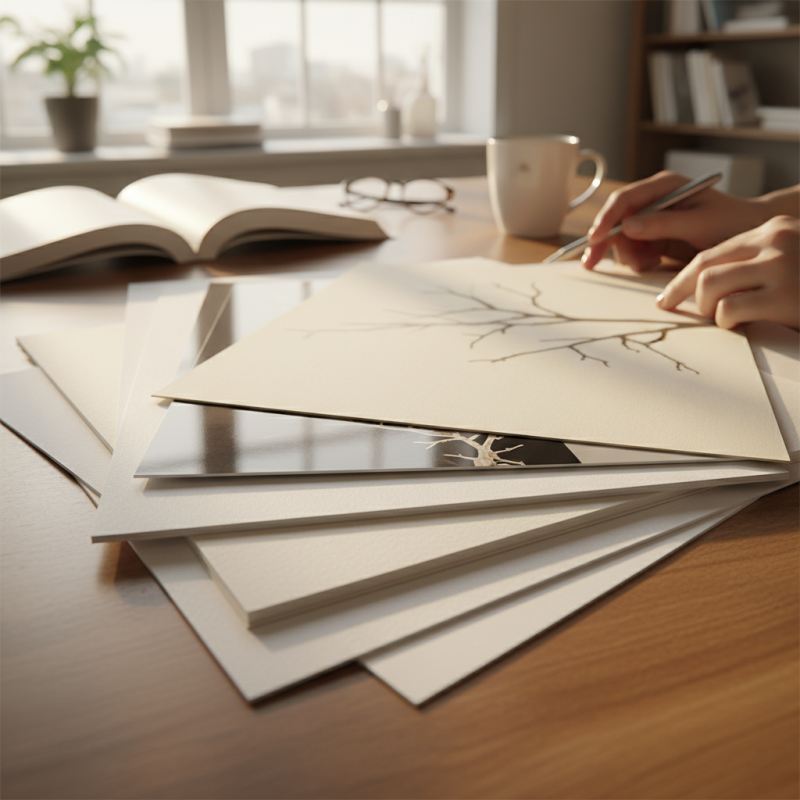
When choosing book paper, understanding the various types available is crucial. Paper feels different depending on its weight and texture. For instance, a
smooth, glossy paper enhances color and images, making it ideal for picture-heavy books. Conversely,
uncoated paper offers a matte finish, perfect for text-heavy publications. The choice often depends on the
intended purpose of the book.
Weight is another important factor. Light-weight paper might save costs but may feel flimsy. Heavier paper adds a premium feel but increases printing expenses.
Balancing quality and budget is often challenging. The thickness can affect readability. For example, thick pages may create a bulkier book, which could deter
some readers. You might find the ideal weight through trial and error.
Consider the environmental impact of your paper choice too. Many papers are sourced unsustainably, which raises ethical
concerns. Opting for recycled or sustainably sourced paper is worth reflecting on. It shows a commitment to responsible printing.
Making these choices requires thought and care, ensuring your book stands out for more than just its content.
Factors to Consider When Selecting Paper Weight for Book Printing
When choosing paper for book printing, weight is a crucial factor. Different weights affect the book's feel, durability, and overall readability. Lightweight paper, typically around 50-60 gsm, is often used for novels. This type creates a thin, flexible book. It feels light in hand, making it ideal for readers on the go.
On the other hand, heavier paper, like 80-100 gsm, adds more thickness. This weight is commonly used for textbooks or art books. It offers better opacity, reducing bleed-through for higher ink usage. However, it can feel bulky. There's a balance to strike between quality and cost. Sometimes, what's good on paper might not work in practice.
Consider the book's purpose. An elegant poetry book might thrive on lightweight, while a children’s picture book needs heavier stock for durability. Reflect on how readers will interact with the book. Will it sit on a shelf or be carried around? The paper choice should align with the intended use, even if it complicates decision-making. Each choice impacts the final product, and sometimes trial and error is necessary to truly understand the best fit.
How to Choose the Best Book Paper for Your Printing Needs? - Factors to Consider When Selecting Paper Weight for Book Printing
| Paper Type |
Weight (gsm) |
Best Use |
Texture |
Cost (per 1000 sheets) |
| Uncoated Text |
80 |
Novels, Poems |
Smooth |
$100 |
| Coated Gloss |
150 |
Photo Books, Magazines |
Glossy |
$200 |
| Recycled Paper |
70 |
Environmental Books, Reports |
Rough |
$80 |
| Textured Cover |
300 |
Hardcover Books |
Textured |
$350 |
| Silk Coated |
110 |
Luxury Catalogs |
Silky |
$180 |
The Impact of Paper Finish on Print Quality and Reader Experience
Glossy vs Matte Finishes
The finish of your book paper plays a crucial role in print quality and reader experience. A glossy finish reflects light, enhancing colors and details. This makes images pop and attracts attention. However, the glare can be distracting for some readers. Matte finishes, on the other hand, absorb light. They provide a softer look, making text easier to read. But, colors may appear duller, which can reduce visual impact.
Texture Matters
Texture also matters. A smooth finish feels pleasant, while a textured paper adds a tactile experience. Readers might prefer one over the other based on personal taste. Some find smooth surfaces easier to handle when flipping through pages. Others enjoy the richness of texture, feeling more engaged with the material. Yet, every choice comes with trade-offs. A heavy paper may add to durability but also to production costs. Finding the right balance is challenging.
Ink Absorption
Ink absorption varies with different paper types. Some absorb too quickly, leading to smudging. Others may cause ink to sit on top, resulting in a long drying time. Understanding your printing method and desired effect is vital. Choosing the wrong finish can lead to dissatisfaction, both for the creator and the reader. It’s essential to test different options before making a final decision.
Sustainability in Book Paper Choices: Eco-Friendly Options and Certifications
Choosing eco-friendly book paper is important. It directly impacts sustainability. The paper industry accounts for about 25% of global deforestation. This fact pushes publishers to seek greener options. Eco-friendly paper choices include recycled paper and those certified by organizations like FSC or SFI.
Using recycled paper reduces waste and saves trees. The production of recycled paper typically uses 60% less energy. This energy savings translates into lower carbon emissions. However, many still overlook these options. Not every recycled paper performs equally. It may sometimes lack quality.
Tips: Always check certifications. Look for papers that maintain both quality and sustainability. Conduct a life cycle assessment to understand the environmental impact. Remember, some eco-friendly papers may cost more upfront. However, the long-term benefits to the planet are significant. Investing in sustainable materials helps drive market demand for greener options. Consider these factors when making your next book paper choice.
Comparison of Eco-Friendly Book Paper Types
Cost-Benefit Analysis: Choosing Paper that Fits Your Budget and Needs
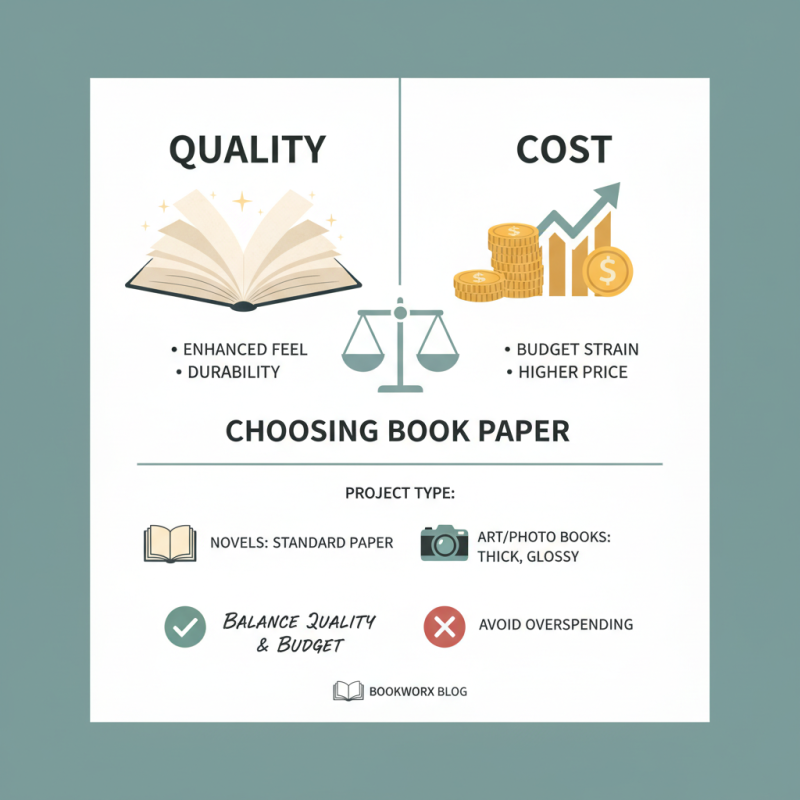
Choosing the right book paper is a balance between quality and cost. High-quality paper often enhances a book's overall feel. However, it can strain your budget. Think about your project’s type. If you’re printing a novel, standard paper might suffice. For art books or photo collections, a thicker, glossy option could be necessary.
Costs can quickly escalate. Evaluate different types of paper and their price points. Assessing your needs is crucial. Consider longevity and how the paper will hold up over time. Sometimes, the least expensive option may lead to issues, such as ink bleed or poor texture. Occasionally, it’s worth spending a bit more.
Reflect on what matters most for your readers. Will they appreciate vibrant colors and high-quality images? Or will they be satisfied with simple, effective text? Review your budget. It’s a constant tug-of-war between quality and price. Be prepared to make compromises. Taking the time to analyze what will serve your project best is essential.