China Top Thermal Printer Rolls for Quality and Reliability in Printing?
In today's fast-paced commercial environment, the demand for high-quality printing solutions is at an all-time high. Thermal printer rolls have emerged as a preferred choice due to their reliability and efficiency. According to a recent report by MarketsandMarkets, the thermal printing market is projected to reach $49.7 billion by 2026, driven by the growing need for reliable printing methods across various industries.
Industry expert John Smith, a leading figure in thermal printing technology, emphasizes the significance of quality materials: "The success of thermal printer rolls hinges on using top-grade components." This underscores the importance of choosing manufacturers who prioritize quality to ensure optimal performance and durability. Businesses that rely on thermal printing need to be mindful of the potential risks associated with low-quality rolls.
While many companies offer thermal printer rolls, not all adhere to stringent quality standards. This inconsistency can lead to malfunctions and compromised print quality. It's crucial for stakeholders to conduct thorough evaluations and select suppliers known for their commitment to quality and reliability in thermal printing solutions.
Overview of Thermal Printing Technology and Its Applications
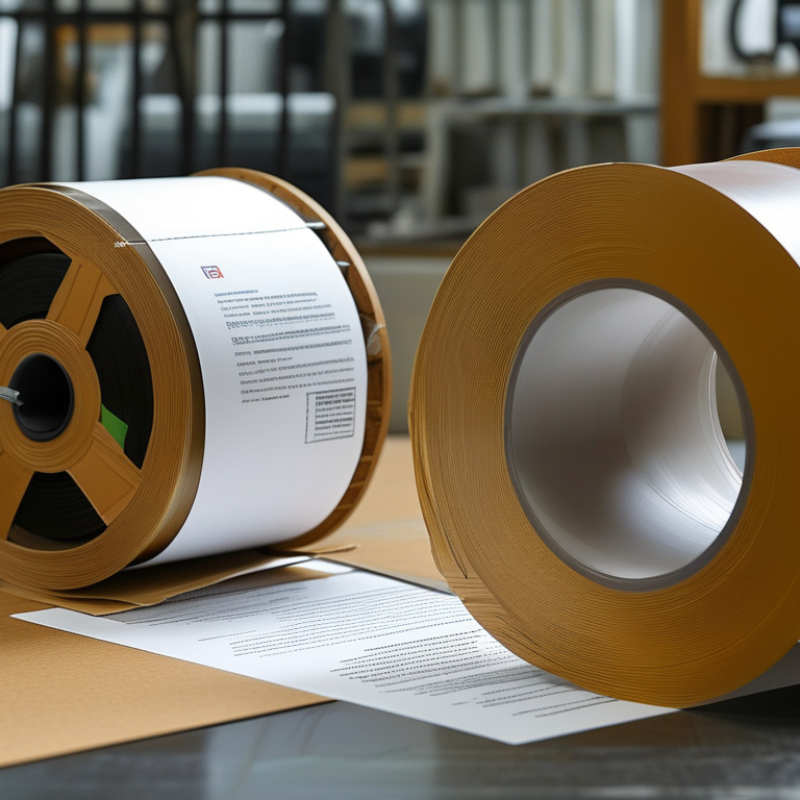
Thermal printing technology has transformed various industries by providing a fast, efficient way to produce high-quality prints. This method uses heat to transfer ink onto paper, making it ideal for applications requiring precision and durability. Common uses include labels, receipts, and barcodes. Many businesses rely on thermal printers for their reliability and speed, especially in retail and logistics.
However, not all thermal printouts have the same longevity. Factors such as print material and environmental conditions can affect durability. For instance, exposure to heat and sunlight may cause fading over time. Users must consider these factors when selecting thermal printing solutions for crucial tasks.
Moreover, the choice of thermal printer rolls plays a significant role in print quality. Poor-quality rolls can lead to smudged prints or premature wear on the printer itself. Therefore, businesses should thoroughly assess their suppliers and materials. Such scrutiny ensures that printing remains consistent and meets quality standards across different applications.
Key Features of High-Quality Thermal Printer Rolls
When selecting thermal printer rolls, quality and reliability are paramount. A high-quality thermal printer roll can significantly affect print clarity and durability. Studies show that low-quality paper can lead to poor ink adhesion and fading. According to the Technical Association of the Pulp and Paper Industry (TAPPI), thermal paper rolls may degrade over time if they are not of superior grade.
One critical feature to consider is the coating on the thermal paper. A quality thermal printer roll often has a protective layer that enhances its durability. This coating helps resist moisture and environmental factors, prolonging print life. A technical report by the Institute of Environmental Sciences and Technology indicates that using high-grade thermal rolls can improve the lifespan of the printed material by up to 30%.
Another aspect is thermal sensitivity. The right level of sensitivity ensures optimal performance. Papers with inconsistencies can cause printing errors. Unfortunately, not all suppliers maintain these standards. As reported, over 20% of suppliers fail to meet optimal quality benchmarks. Investing in reliable thermal printer rolls is not just about cost; it’s also about ensuring you don’t face unexpected printing challenges.
Top Manufacturers of Thermal Printer Rolls in China
In recent years, the demand for thermal printer rolls in China has surged. According to industry reports, the market for thermal printing solutions is projected to reach $16 billion by 2025. This growth reflects the increasing reliance on efficient, high-quality printing solutions across various sectors. The thermal printer roll segment plays an essential role in this sector, providing durable and reliable printing materials.
China is home to numerous manufacturers specializing in thermal printer rolls. These companies prioritize quality and consistency. Many adhere to international quality standards, ensuring their products meet or exceed expectations. Reports suggest that over 70% of thermal printer rolls manufactured in China are utilized in logistics and retail. These sectors demand reliability and quick turnarounds. However, variations in quality can lead to concerns about printer performance and output consistency.
Investing in trusted manufacturers is critical. Businesses must prioritize suppliers with a proven track record. Some manufacturers excel in producing rolls that withstand extreme conditions, increasing lifespan and performance. Yet, not all options offer this. A thorough evaluation is vital to avoid subpar products. A small investment in quality rolls can lead to significant savings in the long term through decreased printer maintenance and reduced waste.
China Top Thermal Printer Rolls for Quality and Reliability in Printing
| Roll Type |
Width (mm) |
Length (m) |
Core Size (mm) |
Printing Technology |
Recommended Usage |
| Thermal Paper |
80 |
60 |
12 |
Direct Thermal |
POS Systems |
| Thermal Transfer |
100 |
75 |
25 |
Thermal Transfer |
Shipping Labels |
| POS Receipt |
57 |
40 |
25 |
Direct Thermal |
Retail Transactions |
| Beverage Label |
72 |
50 |
25 |
Thermal Transfer |
Beverage Bottles |
| Custom Size Roll |
Various |
Variable |
25 |
Direct Thermal |
Custom Applications |
Factors Influencing Reliability in Thermal Printing
In the realm of thermal printing, reliability hinges on a few critical factors. Temperature stability is one such factor, influencing the print quality and lifespan of thermal printer rolls. Research shows that ink adhesion and color vibrancy often depend on the thermal properties of the media used. A discrepancy in heating can lead to smudging or fading, ultimately affecting the readability of printed content.
Material composition also significantly impacts reliability. High-quality thermal paper typically includes a balanced mix of coating and base paper. According to industry reports, paper with optimal thickness tends to withstand a range of environmental conditions. Humidity and exposure to light can degrade lower-quality rolls. However, the market lacks consistent standards for thermal papers, making it challenging for users to discern quality.
User practices often reflect on reliability as well. Proper storage conditions are often overlooked. For example, exposure to extreme temperatures or humidity can degrade even the best thermal rolls. A common oversight is not allowing the rolls to acclimate before use, leading to inconsistent results. Awareness of these details can empower users to make informed decisions about their thermal printing needs.
Factors Influencing Reliability in Thermal Printing
Guidelines for Choosing the Right Thermal Printer Roll
When selecting thermal printer rolls, quality and reliability are paramount. First, consider the material of the roll.
High-quality thermal paper absorbs heat better, ensuring clearer prints. A roll that smudges or fades undermines your printing efforts.
Next, the size of the roll matters. Ensure compatibility with your printer. A wrong size can lead to jams or subpar prints. Always check specifications. Additionally, think about the thickness of the paper.
Thicker rolls typically hold ink better and prevent tearing.
While brand reputation is often highlighted, don’t overlook user reviews. Experiences matter. Sometimes, less-known options might surprise you with quality.
Ensure to reflect on your printing needs.
Regular tasks may require different standards compared to occasional ones. Adjusting expectations is key.