Best Thermal Printing Paper for Your Business Needs in 2023
In the rapidly evolving world of business, the choice of materials and equipment is paramount, with "Thermal Printing Paper" standing out as a crucial component for various operational needs. According to industry expert John Smith, a leading figure in printing technology, "The quality of thermal printing paper can significantly affect not only the efficiency of printing operations but also the overall customer experience." As businesses strive to enhance their productivity and service quality, the selection of the right thermal printing paper becomes increasingly vital.
In 2023, organizations must navigate a plethora of options available in the market, each claiming to provide the best quality and performance. Given the diverse requirements across different sectors—from retail to logistics—understanding the nuances of thermal printing paper, such as sensitivity, durability, and compatibility with printers, is essential. This guide aims to illuminate the best thermal printing paper options tailored to meet the unique needs of businesses, ensuring that they remain competitive and responsive to customer demands.
Ultimately, the right thermal printing paper not only optimizes printing processes but also plays a significant role in brand representation. As we delve into the various selections available this year, it is crucial to consider factors such as application, cost-effectiveness, and sustainability. Businesses that take these elements into account are better positioned to leverage the benefits of high-quality thermal printing paper in their operations.

Types of Thermal Printing Paper: A Comprehensive Overview
When it comes to thermal printing paper, understanding the various types available is crucial for businesses looking to optimize their printing solutions. Thermal printing paper can primarily be categorized into direct thermal and thermal transfer paper. Direct thermal paper is coated with a heat-sensitive layer that changes color when exposed to the print head's heat. This type is widely used in applications such as receipts, labels, and shipping documents due to its simplicity and cost-effectiveness. According to industry reports, the global market for direct thermal labels is projected to grow at a CAGR of 6.8% from 2022 to 2028, highlighting its increasing adoption in various sectors.
On the other hand, thermal transfer paper involves a ribbon that melts onto the substrate, providing a more durable and long-lasting print. This type is particularly suited for applications requiring high-quality images and resistance to fading, like barcode labels and product tags. The thermal transfer paper market is also witnessing significant growth, with research indicating a rise in demand as retailers and manufacturers focus on improving inventory management systems. The durability and versatility of thermal transfer solutions make them an attractive option for businesses looking to enhance their operational efficiency and customer service.
In addition to these primary categories, businesses should consider factors such as paper weight, coating type, and thermal sensitivity when selecting thermal printing paper. As the industry continues to evolve, keeping abreast of the latest trends and technological advancements will be essential for companies seeking to meet their printing needs effectively.
Factors to Consider When Choosing Thermal Printing Paper
When selecting thermal printing paper for your business needs, several critical factors come into play to ensure optimal performance and cost-effectiveness. One of the most important considerations is the paper's coat weight, which affects durability and print quality. According to a report by Smithers Pira, the global market for thermal paper is expected to reach 4.4 million tons by 2024, largely driven by the rising demand in retail environments and logistics. Businesses must choose a paper weight that can withstand daily usage and provide clear printing results without smudging or fading.
Another essential aspect is the paper's sensitivity level, which directly influences how well it responds to heat. Higher sensitivity papers tend to produce sharper images while lower sensitivity options may be more economical but can result in poorer print quality. A study by Grand View Research found that the demand for high-sensitivity thermal printing papers has been growing, particularly in sectors like e-commerce and ticketing, where quick and reliable printing is paramount. In addition, businesses should consider the environmental impact of the thermal paper chosen, as sustainable options are increasingly sought after; a shift that aligns with 69% of consumers who prefer brands that prioritize eco-friendly practices according to recent surveys.
Best Thermal Printing Paper for Your Business Needs in 2023
| Paper Type |
Thickness (microns) |
Width (mm) |
Length (m) |
Brightness (%) |
Usage |
| Standard Thermal Paper |
55 |
80 |
120 |
88 |
Receipts |
| Premium Thermal Paper |
65 |
80 |
150 |
90 |
Shipping Labels |
| Water-Resistant Thermal Paper |
70 |
100 |
200 |
92 |
Outdoor Labels |
| Eco-Friendly Thermal Paper |
60 |
80 |
180 |
85 |
General Use |
Top Brands of Thermal Printing Paper in 2023
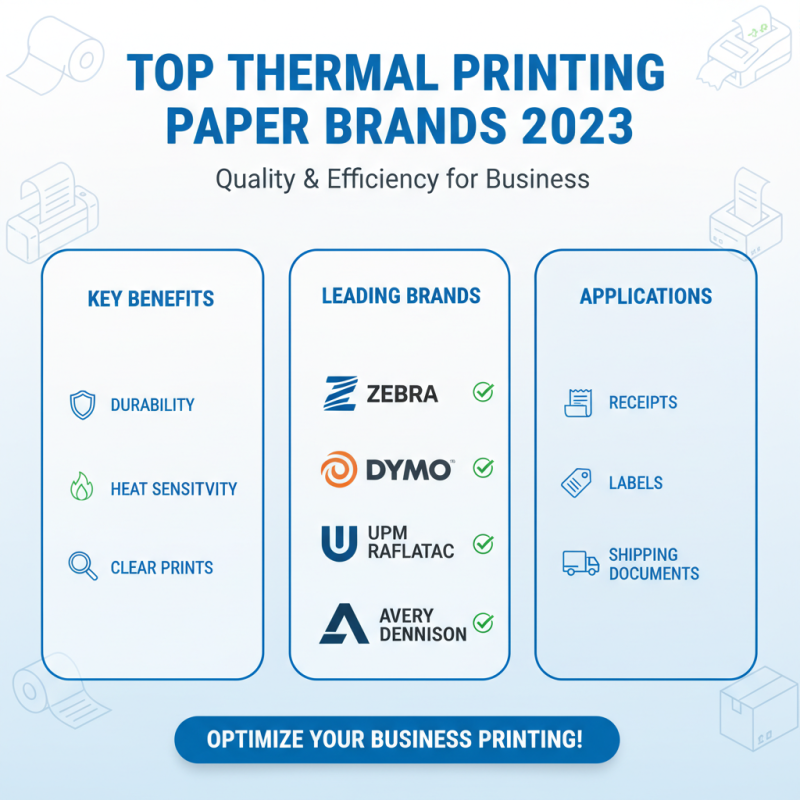
When it comes to selecting thermal printing paper for your business needs in 2023, understanding the top brands available can make a significant difference in the quality of your printed materials. The market offers a variety of options suited for different applications, such as receipts, labels, and shipping documents. Leading brands are known for their durability, heat sensitivity, and clarity, ensuring that your prints maintain high quality while being cost-effective.
**Tips:** When choosing thermal printing paper, consider the paper thickness and coating to ensure compatibility with your specific printer model. Additionally, look for papers that are resistant to fading and smudging, which is particularly important for long-lasting documents like invoices or labels.
In 2023, several top brands are recognized for their outstanding thermal printing paper, offering products that meet diverse business requirements. Prioritizing quality and performance helps streamline your operations, allowing you to focus on your core business activities without worrying about print failures or inefficiencies. Selecting reputable brands often leads to a smoother printing experience, enhancing the professionalism of your business communications.
**Tips:** It's also wise to check for bulk purchasing options and compare prices from different suppliers, as this can lead to significant cost savings over time. Make sure to test samples where possible to ensure the paper meets your printing requirements and delivers excellent results consistently.
Applications of Thermal Printing Paper in Various Industries
Thermal printing paper has become a pivotal element across various industries due to its efficiency and versatility. In retail, for instance, thermal printing paper is primarily utilized for generating receipts, labels, and tickets. According to a report by Market Research Future, the global market for thermal paper is expected to reach USD 5.2 billion by 2025, driven largely by the retail sector’s increasing preference for cost-effective printing solutions. The ability to print high-quality barcodes and QR codes on thermal labels has also streamlined inventory management processes, enhancing operational efficiency.
In the healthcare sector, thermal printing paper is indispensable for producing medical records, medication labels, and patient wristbands. A study published by Healthcare Information and Management Systems Society (HIMSS) emphasized that timely and accurate printing of patient information can significantly reduce medication errors. Moreover, with the rise of digital healthcare solutions, the demand for specialized thermal paper that withstands the rigors of various environmental conditions has escalated. This trend highlights the growing reliance on thermal printing technology in ensuring patient safety and the overall efficiency of healthcare operations.
Moreover, logistics and transportation industries have embraced thermal printing for shipping labels and tracking purposes. With the e-commerce sector booming, an estimated 30% annual growth rate in parcel delivery is expected, as reported by the International Air Transport Association (IATA). This growth amplifies the necessity for fast, reliable, and high-volume printing solutions, making thermal printing paper a crucial resource. The adaptability of thermal printing technology continues to open new avenues in multiple industries, indicating a robust future ahead.
Best Thermal Printing Paper Applications in Various Industries (2023)
This chart illustrates the application of thermal printing paper across various industries in 2023. Retail leads with the highest usage percentage, followed by healthcare and logistics. This highlights the importance of thermal printing solutions in different business sectors.
Tips for Maintaining Thermal Printing Paper Quality and Performance
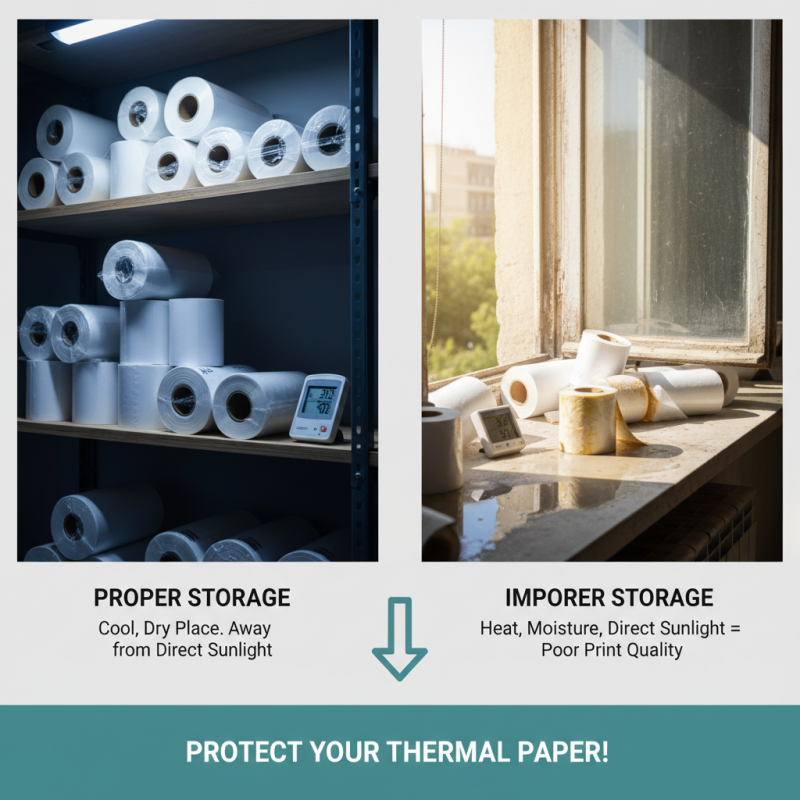
Thermal printing paper is essential for businesses that rely on receipt printing, labels, or any other form of thermal printing. To ensure that your thermal printing paper maintains its quality and performance, there are several tips you can follow. First, store your thermal paper rolls in a cool, dry place, away from direct sunlight. Exposure to heat and moisture can degrade the paper, leading to poor print quality and premature fading.
Another important aspect of maintaining thermal printing paper is to handle it with care. Avoid touching the surface of the paper with your fingers, as oils and dirt can affect print quality. Additionally, regularly check your printer settings to ensure they are optimized for the type of thermal paper you are using. This can help prevent issues like smudging or improper alignment, enhancing the longevity of your printing materials.
Lastly, it's wise to monitor your inventory and rotate stock by using older rolls first. This way, you can avoid using expired paper that may no longer deliver the expected results. By following these maintenance tips, you can improve the efficiency of your thermal printing processes and ensure consistently high-quality outputs for your business.