Best Paper Receipt Rolls for Your Business Needs?
Choosing the right Paper Receipt Rolls is essential for any business. They impact daily operations and customer satisfaction. The variety of rolls can be overwhelming. Each type serves a different purpose, and understanding these differences helps in making informed decisions.
High-quality Paper Receipt Rolls ensure clear printing. Poor quality may lead to faded receipts, frustrating customers. Businesses often underestimate the importance of durability. A roll that tears easily can disrupt transactions and cause delays. Considerations like size, width, and compatibility with printers matter significantly.
It's easy to overlook the small details when selecting Paper Receipt Rolls. Some businesses choose based on price alone, which can backfire. Investing in reliable rolls might seem costly initially but may save money long-term. Reflecting on these factors can transform your purchasing strategy.
Understanding the Importance of Paper Receipt Rolls for Businesses
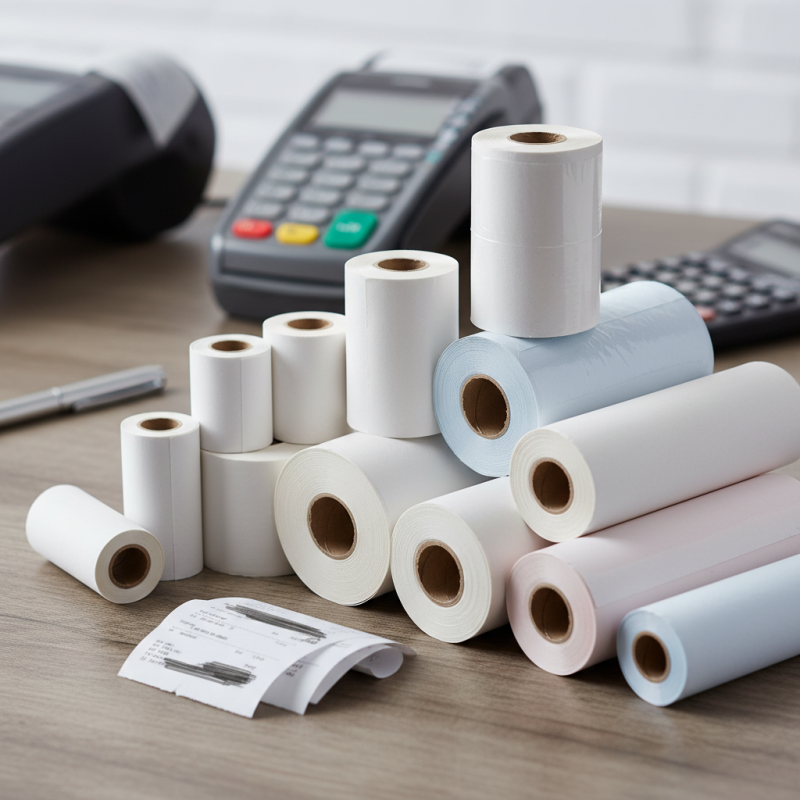
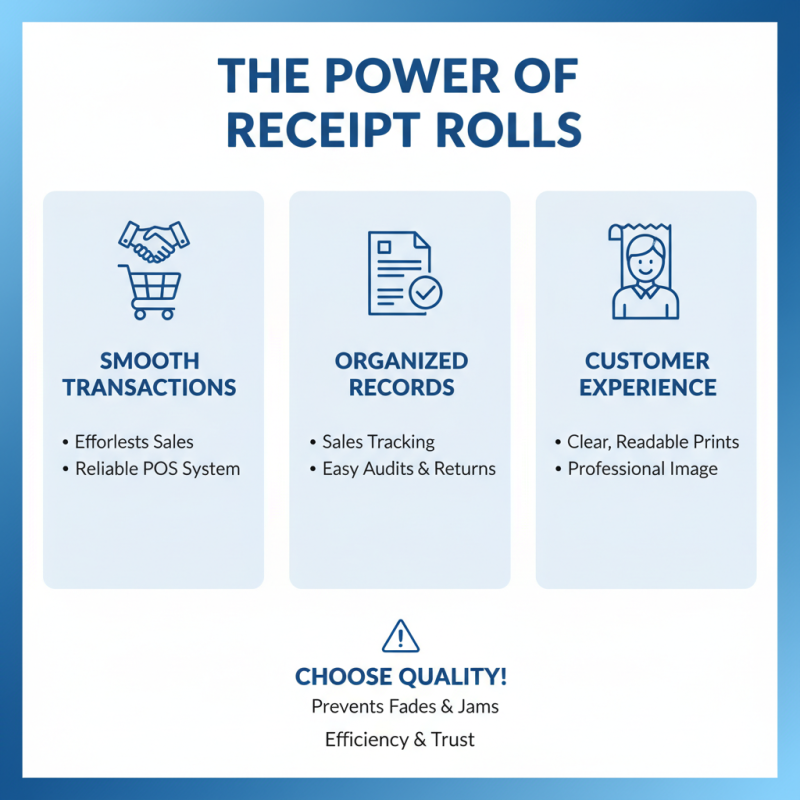
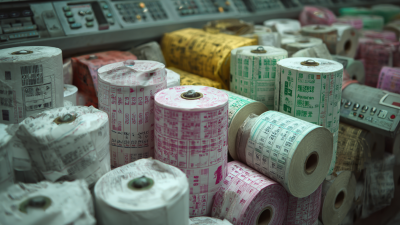
Paper receipt rolls play a vital role in the daily operations of many businesses. They ensure smooth transactions and maintain an organized record of sales. Choosing the right paper receipt roll affects both functionality and customer experience. High-quality rolls produce clear prints, reducing the chances of errors. Poor quality might lead to faded receipts or paper jams.
In many cases, businesses overlook the importance of paper choice. Thin rolls can tear easily, disrupting service. Thick rolls may be more durable, but they can also lead to higher costs. Balancing quality and affordability is not an easy task. Some businesses might choose a cheaper option, which can result in poor service perception. Customer frustration can stem from unclear receipts or long wait times due to paper issues.
It’s essential to think about this aspect carefully. Regular audits of paper usage might reveal surprising insights. Stores can benefit by asking customers about their experience too. If a receipt is hard to read, that could affect future transactions. Listening to feedback can guide businesses towards making better choices regarding their receipt paper.
Types of Paper Receipt Rolls Available on the Market
When selecting paper receipt rolls for your business, it’s essential to understand the different types available.
Thermal receipt rolls are popular in many industries. They provide quick printing, which is great for busy environments.
These rolls work without ink, saving costs and reducing mess. However, temperature can affect print quality. Too much heat or cold may lead to faded or illegible receipts.
Bond paper rolls are another option. They are often used in restaurants and retail stores. This type often features a glossy surface, enhancing print clarity.
These rolls require ink and can smear if they aren’t handled properly. Many businesses find that while bond paper is durable, it may not be ideal for quick service environments.
Finally, multi-part receipt rolls help in creating copies for transactions. They offer a great solution for businesses needing records.
The downside? They usually require more effort to align properly during printing. Finding the right balance between cost and quality can be a challenge. Each type comes with pros and cons.
Selecting the best one requires careful consideration of your specific needs.
Factors to Consider When Choosing Receipt Rolls for Your Business
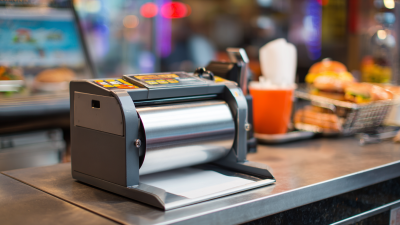
When choosing receipt rolls for your business, several factors should guide your decision. The type of printer you use is crucial. Different printers require specific roll sizes and types. Make sure to know the dimensions your machine accepts. This avoids mismatches that lead to waste.
Consider the quality of the receipt paper. Thicker rolls tend to be more durable and less prone to tearing. Low-quality paper may fade quickly, affecting readability. High-quality rolls can save you money in the long run. Customers appreciate a well-printed receipt.
Tips: Always order a sample first. Testing it with your printer will help you judge the quality. Think about the environment too. Some rolls are more eco-friendly than others. Your choice can reflect your business values.
Another key aspect is the thermal sensitivity of the paper. High-sensitivity rolls react better to heat, ensuring crisp prints. However, they may also yellow faster. Evaluating your needs will help you balance quality and cost. Being mindful of these points can set you apart in a competitive market.
Top Brands and Recommendations for Quality Receipt Rolls
When selecting the best paper receipt rolls for your business, quality matters. Look for rolls that resist smudging and fading. This ensures longevity in printed receipts. Thin rolls can jam easily, creating headaches for staff. Consider the width and length to maintain compatibility with your printer.
Tips: Always test a sample roll before buying in bulk. Sometimes, the best options turn out to be less obvious. Don’t overlook the importance of coating on receipts. A good coating enhances print quality and durability.
It can be tempting to opt for cheaper rolls. However, lower prices can lead to poor performance. Some rolls may not feed correctly, causing disruption. Regularly review your receipt paper supply, ensuring it's up to standards. You might find that investing in quality rolls saves time and stress in the long run.
Best Paper Receipt Rolls for Your Business Needs
Tips for Proper Storage and Use of Paper Receipt Rolls
Storing paper receipt rolls properly can enhance your business operations. The National Association of Professional Women reports that up to 40% of businesses face challenges with inventory management. Most don't realize how crucial storage conditions are. Maintaining the right humidity levels is vital. Ideal storage should be between 20% to 40% relative humidity. This helps prevent paper damage and ink fading.
Using receipt rolls effectively goes beyond storage. Regularly check inventory levels to avoid running out. Business experts recommend rotating stock to use older rolls first. This simple practice can reduce waste. Temperature also plays a role; keep rolls in a cool, dry environment. Some studies suggest that high temperatures can affect print quality.
Using subpar rolls can lead to poor customer experience. Make sure to select rolls that meet industry standards. Not all rolls are created equal. Pay attention to thickness and coating, as they affect durability. Using the right type can save you from frustration later. Many businesses overlook this detail, leading to unnecessary costs in the long run.
Best Paper Receipt Rolls for Your Business Needs - Tips for Proper Storage and Use of Paper Receipt Rolls
| Roll Type |
Width (mm) |
Length (m) |
Core Size (mm) |
Compatibility |
Storage Tips |
| Thermal Receipt Roll |
80 |
70 |
12 |
Most POS Terminals |
Store in a cool, dry place away from direct sunlight. |
| Standard Receipt Roll |
57 |
50 |
12 |
Many older POS Systems |
Keep rolls in their original packaging until use. |
| Impact Receipt Roll |
76 |
60 |
12 |
Dot Matrix Printers |
Store in a flat position to prevent damage. |
| Eco-Friendly Roll |
80 |
90 |
12 |
Various POS Machines |
Avoid extreme temperatures to maintain quality. |