10 Best Bond Paper Types for Professional Printing Needs
In the realm of professional printing, the choice of paper can significantly impact the final product's quality and presentation. As John Smith, an industry expert with over two decades of experience in printing solutions, aptly puts it, "The right bond paper can elevate your project from ordinary to extraordinary." With a myriad of options available, understanding the various types of bond paper is essential for achieving the best results in print.
Bond paper is renowned for its durability, smooth finish, and ability to deliver crisp text and vibrant images. Whether you’re preparing legal documents, corporate reports, or marketing materials, selecting the right type of bond paper can enhance readability and make a lasting impression on your audience. This article delves into the ten best bond paper types available for professional printing needs, providing insights into their unique characteristics and applications to help you make an informed choice.
Ultimately, the selection of bond paper goes beyond mere functionality; it's about selecting a medium that embodies professionalism and attention to detail. As we explore the best options in bond paper, consider how each type can contribute to the overall impact of your printed work.
Top Features to Consider When Choosing Bond Paper for Professional Printing
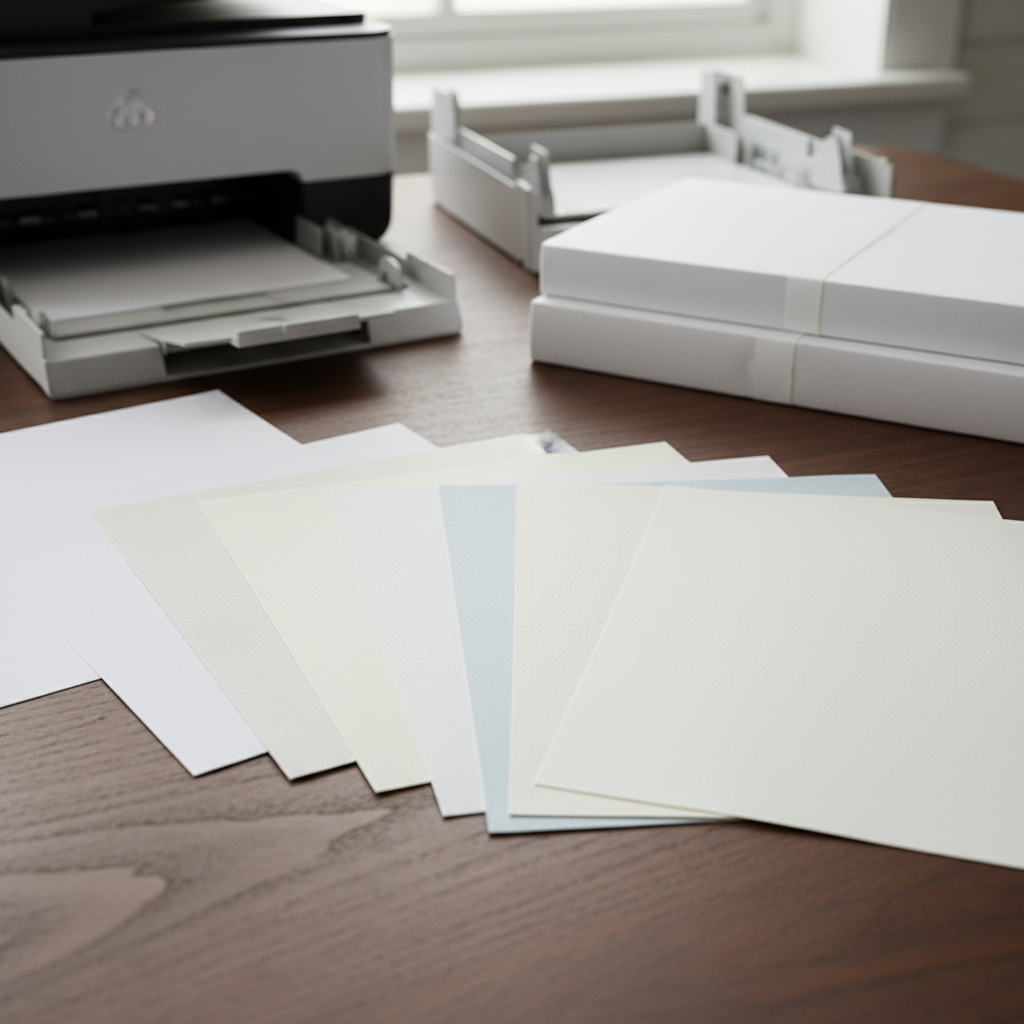
When selecting bond paper for professional printing, several key features should be taken into consideration to ensure optimal results. First, the weight and thickness of the paper often play a crucial role in the perceived quality of the printed material. Generally, a heavier weight—typically ranging from 20 lb to 32 lb—is ideal for documents that need to convey professionalism and durability. A thicker sheet not only enhances the tactile experience but also reduces the likelihood of ink bleed-through, making it suitable for double-sided printing.
Another important aspect to consider is the finish of the bond paper. Options include smooth, laid, and linen finishes, each delivering different aesthetic and functional qualities. A smooth finish is excellent for high-resolution prints and sharp text, while a laid finish adds a classic touch that is visually appealing. Additionally, the brightness level of the paper can significantly influence color vibrancy; higher brightness levels yield more vivid and contrasting prints, benefiting promotional materials and presentations. Taking these features into account will help in selecting the right bond paper to meet professional printing needs effectively.
10 Best Bond Paper Types for Professional Printing
The Best Bond Paper Types for High-Quality Color Printing Projects
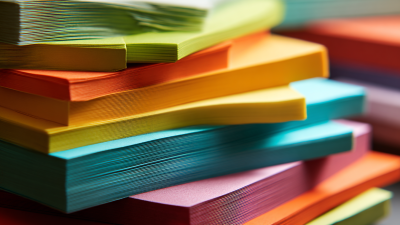
When it comes to high-quality color printing projects, selecting the right bond paper type is crucial for achieving the best results. Bond paper is known for its durability and versatility, making it a popular choice for professional printing applications. Among the various options available, bright white bond paper often tops the list due to its excellent color reproduction, providing vibrant hues and sharp contrasts that enhance images and text alike. Additionally, its smooth finish allows for crisp lines, making it ideal for brochures, flyers, and other marketing materials.
Another excellent choice is the recycled bond paper, which offers a more environmentally friendly option without compromising on quality. This type of bond paper is designed to yield rich colors while maintaining a high level of opacity, ensuring that printed designs stand out effectively. For projects requiring a more textured appearance, linen or laid bond paper can add a refined touch, making documents feel unique and professional. By carefully selecting the appropriate bond paper, designers and printers can elevate their color printing projects to a new level of excellence.
Comparative Review of Business-Grade Bond Papers for Marketing Materials
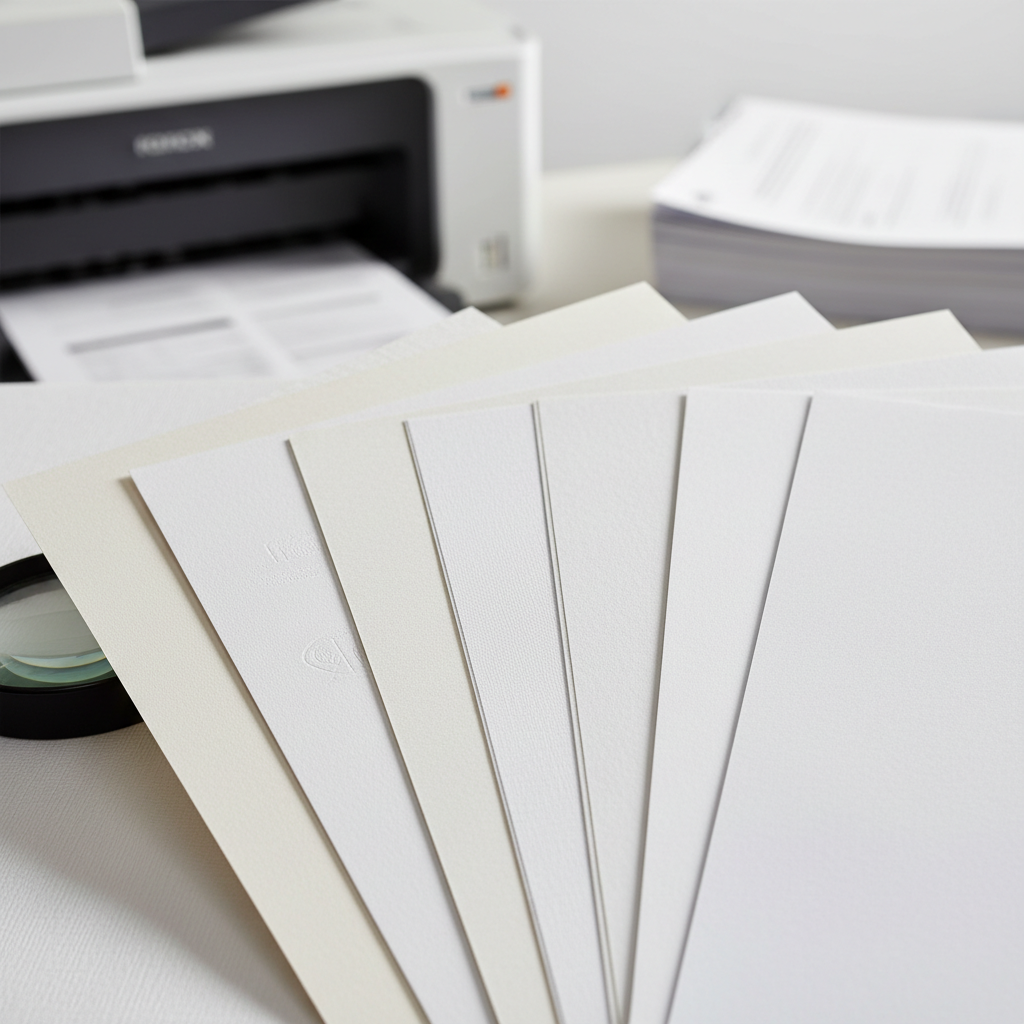
When it comes to selecting the right bond paper for professional printing needs, various business-grade options cater to marketing materials. The key to making an informed choice lies in comparing the characteristics of different bond paper types. For instance, using data from industry reports, 24lb bond paper is often recommended for its superior thickness and durability, making it an ideal choice for marketing materials that require a professional touch. This weight provides an important balance between quality and cost-effectiveness, which is essential for businesses looking to maximize their marketing impact without overspending.
**Tips:** When choosing bond paper, consider the finish as well. A smooth finish is ideal for sharp text and graphics, while a textured finish can enhance the tactile experience of your documents. Additionally, think about the ink compatibility; some papers perform better with certain ink types, affecting the overall print quality.
Another factor to consider is the environmental impact of your chosen bond paper. Opting for recycled options not only helps reduce waste but can also appeal to eco-conscious consumers. Research indicates that using recycled bond paper doesn't compromise quality, allowing businesses to maintain their professional image while supporting sustainability efforts.
Eco-Friendly Bond Paper Options for Sustainable Printing Solutions
In today's environmentally conscious world, choosing eco-friendly bond paper is essential for businesses that prioritize sustainability in their printing processes. Eco-friendly bond paper options often feature recycled content, which significantly reduces the need for virgin pulp and helps in conserving natural resources. According to the Environmental Paper Network, the production of recycled paper uses about 30% less energy and water compared to making paper from virgin fibers. This not only minimizes the carbon footprint associated with paper production but also supports sustainable forestry practices.
Moreover, many manufacturers now produce bond paper that is both high-quality and eco-conscious, ensuring that professional printing needs are met without compromising environmental values. For instance, papers certified by the Forest Stewardship Council (FSC) guarantee that materials come from responsibly managed forests. Research indicates that using FSC-certified paper can lead to a reduction in greenhouse gas emissions by up to 50%. As businesses seek to improve their sustainability metrics, incorporating eco-friendly bond paper into their procurement strategies is a proactive step towards achieving these goals while maintaining professional standards in their printed materials.
10 Best Bond Paper Types for Professional Printing Needs
| Bond Paper Type |
Weight (GSM) |
Thickness (Microns) |
Recycled Content (%) |
Certifications |
| Classic Bond |
90 |
110 |
20 |
FSC Certified |
| Eco-Friendly Bond |
80 |
100 |
50 |
Recyclable |
| Premium Bright White |
100 |
120 |
30 |
FSC Certified |
| Lightweight Bond |
60 |
80 |
40 |
SFI Certified |
| Natural Textured Bond |
120 |
150 |
10 |
EcoLabel |
| Matte Coated Bond |
90 |
110 |
20 |
Greenguard Certified |
| Smooth Finish Bond |
100 |
130 |
25 |
FSC Certified |
| Colored Bond |
80 |
100 |
15 |
Recyclable |
| Heavyweight Bond |
130 |
160 |
5 |
SFI Certified |
| Translucent Bond |
70 |
90 |
30 |
Greenguard Certified |
Unique Textures and Finishes in Bond Paper for Enhanced Visual Impact
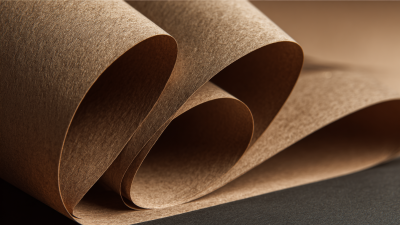
When it comes to professional printing, the choice of bond paper can significantly enhance the visual impact of your projects. Bond paper is not just about functionality; its unique textures and finishes can transform a mundane document into a visually striking presentation. For instance, a linen finish offers a tactile experience that elevates the overall impression of business correspondence or marketing materials. The subtle texture of linen not only catches the light but also provides an elegant feel, making it ideal for important documents.
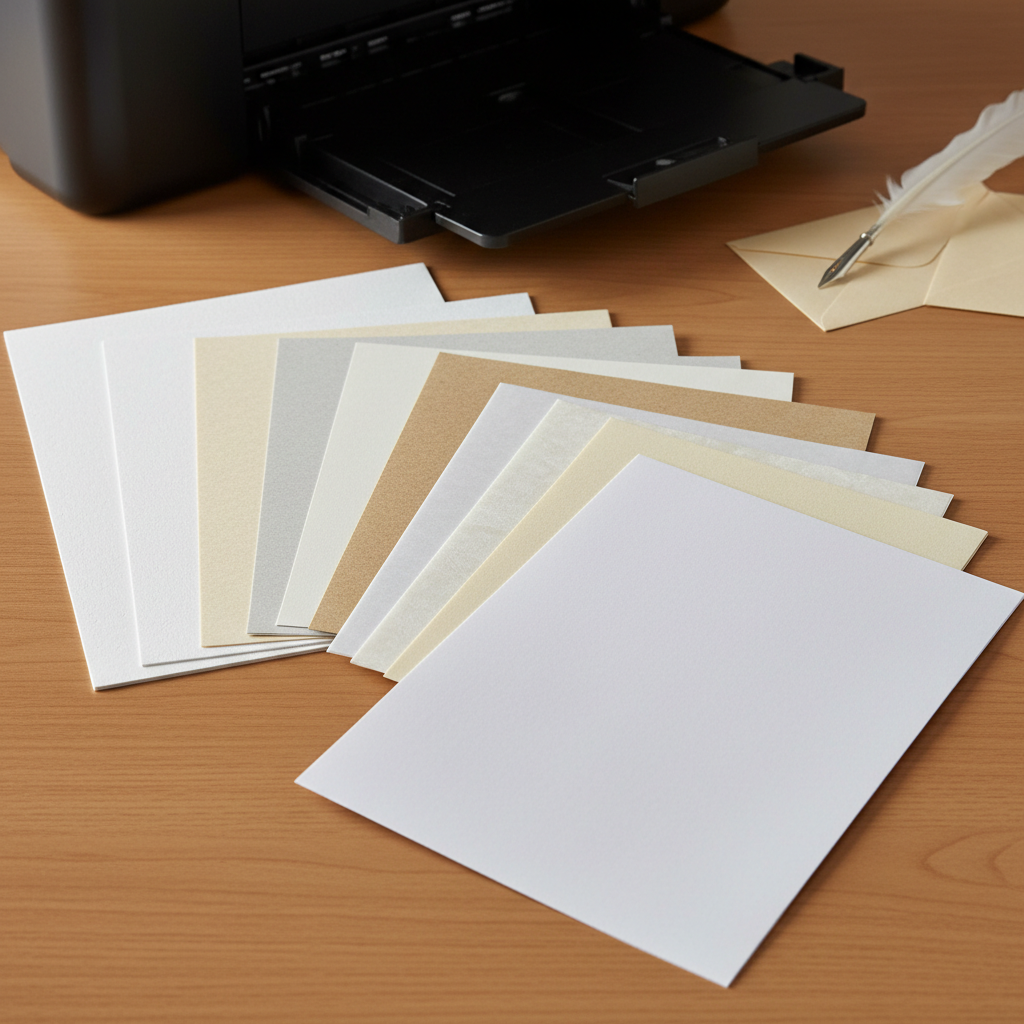
Another option to consider is felt finish bond paper, which presents a softer surface that exudes sophistication and warmth. This kind of paper is excellent for high-quality printing, allowing colors to appear richer and more vibrant. Moreover, papers with a glossy finish can provide a polished look, perfect for photographs or colorful graphics. By selecting the right texture and finish, you can tailor your printed materials to align with the desired message and aesthetic, ensuring that they stand out in any professional setting.