What Is the Best A4 Paper for Printing and Crafting?
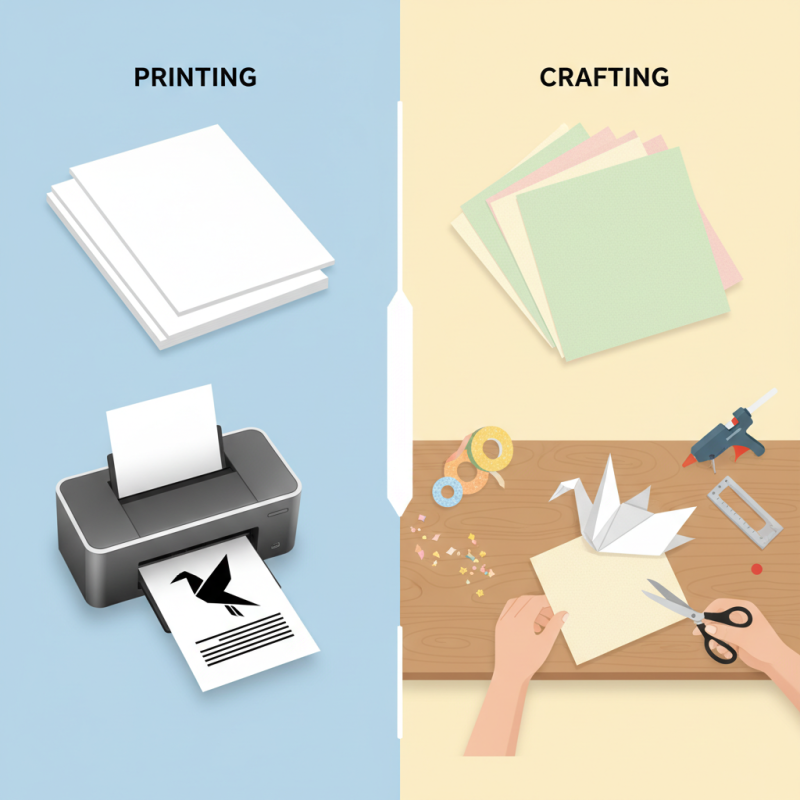
Choosing the right A4 Paper can significantly impact your printing and crafting projects. With various types available, it's essential to identify what suits your needs best. A4 Paper varies in weight, texture, and finish. These factors influence the final outcome of your work.
For printing, a smooth, bright finish helps produce sharp images and text. It's surprising how often people overlook these details. The wrong paper can lead to smudged ink or blurred images. Crafting requires a different approach, focusing on thickness and durability. Choosing the wrong paper can lead to disappointing results.
While some may think any A4 Paper will do, that's often not the case. A better understanding of paper types can elevate your projects. Reflecting on your choices is key. Crafting can be about trial and error. Embrace the learning process, and you'll find the A4 Paper that truly meets your creative vision.
Types of A4 Paper Suitable for Printing and Crafting
When choosing A4 paper for printing and crafting, consider the different types available. Standard printer paper is versatile and affordable. It works well for everyday printing tasks. However, it may not be the best choice for art projects. Its texture is often too smooth for vibrant results.
For crafting, consider textured paper. This type adds depth to your projects. It can make your printed images pop. Cardstock is another excellent option. It is sturdy and works well for making cards or scrapbooking. Many crafters prefer this for its robust feel.
Tip: Always test the paper first. Print a small design to see how it looks. Different papers absorb ink differently. You may find some options produce unexpected results.
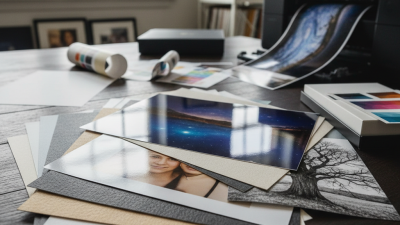
Additionally, consider using glossy paper for photographs. It can enhance colors and contrasts. However, it smudges easily. Handle it with care after printing. Regular copier paper may not suit this purpose. Experiment with different finishes to discover what works best for you. Each paper type has its strengths and weaknesses. Don't hesitate to explore your options.
Best A4 Paper Types for Printing and Crafting
Key Characteristics of Quality A4 Paper
When it comes to choosing A4 paper for printing and crafting, several key characteristics stand out. Weight is an important factor, typically measured in grams per square meter (GSM). A heavier paper, around 100-120 GSM, is ideal for printing sharp images and vibrant colors. This thickness also adds durability, making it suitable for crafting projects.
Another crucial characteristic is brightness. A bright paper enhances colors, making them pop. This is especially important for detailed prints where accuracy and vibrancy matter. Sometimes, however, achieving the right brightness can be tricky. A paper that is too bright may lead to glare on glossy surfaces. This can obscure details and diminish the overall quality.
Texture plays a significant role as well. Smooth paper is perfect for printing, while textured paper can add a unique feel to crafts. It’s essential to consider your project's specific needs. Some people may prefer a slightly rough finish, while others find it challenging. Testing different types can reveal surprising results. Emphasizing these characteristics can lead to a better outcome in your printing and crafting adventures.
Best Printing Techniques for Various A4 Paper Types
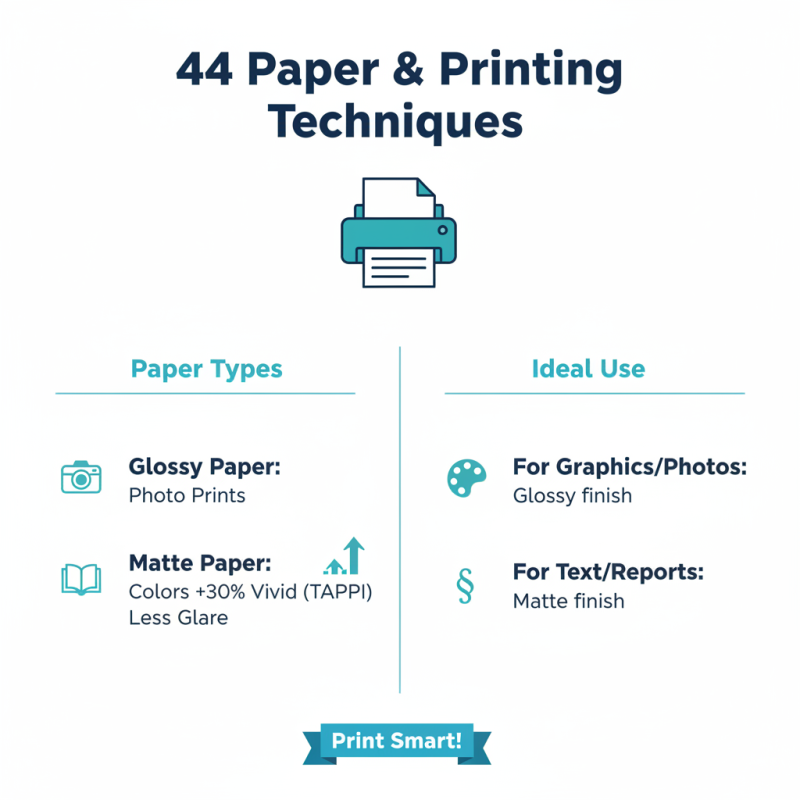
When selecting A4 paper for printing and crafting, understanding the best printing techniques is crucial. Different paper types yield varied results. For instance, glossy paper captivates attention with vibrant colors, making it ideal for photo prints. According to the Technical Association of the Pulp and Paper Industry, prints on glossy paper can appear 30% more vivid. However, this paper may not be suitable for text-heavy documents.
Conversely, matte paper offers a sophisticated finish. This paper absorbs ink well, reducing glare. It's often preferred for brochures and reports. A study by the International Association of Graphic Arts suggests that matte prints can enhance readability by up to 20%. Yet, some users report that colors can look duller on matte surfaces.
It's also important to consider the weight of the paper. Heavier papers, such as those over 200 gsm, can produce high-quality results but may jam printers. It’s a common frustration among users. Experimenting with various paper weights and types helps refine your printing technique. Remember, the goal is to find a balance between quality and practicality.
Recommended A4 Paper Brands for Crafts and Print Projects
Choosing the right A4 paper for printing and crafting can elevate your projects significantly. Many hobbyists often overlook basic paper specifications. According to industry data, around 57% of users report better print quality with specific paper weights. Thicker paper, around 200-300 gsm, is ideal for crafting. It can handle heavy inks and vibrant colors effectively.
When it comes to printing, several aspects of paper matter. For instance, brightness levels can impact color accuracy. Reports indicate that paper with 90% brightness or higher can enhance color reproduction by up to 30%. Texture is another factor. Smooth paper allows for cleaner lines, while textured options add depth to prints. However, not all projects require premium papers. Sometimes, standard printing or copier paper suffices, but results can vary greatly.
While high-end brands often provide more consistency, they may not always be necessary. Some users encounter issues with paper jams or ink smudging. In truth, experimenting with various types might highlight individual preferences. Crafting requires trial and error. You might find certain papers work better in specific settings. Always consider what fits best for your unique projects.
What Is the Best A4 Paper for Printing and Crafting?
| Paper Type |
Weight (g/m²) |
Brightness (%) |
Best For |
Price Range ($) |
| Glossy Inkjet Paper |
200 |
98 |
Photos, Posters |
10-15 |
| Matte Paper |
160 |
92 |
Art Prints, Crafts |
8-12 |
| Recycled Paper |
90 |
85 |
Everyday Printing |
5-8 |
| Cardstock |
250 |
90 |
Cards, Brochures |
12-20 |
| Photo Paper |
220 |
100 |
Gallery Prints |
15-25 |
Tips for Choosing A4 Paper Based on Project Needs
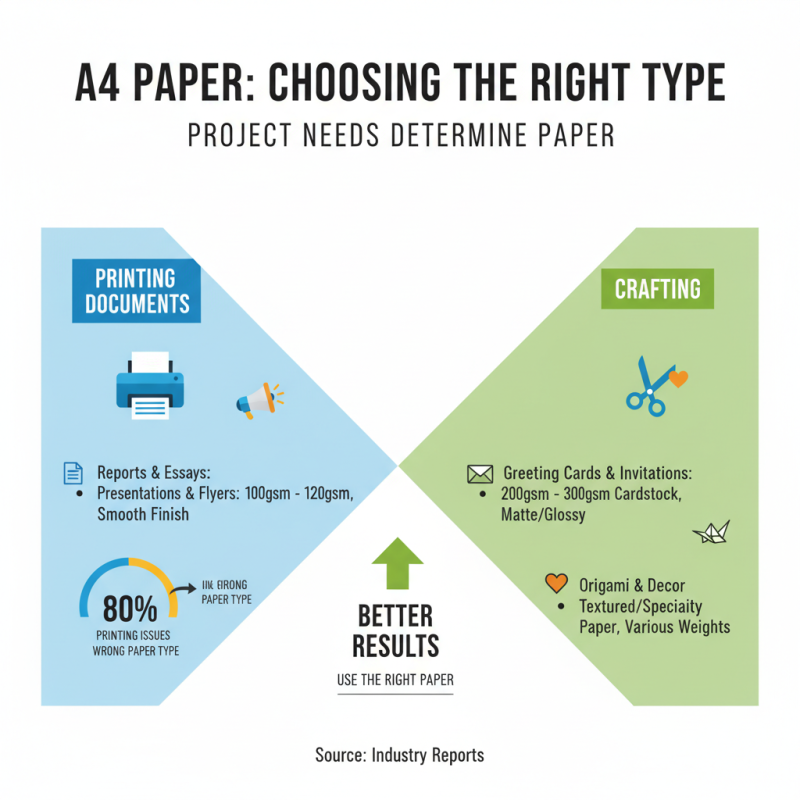
When choosing A4 paper for printing and crafting, project needs play a crucial role. Understanding the purpose of your project is essential. For instance, printing documents requires different paper than crafting greeting cards. According to industry reports, about 80% of printing issues stem from using the wrong paper type. Right paper affects the end result significantly.
Consider the weight of the paper. Heavier paper, such as 120gsm, is ideal for professional documents. It provides sturdiness and a premium feel. Lighter paper around 80gsm suits everyday printing tasks. However, using lightweight paper for high-quality images can lead to disappointments. The color and brightness also matter. Reports indicate that brighter, whiter papers enhance image quality by 30%. This is vital for photography projects.
When crafting, texture can add depth. Smooth paper works well for detailed printing, while textured paper enhances creativity. However, experimentation is key. A common mistake is overestimating the paper’s compatibility with ink types. Not all papers hold ink well. Research shows that using appropriate ink and paper combinations reduces print fading by 40%. Choose wisely, and don’t hesitate to test different options. It’s part of the learning process.