Top 10 Benefits of Using Recycled Paper for Your Business?
In today's environmentally conscious business landscape, using recycled paper is becoming essential. Industry expert Dr. Emily Carter states, "Recycled paper is not just a choice; it’s a responsibility." This highlights the importance of integrating sustainable practices into business operations.
Recycled paper offers numerous advantages. It reduces landfill waste and conserves natural resources. Additionally, utilizing recycled materials can enhance a company's brand image. Many customers prefer businesses that prioritize sustainability.
However, some may question the quality of recycled paper. Concerns about performance and durability linger. Yet, advancements in technology have significantly improved its reliability. Businesses should embrace recycled paper, despite minor hurdles, as the benefits far outweigh the drawbacks.
Benefits of Reduced Environmental Impact in Using Recycled Paper
The use of recycled paper significantly reduces environmental impact. Studies reveal that recycling one ton of paper saves approximately 17 trees. This statistic highlights how adopting recycled paper contributes to deforestation reduction. Each tree that remains standing plays a crucial role in carbon absorption.
Moreover, producing recycled paper uses about 70% less energy compared to making paper from virgin fibers. According to the U.S. Environmental Protection Agency, this energy saving translates to decreased greenhouse gas emissions. Businesses can contribute to cleaner air and a healthier planet by switching to recycled options.
Water conservation is another vital benefit. It takes around 24,000 gallons of water to produce just one ton of new paper. In contrast, recycled paper production uses nearly half that amount. Less water usage in production means that businesses can play a part in preserving this precious resource. However, it's essential to acknowledge that not all recycled paper is created equal. Some products may still rely on harmful chemicals, necessitating careful selection.
Cost Savings and Financial Benefits of Incorporating Recycled Paper
Incorporating recycled paper into business operations can lead to significant cost savings. Research shows that businesses can save up to 50% on paper costs compared to using virgin paper. This is largely due to lower production expenses associated with recycled materials. Recycled paper often costs less, especially when bulk purchasing is involved.
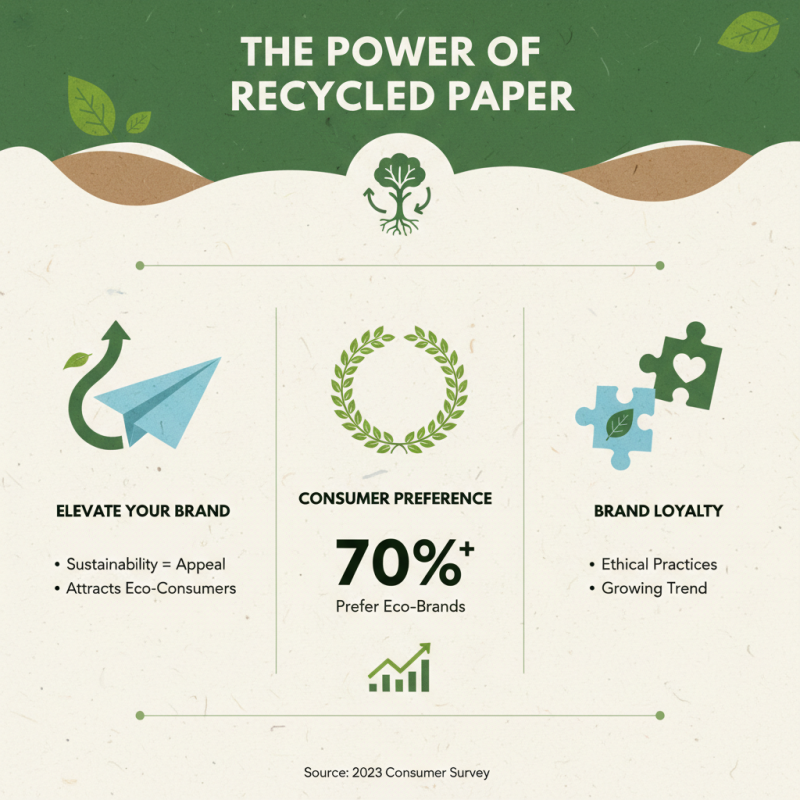
Moreover, companies that adopt recycled paper are increasingly seen as eco-friendly. A survey by the Paper and Packaging Board revealed that 70% of consumers prefer to buy from brands that demonstrate sustainability. This consumer preference can enhance brand loyalty and drive sales. Additionally, using recycled paper can reduce waste disposal costs. Businesses can lower their waste bills by cutting down on the amount of waste sent to landfills.
It's important to note that while the initial perception might be that recycled paper is of lower quality, advancements in technology have improved the quality significantly. However, some companies may face challenges in sourcing consistent quality. It's a learning curve. Evaluating suppliers and testing materials can help businesses overcome this hurdle. Balancing costs and quality remains essential in making the switch to recycled paper.
Top 10 Benefits of Using Recycled Paper for Your Business
| Benefit |
Description |
Financial Impact |
| Cost Savings |
Using recycled paper often costs less than virgin paper. |
Up to 30% savings on paper costs. |
| Waste Reduction |
Reduces landfill waste and enhances recycling efforts. |
Savings on waste disposal fees. |
| Energy Efficiency |
Production of recycled paper consumes less energy. |
Cost savings on energy bills. |
| Water Conservation |
Recycled paper manufacturing uses significantly less water. |
Reduction in water utility costs. |
| Tax Incentives |
Many regions offer tax breaks for using sustainable materials. |
Potential for significant tax savings. |
| Improved Brand Image |
Demonstrates commitment to sustainability to consumers. |
Can increase customer loyalty and sales. |
| Enhanced Employee Morale |
Employees feel better working for eco-conscious businesses. |
Reduction in turnover rates and training costs. |
| Regulatory Compliance |
Helps in meeting environmental regulations. |
Avoids potential fines and penalties. |
| Market Differentiation |
Using recycled materials can set a business apart. |
Potential for increased market share. |
| Long-term Sustainability |
Promotes a sustainable business model. |
Long-term cost benefits and stability. |
Enhancing Brand Image and Corporate Social Responsibility with Recycled Paper
Using recycled paper can significantly elevate a company's brand image. Businesses embracing sustainability often attract eco-conscious consumers. In fact, surveys show that over 70% of consumers prefer brands that demonstrate environmental responsibility. This preference reflects a growing trend in brand loyalty tied to ethical practices.
Incorporating recycled paper not only looks good but feels good. Companies using recycled materials report increased employee morale. A study revealed that 60% of workers feel more committed when their employer prioritizes sustainability. However, some businesses still hesitate. Transitioning to recycled products may seem costly initially. Yet, organizations can often save money in the long run by reducing waste disposal costs.
While the benefits are clear, the journey is not without challenges. Sourcing quality recycled paper can be inconsistent. Some options may not match the feel of traditional paper. Companies must carefully evaluate suppliers. The right choice can make a significant difference in their corporate social responsibility initiatives. Embracing recycled paper is a step toward sustainability, but it requires ongoing commitment and reflection.
Improvement of Office Efficiency and Productivity through Recycled Paper
Recycled paper can significantly boost office efficiency and productivity. When used in daily tasks, it offers a tangible contribution to workflow improvements. For instance, fewer resources are needed for printing. This simple act leads to less time spent on document organization. Employees can find what they need easily, enabling quicker decision-making.
Moreover, using recycled paper can change the office atmosphere. It often inspires creativity compared to traditional options. Bright colors and unique textures offer visual stimulation. This can lead to new ideas and innovative problem-solving. However, it's essential to ensure that the recycled paper fits quality standards. Poor quality can hinder more than help. It’s crucial to monitor the paper's performance regularly. Some employees may still prefer standard paper.
Participation in eco-friendly practices can foster team spirit. Employees feel connected to a greater cause. Small changes can lead to pride in their work environment. Yet, resistance to change is natural. Training sessions might be needed to ease the transition. With the right approach, the increase in efficiency will be noticeable. Over time, the team can adapt and thrive.
Accessibility and Variety in Paper Products Made from Recycled Materials
Recycled paper products offer a broad range of options for businesses. From notebooks to envelopes, the variety is impressive. Many companies now provide recycled versions of traditional products. This accessibility allows businesses to choose sustainable options easily. It is simpler than ever to switch to eco-friendly materials without sacrificing quality.
However, it's worth noting that not all recycled paper is the same. Some might not meet high standards, leading to quality issues. Businesses should evaluate their options carefully. Choosing the wrong type could affect professionalism. It is essential to request samples and test the feel and durability of recycled paper products. Investigating different suppliers can reveal surprising differences in quality.
Moreover, while the selection has grown, not every recycled product meets diverse needs. Companies focused on high-quality printing might find limitations. This can lead to frustration. Balancing sustainability with functionality is a challenge businesses must navigate. They should always be prepared to revisit their choices to find the best fit for their requirements.