What Makes A3 Wood Pulp Paper Ideal for Global Buyers?
A3 Wood Pulp Paper has emerged as a leading choice for global buyers. According to the Global Paper Industry Report 2023, demand for A3 Wood Pulp Paper has increased by 15% in the last year alone. This surge can be attributed to its eco-friendly properties and versatility across various applications.
Industry expert Dr. Emily Chen noted, "A3 Wood Pulp Paper meets the highest standards, making it a preferred choice in sustainable manufacturing." This statement underlines the growing importance of sustainability in the paper industry. Buyers are increasingly prioritizing materials that minimize environmental impact, which aligns perfectly with A3 Wood Pulp Paper’s production practices.
Furthermore, this paper grade offers superior printing quality and durability. Notably, the low environmental footprint of A3 Wood Pulp Paper raises questions about sustainable sourcing practices. As the market evolves, industry leaders must reflect on balancing profitability with environmental responsibility. This ongoing challenge highlights the dynamic nature of A3 Wood Pulp Paper's supply chain and its future in global markets.
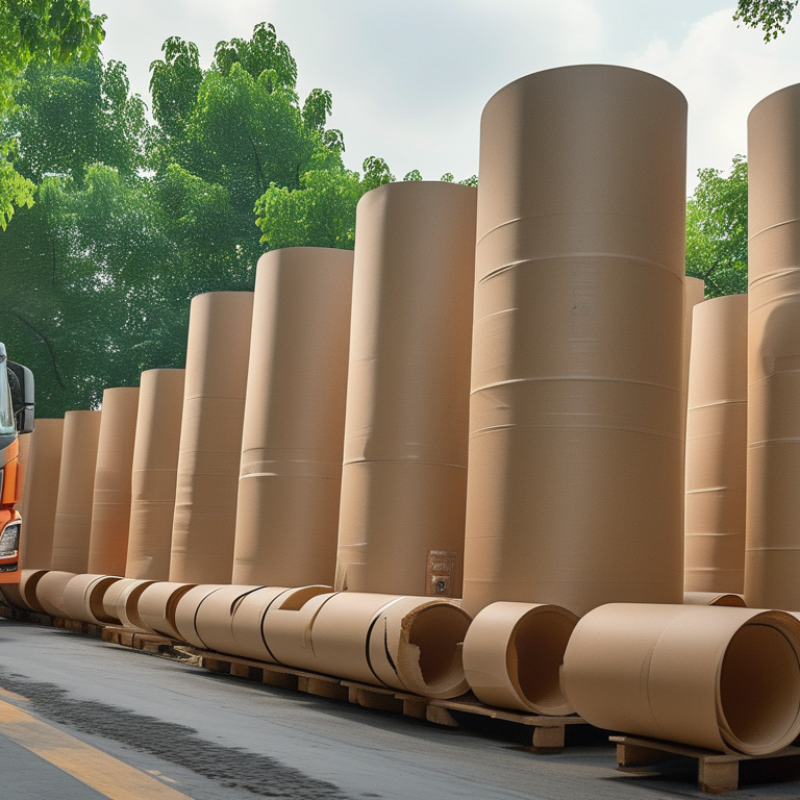
Characteristics of A3 Wood Pulp Paper and Its Production Standards
A3 wood pulp paper has gained recognition in the global market due to its exceptional characteristics and strict production standards. The paper boasts a high absorption rate, with studies showing that it can absorb up to 30% more ink than conventional paper. This quality makes it ideal for printing processes, providing vibrant colors and sharp details. The softness and smoothness of A3 wood pulp paper contribute to its appeal, offering a tactile experience that enhances its usability for various applications.
In terms of production standards, A3 wood pulp paper meets rigorous environmental and quality controls. According to industry reports, over 85% of A3 pulp production is derived from sustainably managed forests. This commitment to sustainability is backed by certifications from authoritative organizations, reinforcing its reliability in the market. However, the production process is not without challenges. Issues such as inconsistent raw material quality and fluctuations in supply chain logistics can affect product availability. These factors will require continuous monitoring and improvement efforts in the industry.
Overall, A3 wood pulp paper stands out for its technical qualities and adherence to high production standards. It exemplifies the intersection of quality and responsibility in the paper industry, making it a preferred choice for discerning global buyers.
Global Market Demand for A3 Wood Pulp Paper: Trends and Statistics
The global market for A3 wood pulp paper shows significant trends that appeal to buyers. Recent statistics indicate a steady increase in demand, driven by the rising popularity of eco-friendly products. Consumers are becoming more aware of sustainable practices, which boosts the appeal of A3 wood pulp paper.
This type of paper is favored for its versatility. It caters to various applications, from educational materials to professional documents. The smooth texture enhances print quality, making it attractive for businesses. Buyers appreciate the balance of cost and quality, which keeps this product relevant despite a competitive market.
However, fluctuations in supply can be problematic. Resource management must be addressed to sustain production levels. Some buyers have expressed concerns over sourcing reliability. The growing awareness of environmental issues also brings pressure for responsible sourcing. These challenges highlight the need for continuous improvement in the industry.
What Makes A3 Wood Pulp Paper Ideal for Global Buyers? - Global Market Demand for A3 Wood Pulp Paper: Trends and Statistics
| Region |
Market Share (%) |
Expected Growth Rate (2023-2028) (%) |
Average Price (USD/ton) |
| North America |
25 |
3.5 |
700 |
| Europe |
30 |
4.2 |
720 |
| Asia-Pacific |
35 |
5.0 |
650 |
| Latin America |
5 |
2.8 |
680 |
| Middle East & Africa |
5 |
3.0 |
700 |
Sustainability Benefits of A3 Wood Pulp Paper in Eco-Friendly Packaging
A3 wood pulp paper stands out for its strong sustainability benefits, making it a favored choice for eco-friendly packaging. This paper type is produced using responsibly sourced wood, ensuring minimal environmental impact. By using sustainable forestry practices, we can help preserve biodiversity and maintain healthy ecosystems. This is crucial in today's world, where deforestation is a significant concern.
Beyond sourcing, A3 wood pulp paper is biodegradable. Unlike synthetic materials, it decomposes naturally, reducing landfill waste. Businesses that switch to this paper can significantly lower their carbon footprint. Many customers appreciate the transparency of sustainability claims, especially when the production process is responsibly managed. However, it's essential to recognize that not all A3 paper is created equal. Some products may still have a limited environmental impact, depending on their manufacturing processes.
Moreover, while A3 wood pulp paper offers admirable qualities, it’s not without its flaws. The industry sometimes grapples with the balance between high demand and sustainable practices. This inconsistency can lead to skepticism among consumers. It prompts a necessary reflection on how we can enhance transparency in sourcing and production. Ultimately, commitment to sustainability requires continuous improvement and diligent oversight.
Cost-Effectiveness of A3 Wood Pulp Paper Compared to Alternative Papers
A3 wood pulp paper stands out in today's competitive market due to its cost-effectiveness. When compared to standard alternatives, A3 paper offers competitive pricing without sacrificing quality. Many buyers appreciate how it maintains durability and brightness over time. This is particularly important for large-volume orders, where every bit of savings counts.
Economically, A3 wood pulp paper can significantly reduce overall costs for businesses. Users often notice that this type of paper requires less ink for printing, leading to lower operational expenses. However, some might question its environmental impact. Sustainable sourcing practices are vital. Choosing responsibly sourced wood pulp can be a challenge.
While A3 paper offers many advantages, it’s essential to weigh the pros and cons. Not every production batch achieves the same quality. Buyers need to verify the paper’s specifications to ensure it meets their needs. Consistency can sometimes vary, so transparency from suppliers is important. Understanding these factors can lead to better purchasing decisions.
Applications of A3 Wood Pulp Paper in Various Industries and Their Impact
A3 wood pulp paper is increasingly sought after in various sectors due to its versatility. The paper industry is expected to grow at a rate of 2.4% annually, reaching an estimated value of $500 billion by 2025. This paper type is crucial in packaging, printing, and writing materials. Its properties, such as brightness and smoothness, make it ideal for high-quality printing.
The packaging industry is a significant consumer of A3 wood pulp paper. In recent years, the demand for sustainable packaging solutions has surged. According to the Paper and Packaging Board, almost 85% of consumers prefer products with sustainable packaging. A3 wood pulp paper, being eco-friendly, meets this demand effectively. Its strength and durability contribute to better protection of goods during transport.
Moreover, the educational sector utilizes A3 wood pulp paper extensively. Schools and colleges depend on high-quality paper for their learning materials. However, there are concerns about sustainability. The production process must be continually improved to minimize the environmental footprint. Balancing quality and sustainability remains a challenge for manufacturers.
Applications of A3 Wood Pulp Paper in Various Industries
A3 wood pulp paper plays a crucial role across various industries due to its versatility and quality. This chart illustrates the demand for A3 wood pulp paper in different applications, highlighting its significance in sectors like packaging, printing, and tissue production.